
Last updated November 21, 2026
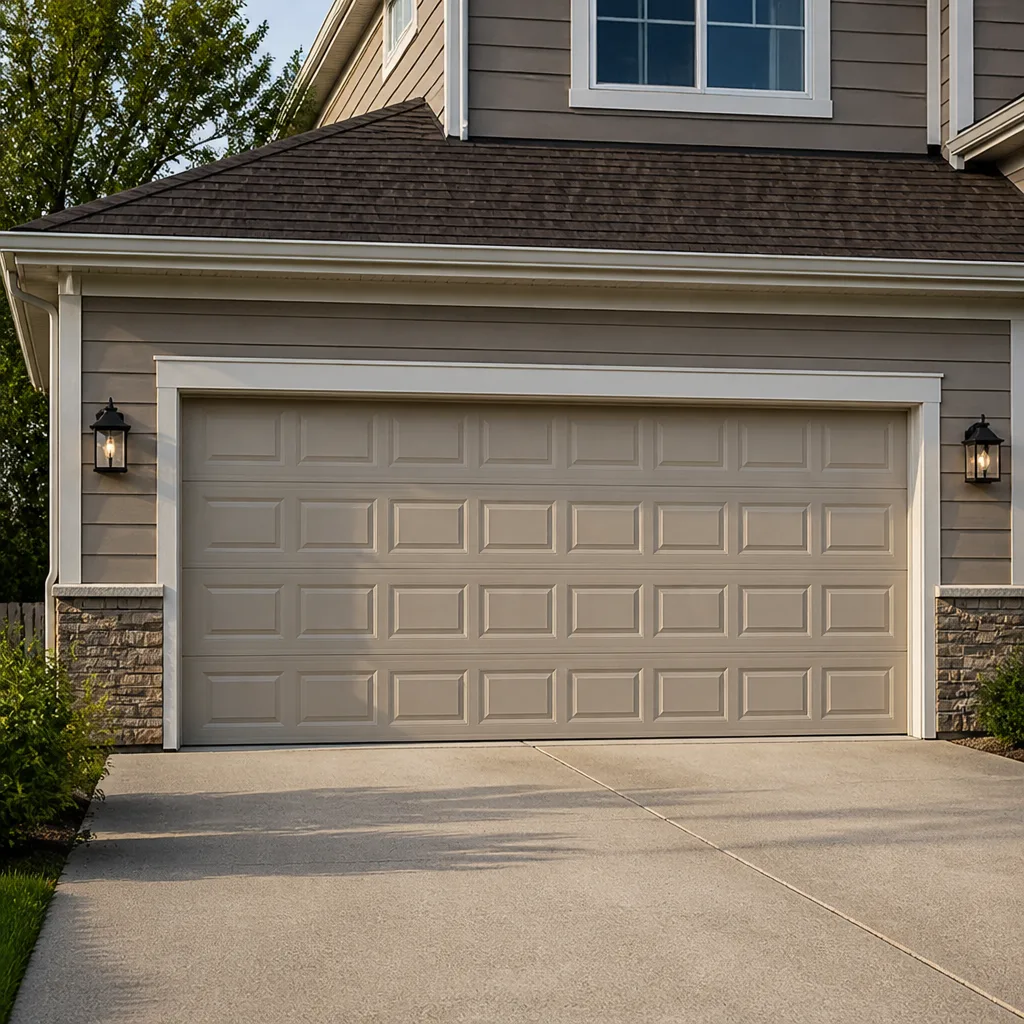 Raised-panel steel
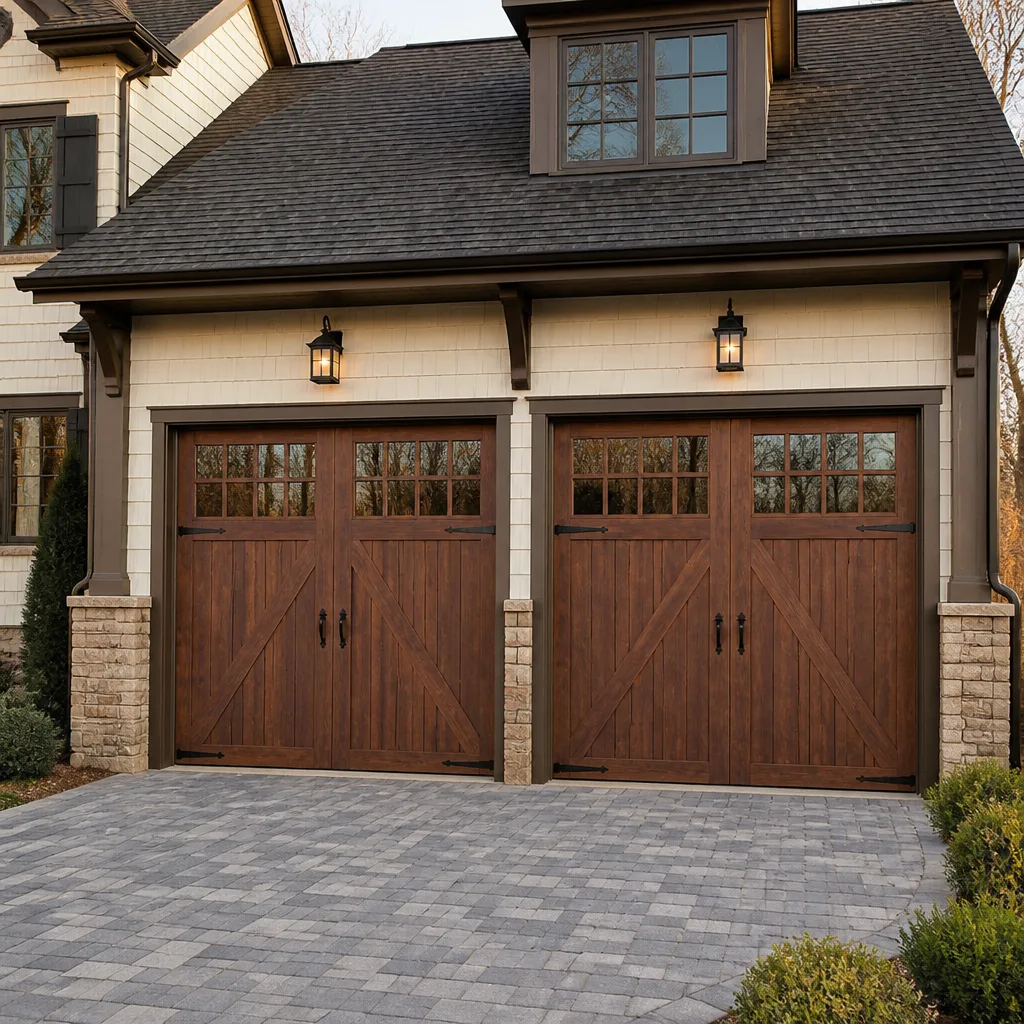 Carriage house
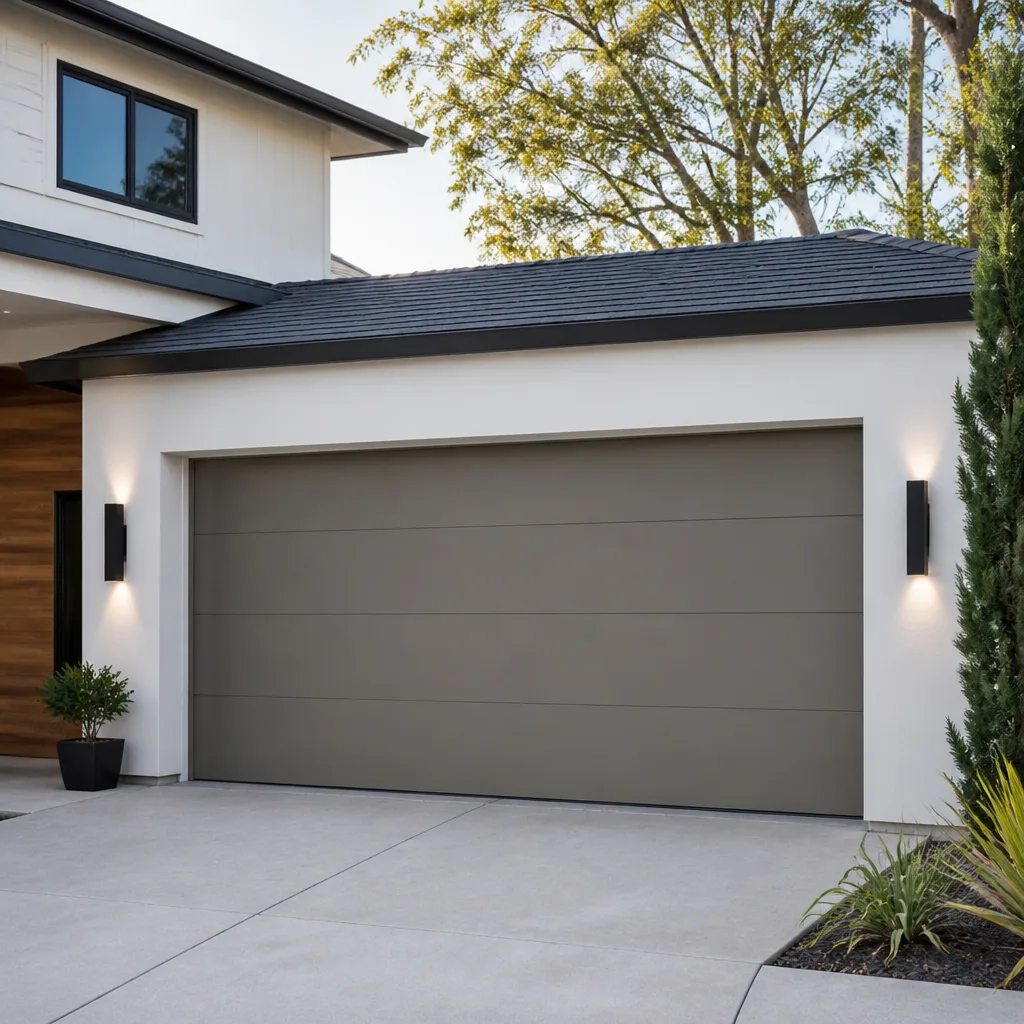 Modern flush
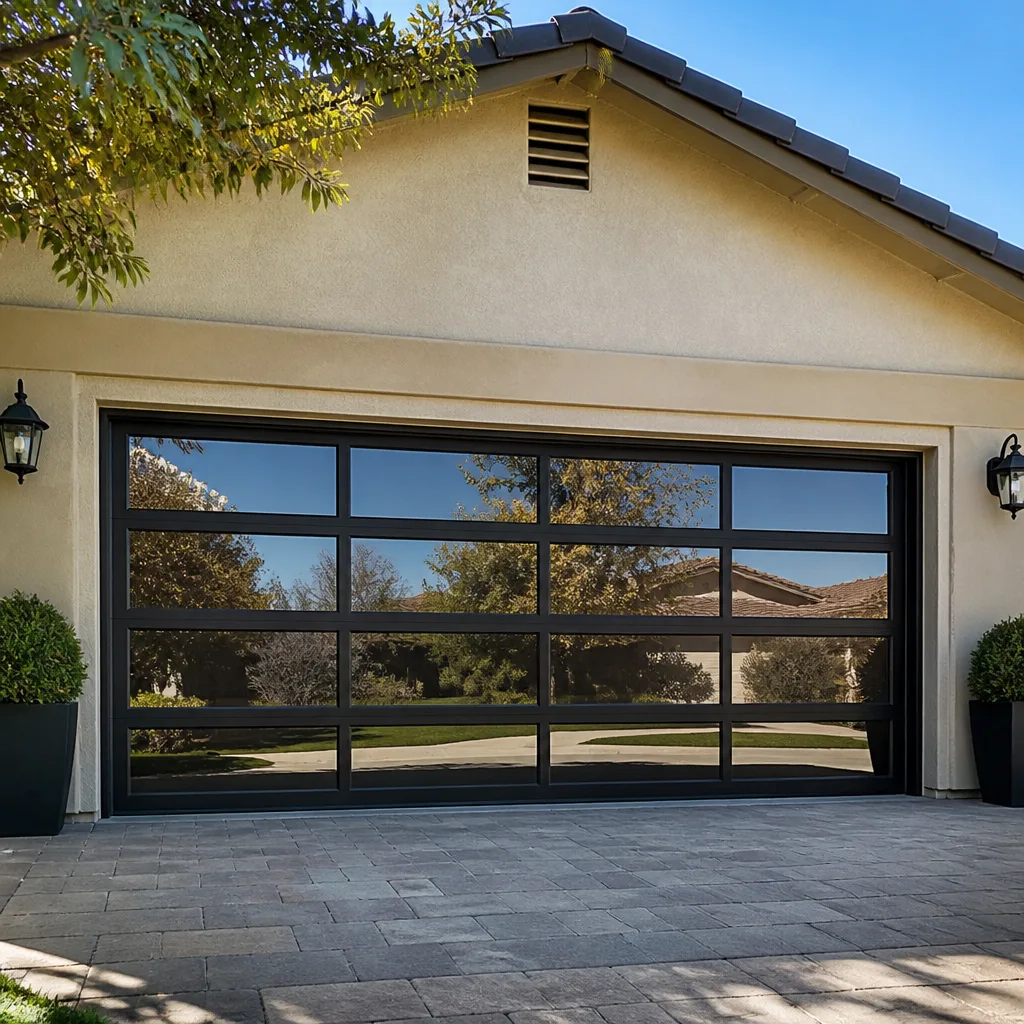 Full-view glass
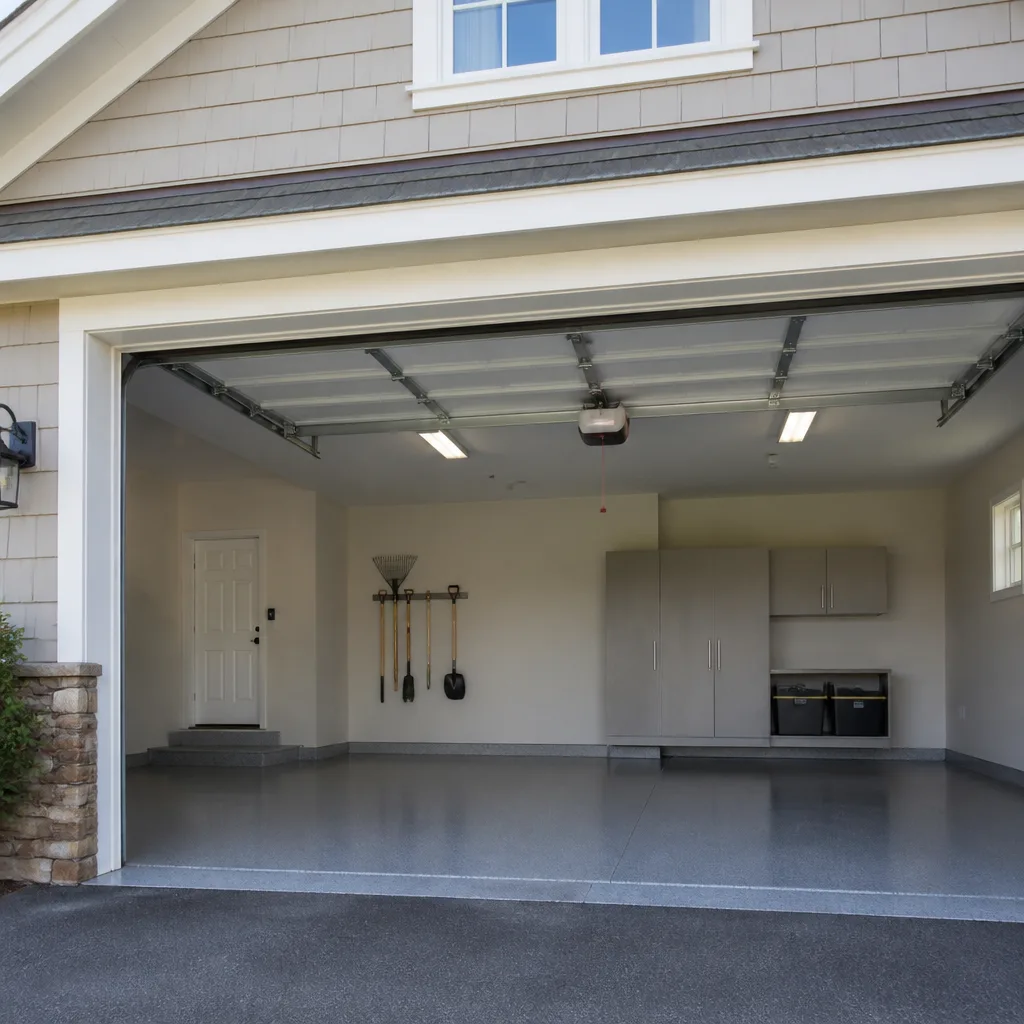 LiftMaster openers
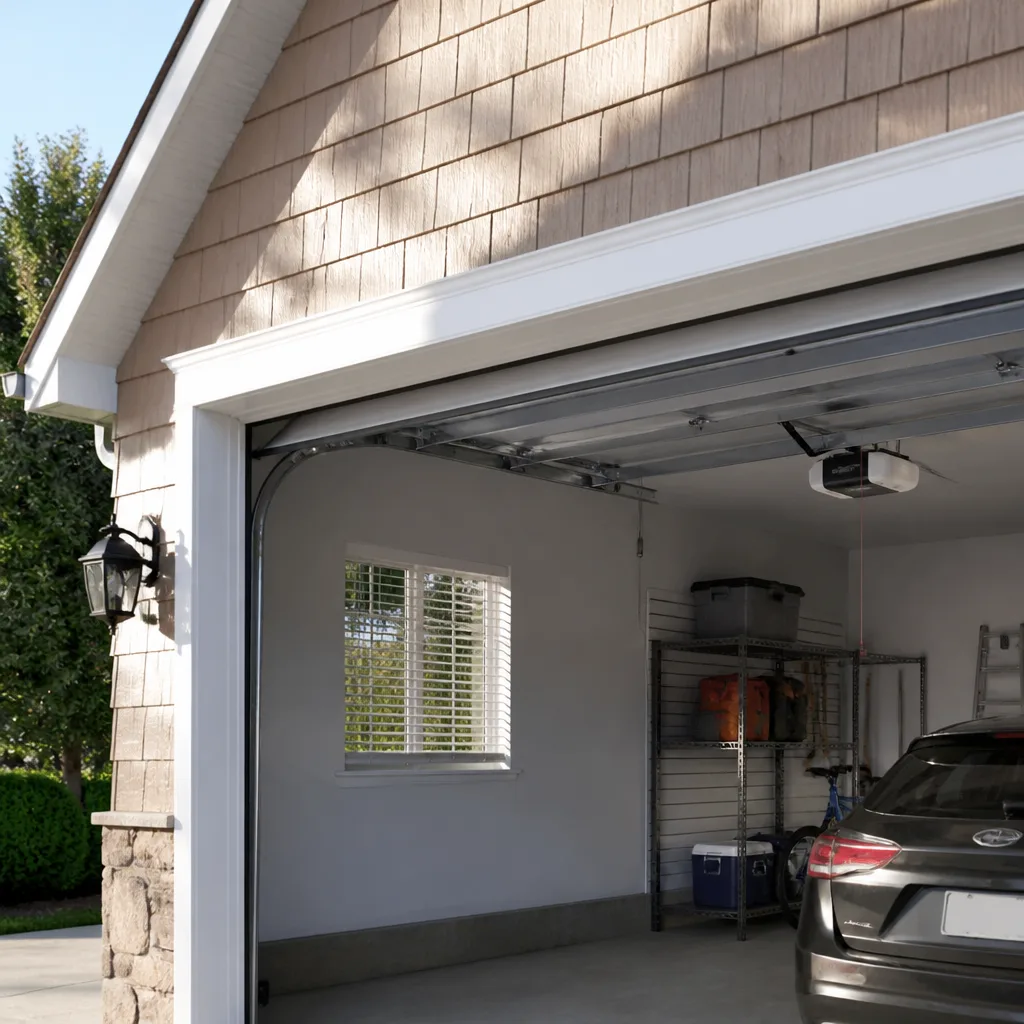 Chamberlain openers
Full 25-point door and opener safety check with every visit - springs, cables, rollers, tracks, and your LiftMaster or Chamberlain opener included
You get a price before we start. It does not change when the pro arrives.
Get your free estimateGarage Door Repair Maintenance Checklist for Richmond Hill Homeowners
Most garage door failures don’t announce themselves. They build slowly over weeks, and the first sign many homeowners notice is the door refusing to open. By then, a small adjustment has usually become a full repair. We’ve put together this checklist in the order a technician actually inspects a door: springs and cables first, then balance and safety systems, and cosmetic items last. If something is going to fail, it’s almost always near the top of this list. Work through it in Richmond Hill and you’ll catch the expensive problems while they’re still cheap.
Styles & brands we work with
- Raised-panel steel
- Carriage house
- Modern flush
- Full-view glass
- LiftMaster openers
- Chamberlain openers
Quick Answer
A garage door maintenance checklist should follow failure probability, not convenience. Start with springs and cables, then test door balance, force resistance, and auto-reverse function, and finish with tracks, rollers, hinges, and weather seals. Most of these checks take under 20 minutes with no tools, and catching a worn spring or a sticky track early is far less expensive than a full replacement.
Table of Contents
- Why This Checklist Is Sequenced by Failure Probability
- Step 1: Springs and Cables (The Highest-Risk Components)
- Step 2: The Door Balance Test
- Step 3: Force Resistance and Auto-Reverse Tests
- Step 4: Tracks, Rollers, and Hinges
- Step 5: Lubrication Done Right (and What Not to Use)
- Step 6: Seasonal Adjustments for Richmond Hill’s Humidity and Freeze-Thaw Cycles
- Red-Line Items: When to Stop Using the Door
- Common Mistakes to Avoid
- When to Call a Professional
- Frequently Asked Questions
Why This Checklist Is Sequenced by Failure Probability
Most maintenance lists are built around what’s easiest to check or photograph. That’s backwards. Garage doors are mechanical systems with predictable failure points, and the components that fail most often are also the ones that cause the most damage when they do.
Springs carry the full weight of the door. They cycle every time someone opens or closes it, and they wear out long before anything else on the system. Cables and drums are second in line. Balances and safety reversal systems are third. Tracks, rollers, and hinges last. Cosmetic items, like paint and panel scratches, aren’t a maintenance concern at all in the sense that matters here.
When we train technicians, we teach them to inspect in this exact order: springs and cables first, then balance, then safety systems, then the mechanical hardware. That’s not a preference. It’s the order that surfaces real problems fastest. A Richmond Hill homeowner with a 20-minute window is far better off checking their springs than their door panels.
The same logic applies to the trade itself. A general handyman may decline to touch springs at all, which means if you’re checking your door top-down, you’re checking the parts most likely to fail with the least expertise. Knowing this order changes what “maintenance” actually means. For any of these steps that turn up something serious, our Garage Door Repair Richmond Hill team can take the inspection from there.
Step 1: Springs and Cables (The Highest-Risk Components)
Springs are the most dangerous component on any residential garage door. Torsion springs, the most common type on modern doors, store enough energy to cause serious injury if they release unexpectedly. That’s why we say springs aren’t a DIY fix. Here’s what you can safely check:
- Visual inspection from a distance. Look at the torsion spring above the door. A visible gap in the coil, a stretch mark, or a gap of more than half an inch usually means the spring has failed or is about to.
- Listen. A loud bang from the garage, often followed by a door that won’t lift, is the classic signature of a broken torsion spring. If you hear this, stop using the door.
- Check the cables. The cables on either side of the door should be straight and taut, with no fraying, kinks, or slack. A slack cable is a red-line item.
- Look at the drums. The drums at the top corners of the door should be clean and free of cable overlap. Cables wound unevenly are a sign the system is out of balance.
What you shouldn’t do is try to adjust, tension, or replace a spring yourself. The tools required, the amount of stored energy in a wound spring, and the risk of release make this work that belongs with trained technicians. We handle spring repair as a core service precisely because so many homeowners get turned away by generalists who won’t touch it. If your Richmond Hill door fails this first check, call before you do anything else.
Step 2: The Door Balance Test
A balanced door should stay put at any point in its travel. If it drifts, the springs, cables, or opener are compensating for something they shouldn’t be.
- Disconnect the opener. Pull the manual release cord so the door is running only on its springs and tracks.
- Lift the door to about halfway open by hand. It should move with steady resistance, not easily, and not with a fight.
- Let go at the halfway point. A balanced door holds its position. A door that sags down or rises up is out of balance.
- Repeat at the quarter-open and three-quarter-open positions. Consistency matters as much as the halfway result.
- Reconnect the opener before using the door normally.
An out-of-balance door is telling you the springs are losing tension or have been adjusted incorrectly. It’s a symptom, not the problem itself. Continuing to use it will accelerate wear on the opener motor, which is now doing work the springs should be doing. If your door fails the balance test, we’d handle this as a spring or cable diagnostic rather than adjust the opener to compensate.
Step 3: Force Resistance and Auto-Reverse Tests
The auto-reverse system is the single most important safety feature on your door. It’s also the one most likely to be out of adjustment without anyone noticing. Every garage door opener sold since 1993 has been required to include a contact-reversal system and a non-contact reversal system. Testing both is part of a proper maintenance routine.
The 2×4 Test (Mechanical Reversal)
Lay a 2×4 flat on the ground directly under the middle of the closing door. Close the door using the opener. When the door contacts the wood, it should reverse direction immediately and return to the open position. If the door presses against the wood and stops, the sensitivity setting needs adjustment.
The Photo-Eye Test (Non-Contact Reversal)
With the door fully open, wave an object in front of one of the two small photo-eye sensors mounted near the floor. The door should not close while the beam is interrupted. If it does, either the sensors are misaligned or they’ve failed and need replacement.
The Force Resistance Test
With the door about a third of the way from fully closed, press upward on the door’s bottom edge as it’s closing. The door should reverse. If it doesn’t, the force-limiting setting is too high and the opener is using too much downward pressure.
All three tests should take under five minutes. On modern openers from LiftMaster or Chamberlain, the sensitivity and force settings are usually adjusted with a screw or dial on the back of the opener head. On older Genie or Craftsman units, they may be under a panel cover. If you’re not sure how to adjust yours, that’s a good moment to bring in an opener specialist, or explore garage door opener repair.
Step 4: Tracks, Rollers, and Hinges
By the time you reach this step, you’ve already ruled out the expensive, dangerous problems. Tracks, rollers, and hinges are the low-risk items, but they still account for plenty of calls because a bent track or worn roller can throw the whole door off track.
- Tracks. Run a hand along the inside of each vertical and horizontal track. They should feel smooth and straight, with no dents or bumps. A small dent is often fixable. A bent section usually needs replacement.
- Rollers. Rollers should turn freely in their brackets. Steel rollers may squeak but rarely fail. Nylon rollers are quieter but wear out faster. If a roller wobbles or is flat on one side, replace it.
- Hinges. Check every hinge on the door panels. Hinges should move freely with no cracks in the metal and no loose screws. A worn hinge can allow a roller to pop out of the track, which is the most common cause of a door that comes off its rails.
- Panel alignment. Close the door and stand in front of it. All four panels should align. If one is visibly sagging, the door is out of square and needs adjustment.
- Weather seals. Check the bottom seal and side seals. Cracked or missing seals let water, cold air, and insects into the garage. In Richmond Hill’s humidity, a worn bottom seal also lets moisture creep in along the floor, which causes rust on the door’s bottom section.
Tracks, rollers, and hinges are also where a homeowner’s own maintenance efforts can do real damage. If a track is bent, don’t try to bend it back while it’s still attached to the door. The force needed to straighten a track properly is more than the door frame will tolerate.
Step 5: Lubrication Done Right (and What Not to Use)
This is where we see the most common mistake in the entire routine. WD-40 is a water-displacing solvent, not a lubricant. Applied to springs and tracks, it strips away the existing grease and leaves metal surfaces dry. Springs then wear faster, tracks get stickier over time, and the door starts making more noise than before.
What to use instead:
- On springs: A small amount of a lithium- or silicone-based garage door lubricant. Apply once or twice a year, not more. Too much grease attracts grit.
- On tracks: Nothing. Tracks are meant to stay dry. If a track is binding, clean it with a damp cloth and check for a bend or debris before adding anything.
- On hinges and rollers: A few drops of garage door specific lubricant at the hinge pivots. Nylon rollers don’t need lubrication at all.
- On the opener chain or belt: Check the opener manual. Some chains need periodic lubrication, others are sealed. Belts don’t need anything.
Torsion springs on Richmond Hill doors sit above the door where no one can reach them without a ladder. If you can’t safely reach a component to lubricate it, don’t climb for it. This is one more reason we’d rather handle the spring inspection as part of a service visit than have a homeowner get up on a ladder with a spray can.
A quieter, better-running door is often the result of correct lubrication and a properly balanced spring, not a new opener. If you’re at this step and the door still shudders, the problem is up top, not in the oil.
Step 6: Seasonal Adjustments for Richmond Hill’s Humidity and Freeze-Thaw Cycles
Richmond Hill’s climate puts a specific kind of stress on garage door hardware. Summer humidity swells wood panels and rusts steel components, and winter freeze-thaw cycles move the ground under the door slab, which shifts the door’s alignment at the bottom seal.
Summer: Humidity and Rust
- Check the bottom seal for signs of moisture damage. A worn seal in a humid summer is an invitation for mold and rust on the door’s bottom section.
- Look for rust starting at the hinges and the bottom brackets. Sand and touch up small spots before they spread.
- Verify the door’s weatherstripping is still sealing against the frame. A gap of an eighth of an inch lets humid air in all summer.
- Lubricate springs and hinges once at the start of the humid season. Humidity does more to grind away existing lubricant than most homeowners expect.
Winter: Freeze-Thaw and Cold-Weather Operation
- Watch for ice at the bottom of the door. A frozen bottom seal can prevent the door from closing completely and force the opener to keep pressing. This is a common cause of a snapped opener arm.
- Test the auto-reverse function again after the first hard freeze. Cold stiffens springs and changes how much force the opener needs to reverse.
- Keep the bottom weather seal clear of snow and ice so the door can close fully and seat against the seal.
- Listen for grinding or squealing on cold mornings. Cold temperatures make unlubricated metal surfaces markedly louder.
For homeowners considering a replacement door rather than upkeep, a door with rusted sections or swollen wood panels in a Richmond Hill climate will usually cost more to maintain than to replace. We’d rather tell you that honestly than sell you lubricant for a door that’s already past it.
Red-Line Items: When to Stop Using the Door
Certain findings require you to stop using the door immediately and call for service. These aren’t the items you “keep an eye on.” They’re the items you leave alone.
- A broken spring. If you hear a loud bang from the garage or see a visible gap in the torsion spring, stop. The door will not lift safely, and the spring has stored energy waiting to release.
- A slack or frayed cable. A cable with a kink, frayed wires, or visible slack is about to fail. When a cable snaps, the door drops on one side. Stop using the door before that happens.
- Visible sag or an off-square panel. A door with a visibly sagging panel is running out of square and can come off the tracks during operation. Stop and call.
- A failed auto-reverse test. If the door won’t reverse after the 2×4 test or the photo-eye test, it’s a safety hazard. A closing door that doesn’t reverse is the most serious non-injury issue a door can have.
- A door that won’t stay up. If you need to prop the door with a ladder or board to keep it open, a spring or cable has failed. Do not stand under the door.
Any of these findings is a same-day call. Our emergency garage door service exists for exactly this situation, and it’s not a sideline. When the door won’t move, we do. We answer 24/7, with fast dispatch from 7am to 7pm.
Common Mistakes to Avoid
- Spraying WD-40 on springs and tracks. It dissolves the existing lubricant and leaves metal surfaces dry. Springs wear faster, tracks get sticky, and the door gets louder, not quieter. Use a proper garage door lubricant on springs and leave tracks dry.
- Adjusting the opener force to “fix” a heavy door. If the door feels heavy, the springs are the issue. Cranking the opener force to compensate wears out the motor and defeats the safety reversal system. On a Richmond Hill door with a balance problem, spring repair is the fix, not a force adjustment.
- Skipping the 2×4 auto-reverse test because “it worked last year.” Photo-eyes and reversal settings drift. Every door should be tested at least twice a year, and once more after the first cold snap.
- Using the door after a spring breaks and hoping it’ll reset. A broken torsion spring will not reset itself, and the door is now operating without counterbalance. Every open-and-close cycle risks damage to the opener and injury to anyone standing nearby.
- Trying to straighten a bent track while it’s still mounted. The leverage required to straighten a track usually twists the door frame. If a track is bent, we evaluate it in place and replace it if needed rather than bend it.
- Assuming any handyman can service a garage door. Spring work, opener force adjustment, and off-track doors are all work that requires garage door-specific training. Many general handymen decline spring work for good reason.
- Ignoring a slow-drifting door during a Richmond Hill humid summer. Slight sag or sluggishness in July becomes a broken spring in October if nothing’s adjusted. The balance test takes five minutes; use it before the season changes.
When to Call a Professional
Some of this checklist is work you can handle. The moment a finding lands in the red-line list, an inspection becomes a service call. That includes a broken spring, a slack or frayed cable, a door that won’t stay up, a sagging panel, or a failed auto-reverse test. It also includes a door that has come off its tracks, an opener that stays running or won’t respond, and force-resistance tests that no longer reverse the door. If you’re unsure whether something qualifies, call before using the door again. Nothing on the checklist is worth an injury.
We work on the brand already in your garage. That means technicians arrive familiar with the hardware on your door, whether it’s a LiftMaster opener, a Chamberlain wall unit, or an older Craftsman or Genie system.
Garage Door Repair Richmond Hill offers free estimates in Richmond Hill: call (833) 508-9368. We answer 24/7. Fast dispatch from 7am to 7pm, Sunday through Friday.
Frequently Asked Questions
Run the full checklist twice a year, and once more after the first cold snap. Spring and cable inspections, the balance test, and the auto-reverse tests should all happen twice. The lubrication step only needs to happen once or twice a year. Richmond Hill’s humidity and freeze-thaw cycles are the reason we recommend two full passes: one at the start of summer and one before winter. Call (833) 508-9368 if any step turns up a red-line finding.
No. Torsion springs store enough energy to cause serious injury, and winding or unwinding them requires specific tools and techniques. We handle spring repair as a core service because many general handymen won’t touch it. What you can safely do is look for visible gaps, listen for a bang, and call if the door won’t hold its position. Call (833) 508-9368 for a free estimate.
Use a lithium- or silicone-based garage door lubricant on springs, hinges, and roller pivots, and leave the tracks dry. Do not use WD-40 on springs or tracks. It’s a solvent, not a lubricant, and it strips away the existing grease. Apply lubricant once or twice a year at most. Call (833) 508-9368 if the door is still noisy after correct lubrication.
A broken torsion spring usually shows a visible gap in the coil, often at the middle. The door often has a bang associated with it, then won’t lift. On extension springs, which sit above the tracks on older doors, a broken spring looks visibly stretched or detached. Either way, stop using the door and call. Call (833) 508-9368, and we’ll confirm by phone what to do next.
Cold weather stiffens springs and thickens lubricant, which makes a door feel heavier. It’s also common in Richmond Hill once freeze-thaw cycles begin. If the door gets noticeably heavier, run the balance test and check for ice at the bottom seal. If it feels heavy for more than a few cold days, the spring may be losing tension. Call (833) 508-9368 for an estimate.
A handyman can handle the low-risk items on the checklist, like inspecting tracks and rollers or checking weather seals. Spring adjustment, cable work, and opener force settings should go to a garage door specialist. If your handyman won’t touch the springs, that’s not a limitation; it’s good judgment. Our team can take over the full checklist from any point. Call (833) 508-9368.
Most doors can be repaired. Springs, cables, openers, rollers, and hinges are all replaceable, and a stuck or off-track door is almost always fixable. Replacement usually makes more sense when several panels are rusted through, a door has structural damage from an impact, or the hardware is failing across the board. We assess both options honestly and get garage door installation moving only when it’s the smarter investment. Call (833) 508-9368 for a free estimate.
The Bottom Line
A garage door maintenance checklist is only useful if it’s ordered by what actually fails first. Springs and cables come first, then balance and safety systems, then tracks and hardware. Run the checks twice a year, before summer humidity and before the first freeze in Richmond Hill. Keep WD-40 off the springs. Watch for the five red-line findings and stop using the door the moment one shows up. Everything on this list is faster and cheaper than a failed spring or an off-track door. For any step that turns serious, garage door repair is one call away.
Call (833) 508-9368 for a free estimate. We answer 24/7. Fast dispatch from 7am to 7pm, Sunday through Friday. Whether it’s an inspection, a spring repair, or a plan for a new door, we can walk through it with you and give you a written price before any work starts.
Written by the team at Garage Door Repair Richmond Hill.
See the difference
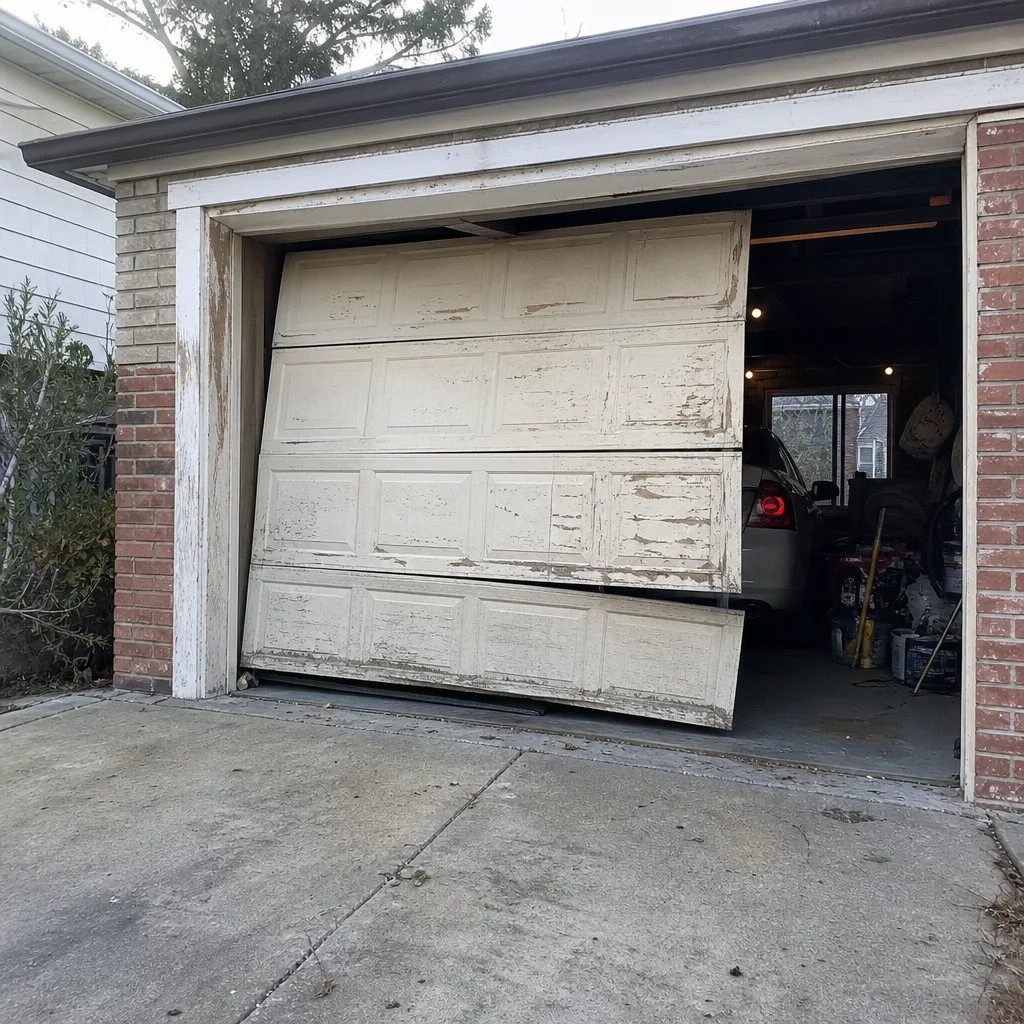 Before
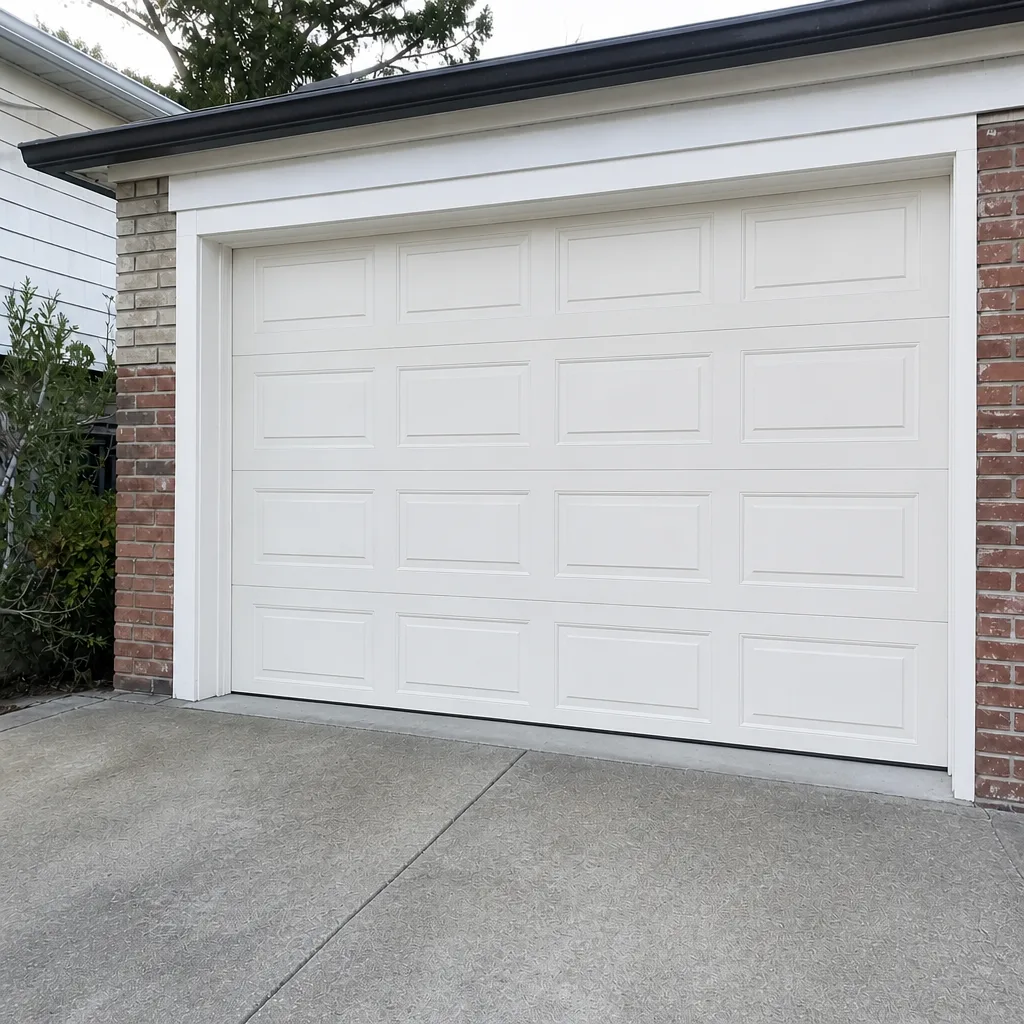 After
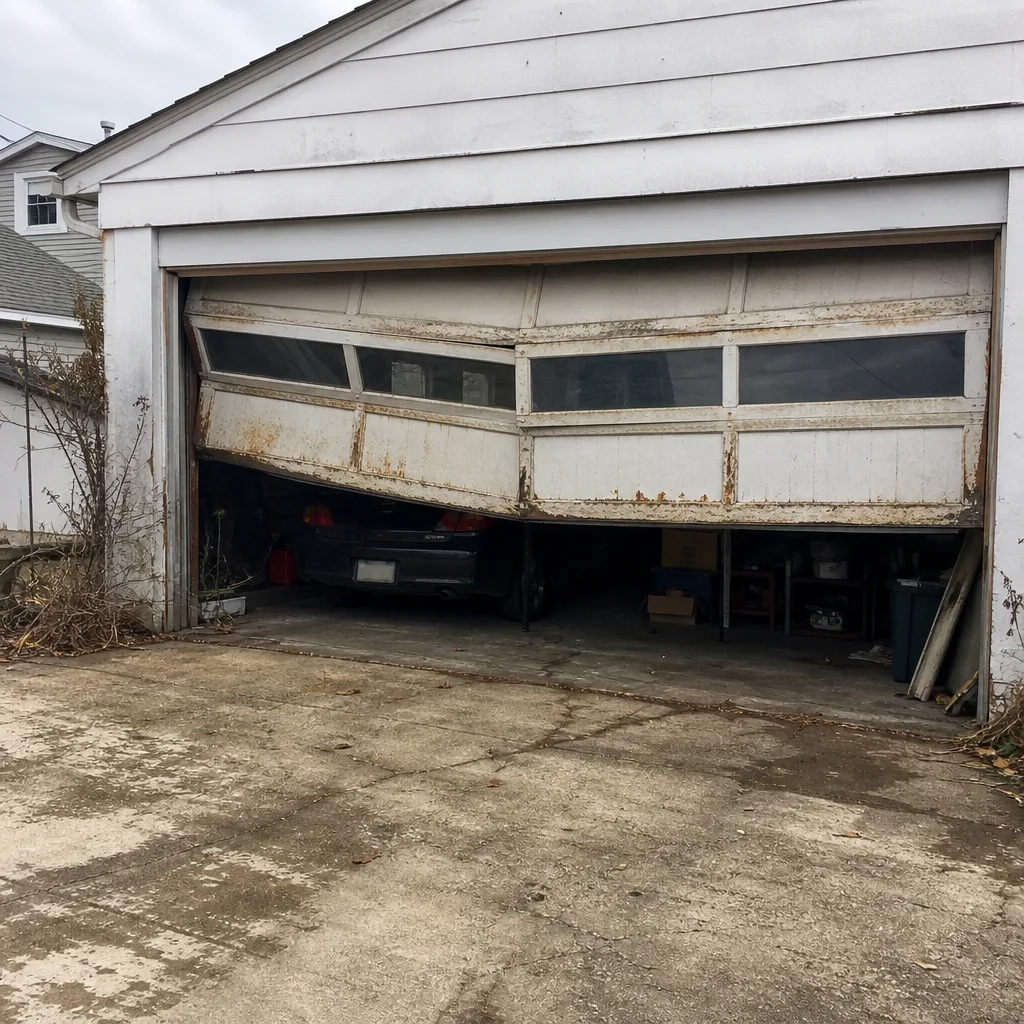 Before
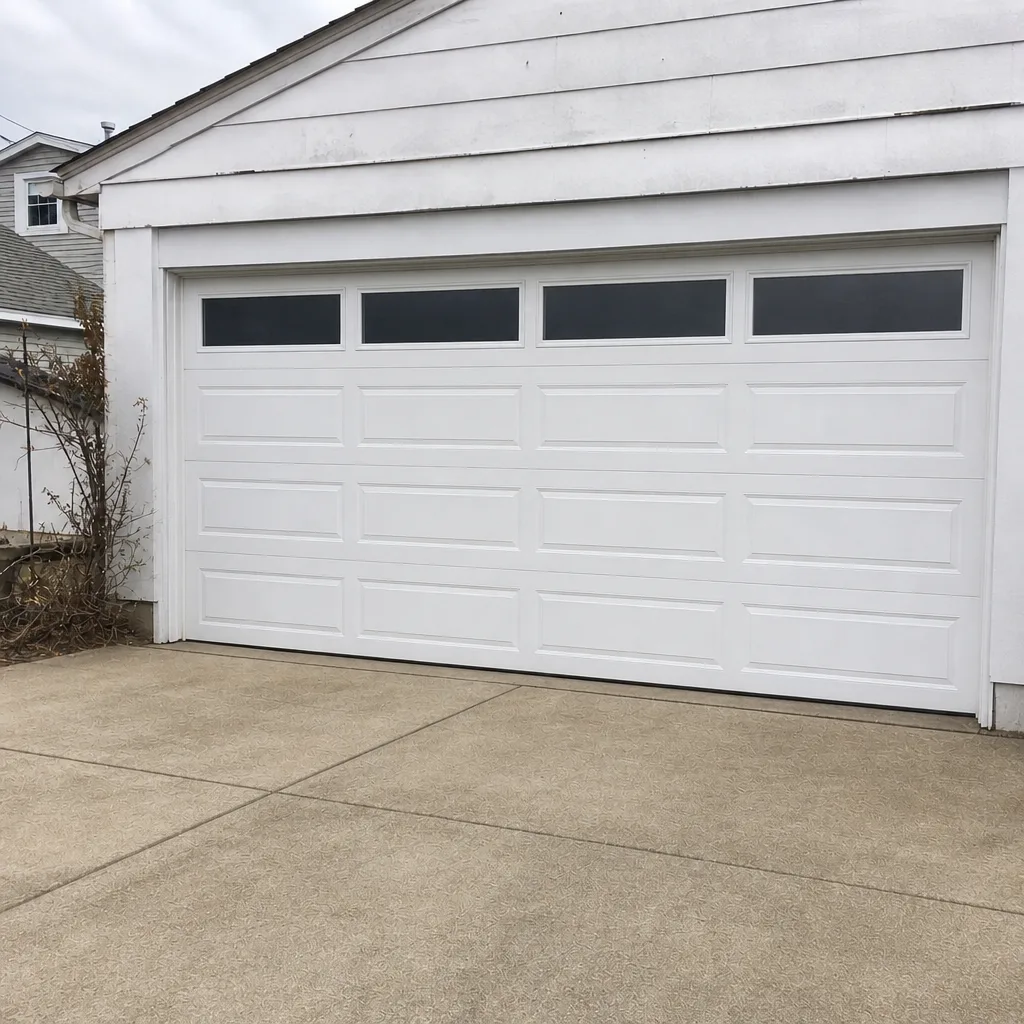 After
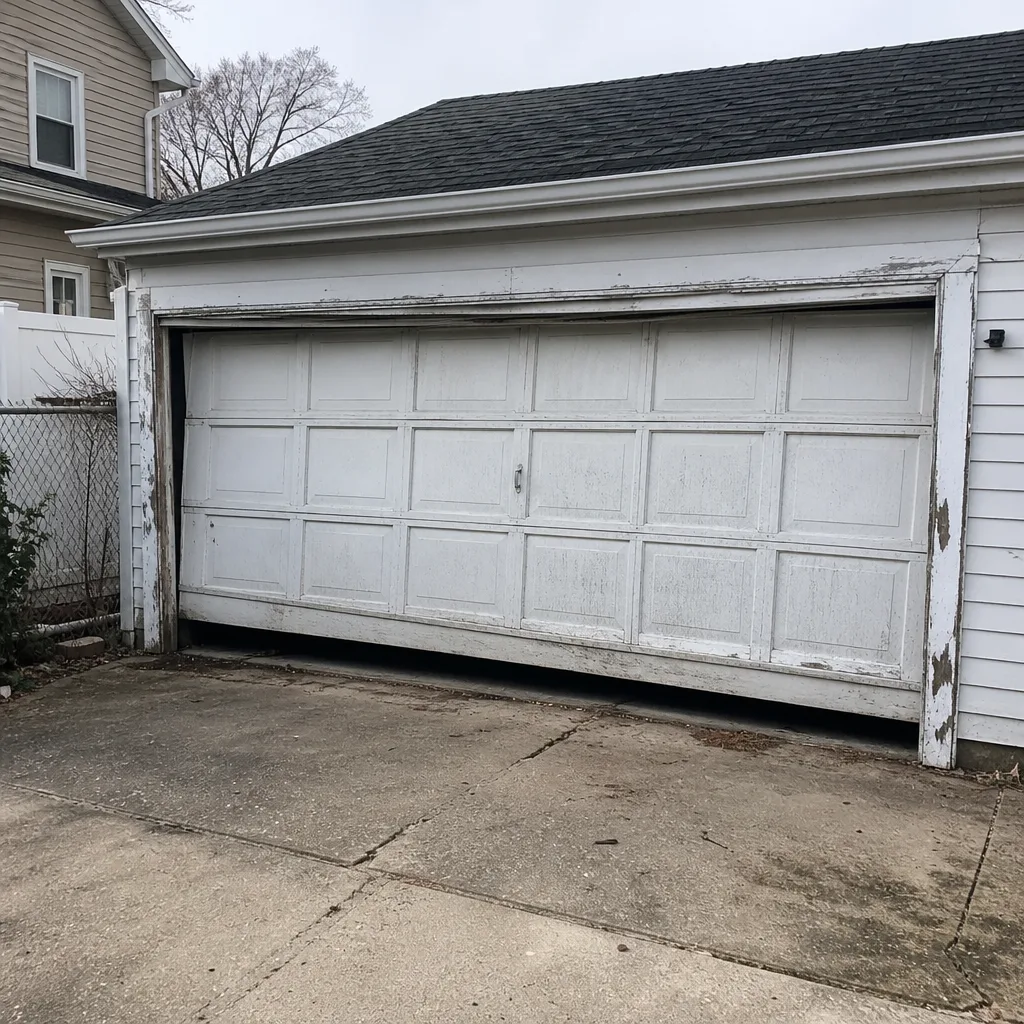 Before
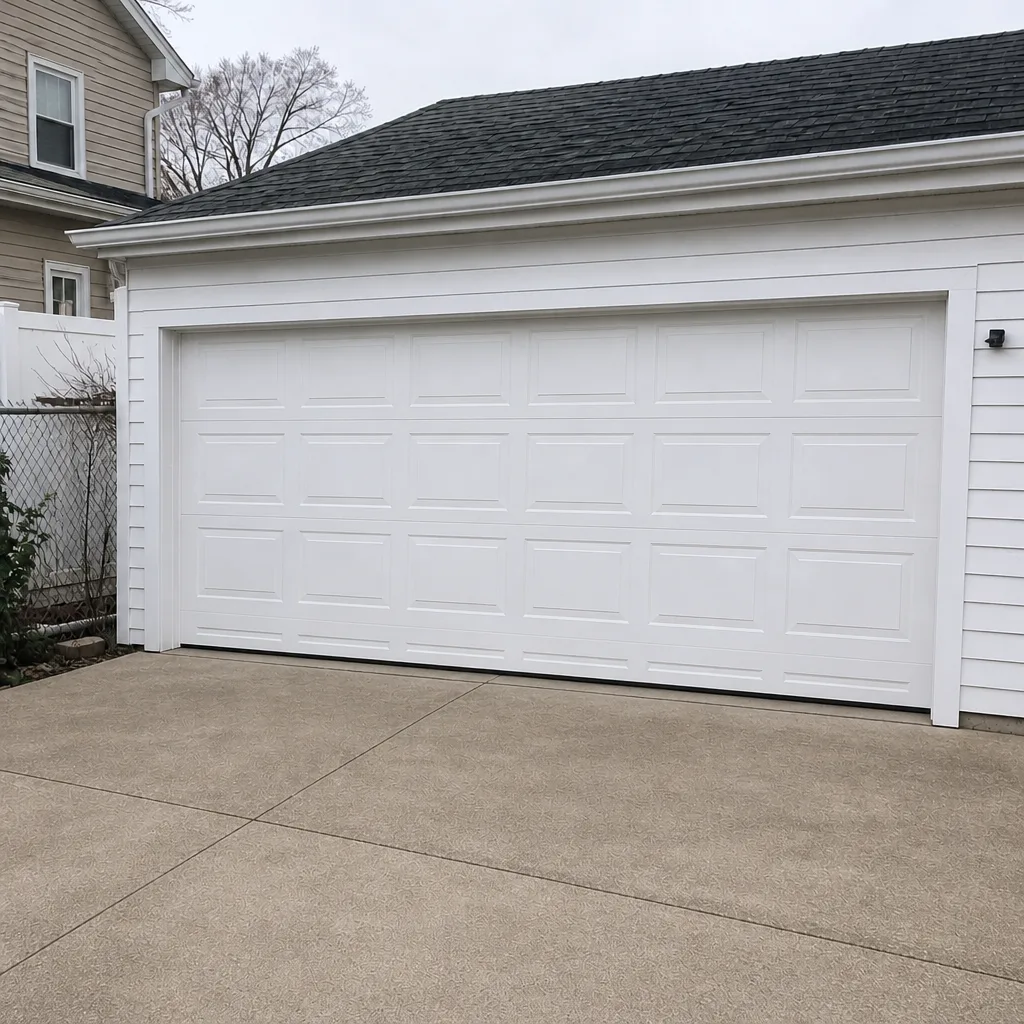 After