
Last updated November 21, 2026
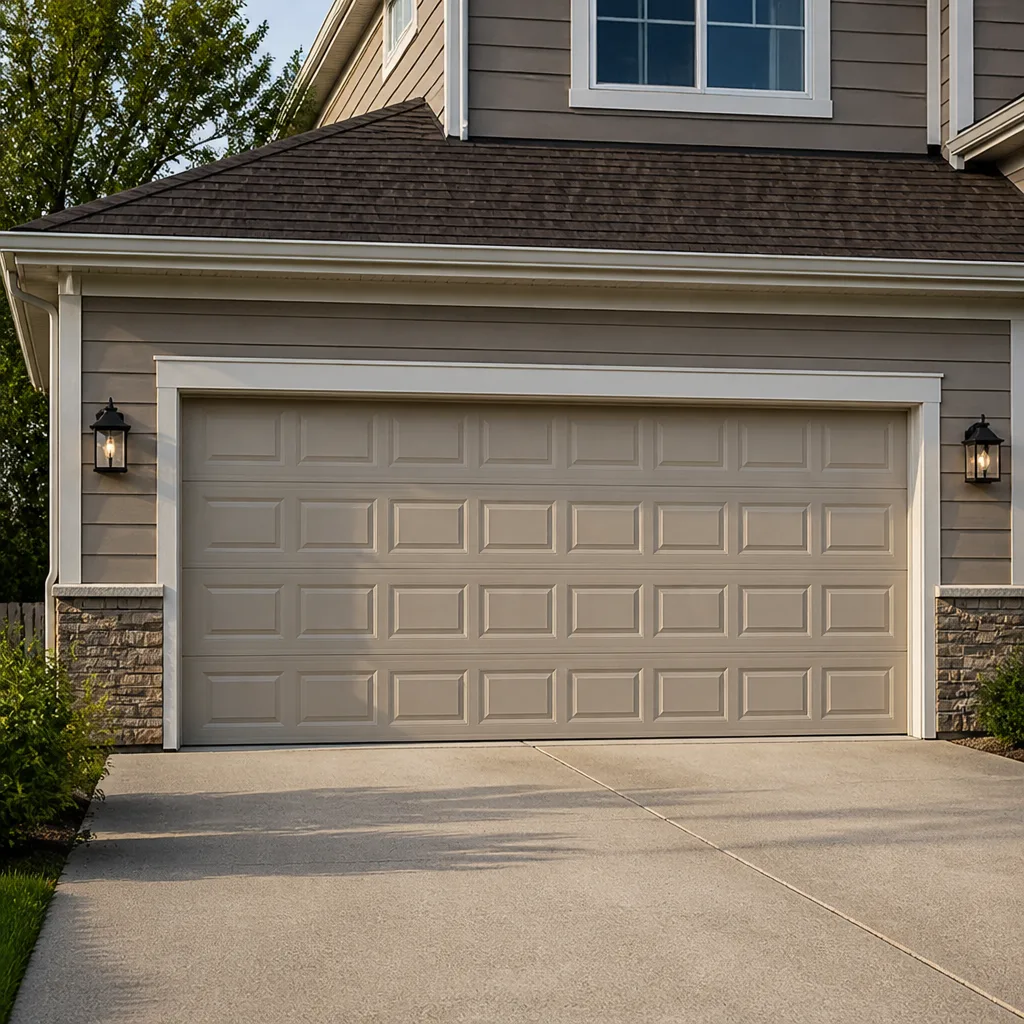 Raised-panel steel
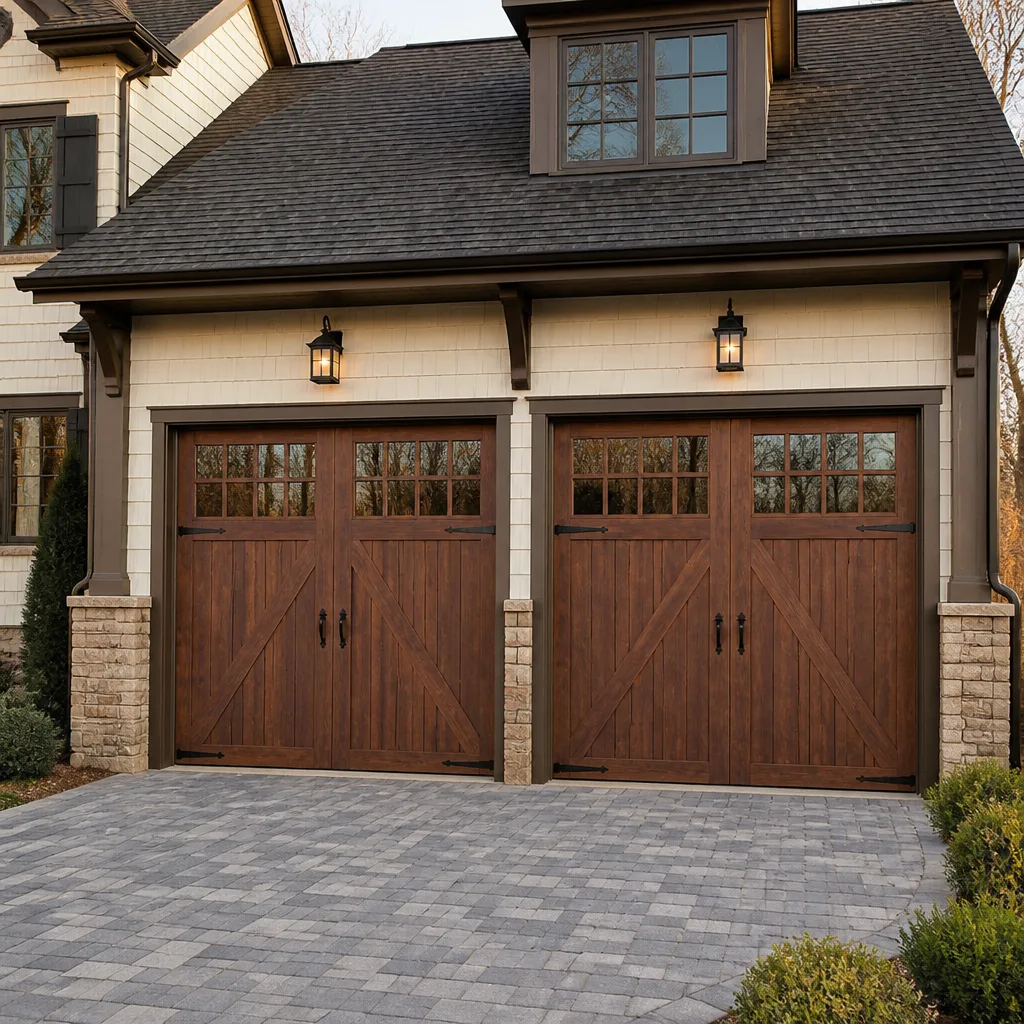 Carriage house
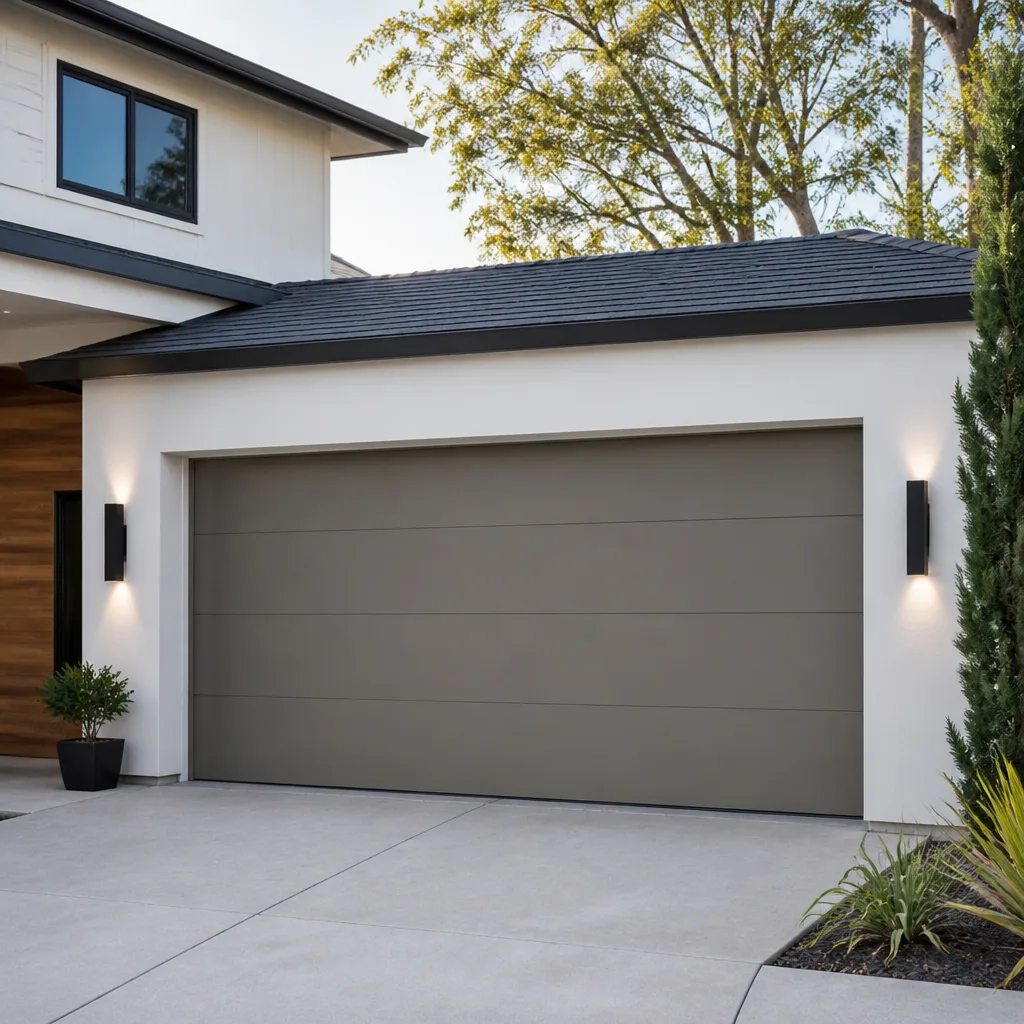 Modern flush
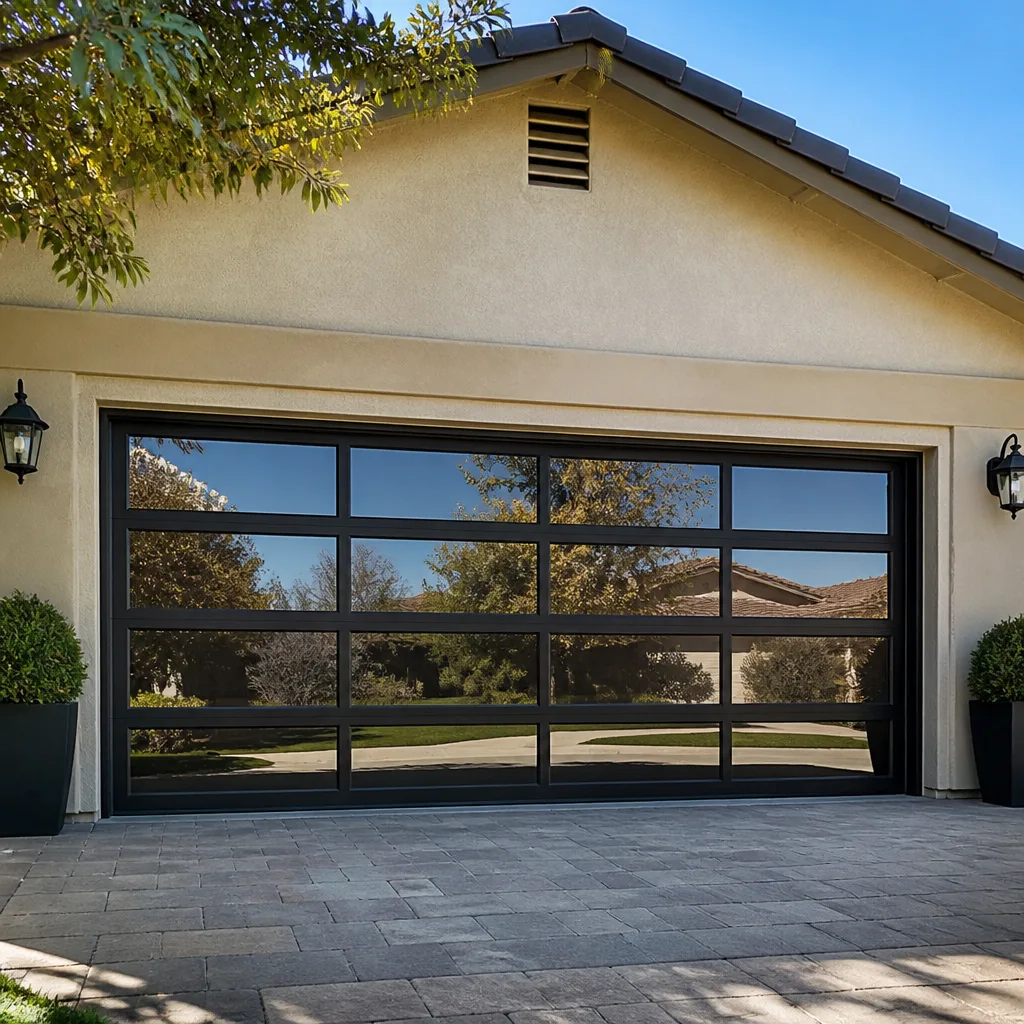 Full-view glass
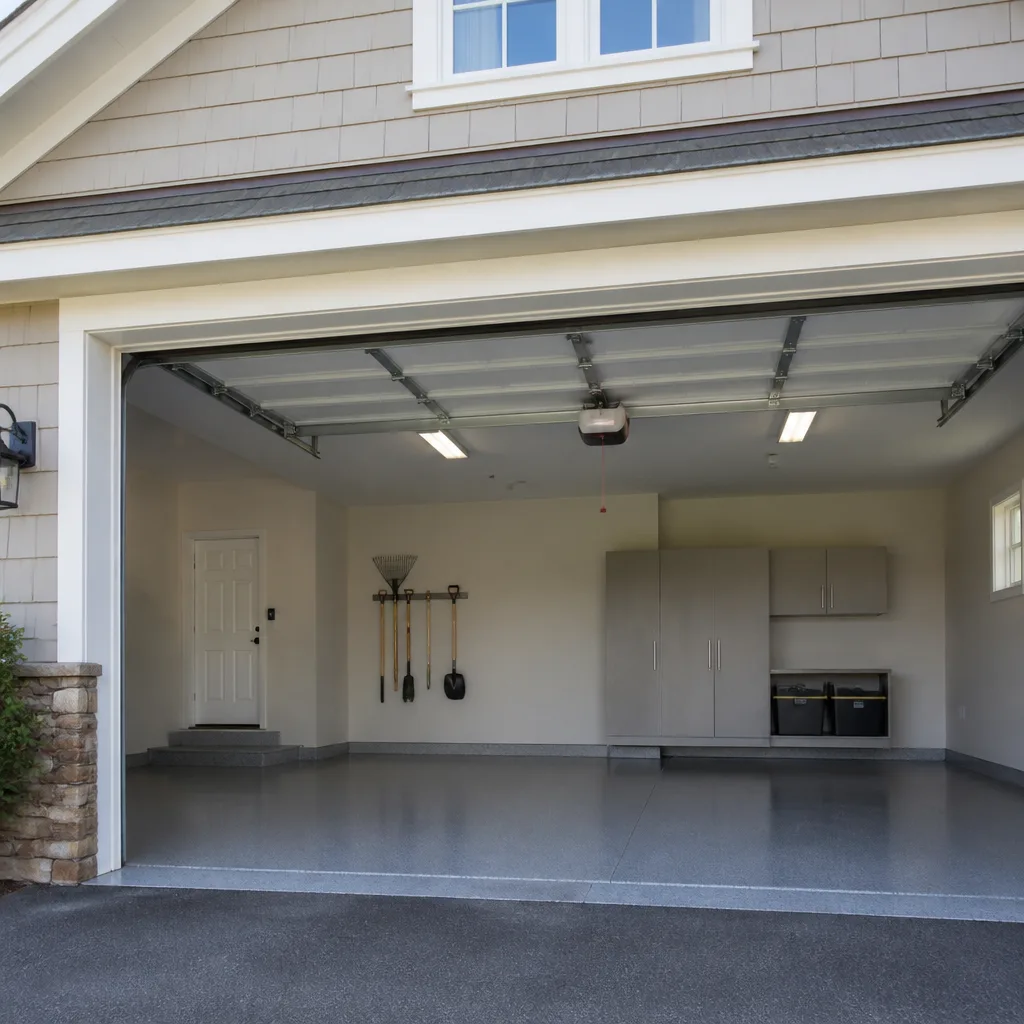 LiftMaster openers
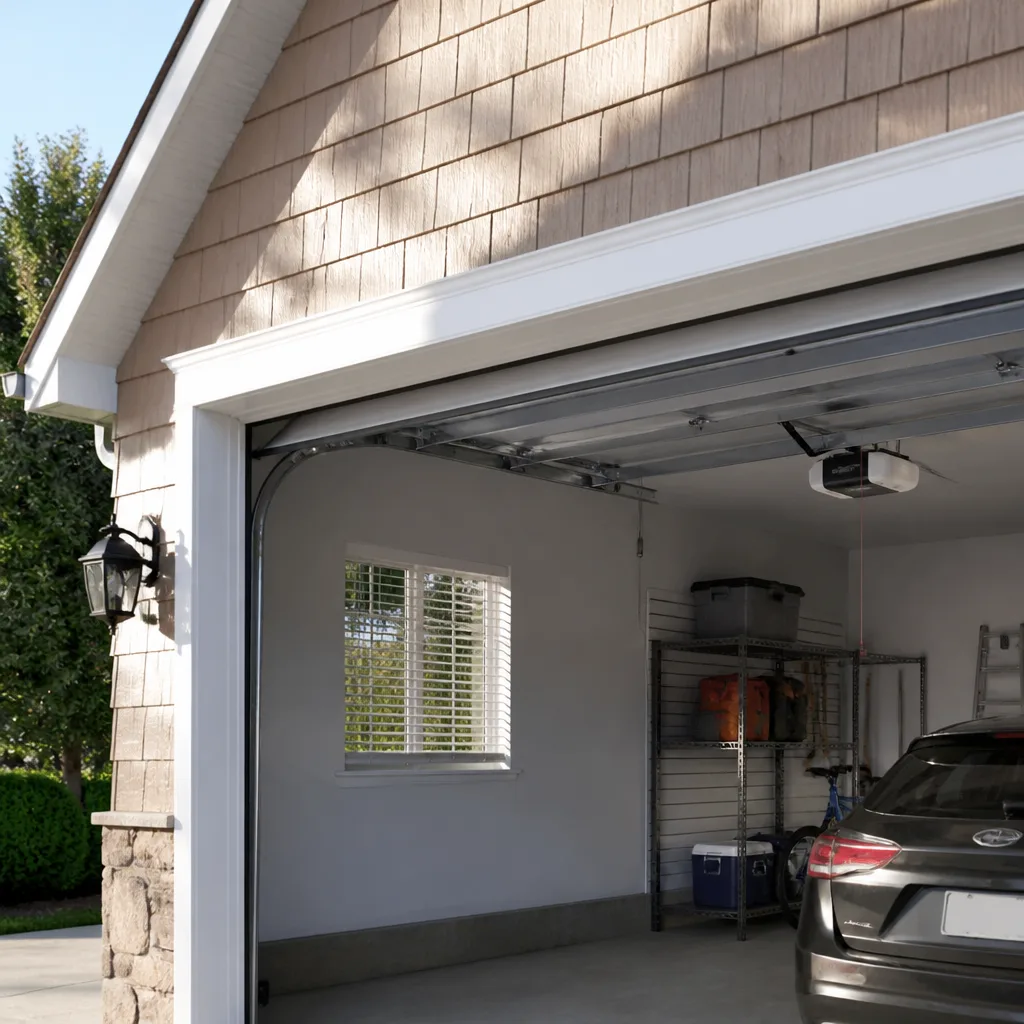 Chamberlain openers
Full 25-point door and opener safety check with every visit - springs, cables, rollers, tracks, and your LiftMaster or Chamberlain opener included
You get a price before we start. It does not change when the pro arrives.
Get your free estimateSeasonal Garage Door Care for Richmond Hill: Year-Round Homeowner’s Guide
Most garage door problems in January were created in August. That’s the part of seasonal care almost nobody talks about. When the humidity sits heavy over Richmond Hill for weeks, the bottom seal softens and warps, wood trim swells against the frame, and bare steel hardware quietly starts to rust. None of it makes a sound. Then the first hard freeze arrives, contracts everything that swelled, and the damage you didn’t see in summer becomes the failure you can’t ignore in winter. This guide treats all four seasons as active maintenance windows, not just a fall checklist, and it tells you what actually matters in Richmond Hill’s particular mix of humid summers and freezing winters.
Styles & brands we work with
- Raised-panel steel
- Carriage house
- Modern flush
- Full-view glass
- LiftMaster openers
- Chamberlain openers
Quick Answer
Year-round garage door care in Richmond Hill means matching the task to the season: inspect seals and prevent rust in humid summer months, lubricate moving parts in early fall before temperatures drop, watch for frozen seals and cable slack in winter, and check track alignment and auto-reverse after the spring freeze-thaw. Each season has one task that takes under ten minutes and prevents the most expensive repair of that season. Doing them on a schedule is cheaper than reacting to a breakdown.
Table of Contents
- Why Richmond Hill’s Climate Is Hard on Garage Doors
- Summer: The Humidity Work Nobody Does
- Fall: Lubricate Before the Cold, Not After
- Winter: The Failure Modes That Show Up in January
- Spring: What Freeze-Thaw Leaves Behind
- Steel vs. Fiberglass: Different Doors, Different Care
- The Ten-Minute Task That Saves the Most Money Each Season
- Opener Care Through the Year
- Common Mistakes to Avoid
- When to Call a Professional
- Frequently Asked Questions
- The Bottom Line
Why Richmond Hill’s Climate Is Hard on Garage Doors
Richmond Hill sits in a stretch of Queens where summers run humid and winters bring repeated freezes and thaws. That combination is harder on a garage door than either extreme alone. A door is a system of materials that expand and contract at different rates: steel panels, rubber seals, nylon rollers, galvanized or painted hardware, and wood or composite trim around the opening. When the air holds moisture for weeks, the softer materials absorb it. When the temperature drops, the absorbed moisture has nowhere to go, and the parts that swelled are now being squeezed.
This is why a door that “worked fine all summer” can fail on the first cold morning. The failure didn’t start that morning. It started months earlier, in conditions that never announced themselves.
Here’s what’s happening at the material level across the year in Richmond Hill:
- Rubber seals soften and take a set against the floor in humid weather. When it freezes, a seal that has warped can stick to the concrete and tear the next time the door lifts.
- Steel panels expand in heat and contract in cold. Repeated cycling loosens fasteners and can open hairline gaps where moisture gets in.
- Bare metal hardware (hinges, rollers, bearing plates) rusts fastest in the humid months. Rust then acts like grit in a moving part.
- Wood trim around the opening swells and can bind against the door’s edge, especially on older homes in neighborhoods like Kew Gardens and Woodhaven.
- Torsion and extension springs cycle through temperature swings, and the metal fatigues faster when the door is fighting a swollen seal or a misaligned track.
Understanding the pattern is the whole point of seasonal care. You’re not just preparing for winter; you’re undoing summer damage before winter turns it into a breakdown. If something on your door has already failed, that’s a repair question rather than a maintenance one, and you can read about garage door repair for how that’s handled.
Summer: The Humidity Work Nobody Does
Summer is when the quiet damage happens. The air in Richmond Hill holds moisture for weeks at a time, and every soft component of your door is absorbing it. Most care guides skip straight to fall prep. That’s a mistake, because the best time to prevent winter failure is while it’s still warm enough to fix things comfortably.
Three tasks define summer care: seal inspection, rust prevention, and paying attention to what your specific door material needs.
Seal inspection. Get down at floor level and look at the bottom seal from the inside. You’re checking for warping, cracking, a seal that has flattened and no longer touches the floor, or one pulling away at the corners. In humid weather a rubber seal can soften and take a permanent set. Once it stops sealing, it lets in water, insects, and cold air, and it starts catching on the floor every time the door moves.
Rust prevention on hardware. Hinges, roller stems, and the bearing plates at the ends of the torsion bar are the usual trouble spots. A light application of a garage-door lubricant on these parts pushes moisture out and slows surface rust. Don’t use household oil that attracts dirt, and don’t spray the tracks themselves, since a track is meant to stay clean and dry.
Material awareness. Steel and fiberglass doors age differently in humid months. Steel needs rust attention on any chips or scratches where the paint has broken, because bare steel starts to oxidize fast in this air. A tiny chip on a steel panel can become a rust bloom by fall. Fiberglass doesn’t rust, but it can develop surface crazing and its gel-coat can dull; the priority there is keeping it clean and watching the frame and hardware rather than the panel face.
If your door has a wood or composite frame, check for swelling where the trim meets the opening. Swollen trim can bind the door’s edge and put extra load on the opener, which shortens the life of the whole system.
Fall: Lubricate Before the Cold, Not After
Here’s the sequencing mistake we see most often: people lubricate their garage door after the first cold snap, when the damage is already underway. Lubricant needs to go on before temperatures drop. Cold grease thickens and won’t penetrate a bearing plate or roller the way warm lubricant will. Applied in fall while things are still mild, it works its way into the moving parts and stays there as a protective film. Applied in January, it sits on the surface and does almost nothing.
Fall is the season to work through the moving parts methodically. A numbered approach keeps you from skipping anything:
- Lubricate hinges and roller stems. A drop of garage-door lubricant at each hinge pivot and on each roller stem. This is the core of fall prep.
- Lubricate the torsion springs lightly. A thin film on the coils helps them move smoothly. Springs are under extreme tension; don’t adjust, wind, or unwind anything, just apply lubricant and leave the tension alone.
- Check the weather seal and bottom seal. Look for the warping summer may have caused. If the seal is flat, cracked, or not contacting the floor, budget a replacement before winter.
- Test the balance of the door. With the opener disengaged (pull the release handle with the door fully closed), lift the door halfway by hand. It should stay roughly in place. If it drops or feels very heavy, the springs or the door’s balance need professional attention.
- Clean the tracks. Wipe out grit and debris with a damp cloth. Leave them dry. Don’t grease the tracks.
- Tighten visible fasteners. Bolts on hinges and brackets come loose through summer cycling; a quick snug-up prevents rattle and misalignment.
Doing this in early fall, while it’s still comfortable to be outside and the lubricant is warm, is the single highest-value maintenance sequence of the year in Richmond Hill. It sets up every moving part to survive the cold months.
If you’d rather have it done properly the first time, our technicians work through the same checklist and can flag anything that looks like it’s heading toward failure. You can read about garage door opener repair if the opener itself is the part acting up.
Winter: The Failure Modes That Show Up in January
Winter in Richmond Hill brings a specific set of failure modes, and knowing them helps you recognize a real problem early. The dominant one is the frozen bottom seal. A seal that warped in summer humidity can freeze to the concrete or to the door’s bottom edge. When the opener tries to lift, the door either won’t move or the seal tears free, and occasionally the extra load stresses the opener.
The second winter failure is cable slack from contraction. As steel cables and springs cool and contract, tension can shift. A slack cable on one side is a warning sign, not something to ignore. Cables, like springs, are under extreme tension and are genuinely dangerous; a snapped or binding cable can cause serious injury. This is a stop-using-the-door situation, not a home fix.
The third is how cold affects the opener motor. Cold thickens the grease inside an opener and slows the motor’s mechanical response. A door that has been marginal all year, with a seal dragging or a hinge binding, suddenly needs more force than the opener can deliver in cold air. That’s when people discover their opener has been working hard for months. Older units, including legacy Craftsman and Genie models, are the ones that show this first.
Practical winter tasks in Richmond Hill:
- Keep the bottom seal clear of ice and snow so the door doesn’t freeze down. Don’t force the door if it’s stuck.
- Listen to the opener. A straining motor, a slowing lift, or a rattling sound is a sign the door is overloaded by friction or a failing part.
- After a cold snap, look at both cables for slack or visible kinks. If either one looks off, stop operating the door and call someone.
- Don’t pour hot water on hinges or tracks to free them; that adds moisture that refreezes and makes rust worse.
If the door won’t move at all, that’s exactly the situation emergency service exists for, and you can read more about Garage Door Repair Richmond Hill for how urgent calls are handled.
Spring: What Freeze-Thaw Leaves Behind
Spring is when the winter’s damage surfaces. Freeze-thaw cycles repeat through a Richmond Hill winter, and each cycle stresses the door’s frame, tracks, and seals. By the time it warms up, small alignment problems and moisture intrusion have had months to develop. Spring care is about finding them before they get worse.
Three checks define spring care: track alignment, panel moisture inspection, and testing the auto-reverse safety feature.
Track alignment. With the door closed, look down each vertical track from the inside. The door should sit evenly in both tracks. Bracket bolts can loosen over a winter of freeze-thaw movement. Don’t force or bend a track back into place; a track that has genuinely shifted needs professional straightening or replacement, because a bent track guides the door badly and can lead to a dropped panel. If it’s visibly out of line, stop using the door.
Panel moisture inspection. Walk along the inside face of the door and look for discoloration, bubbling paint, or dark streaks at the seams, especially on steel doors and around the bottom edge where moisture collects. Any small opening is a place where winter water got in and spring rust starts. Catching it now is far cheaper than catching it a year later.
Auto-reverse testing. This is a safety feature that can drift over winter stress, and it’s worth testing once the season turns. Place a firm object about the size of a roll of paper towels flat on the floor under the door, then close the door with the opener. The door should reverse immediately on contact. If it doesn’t, stop using the opener and get the safety system checked. This is not a feature to leave untested.
Spring is also the natural time to look hard at the whole system and decide whether the door is worth continued investment. That’s a decision we help homeowners make honestly, especially when we’re already looking at a garage door installation as a possibility. Older wooden doors in parts of Richmond Hill, particularly where homes have been handed down, often reach the point where the honest answer is replacement rather than another repair.
Steel vs. Fiberglass: Different Doors, Different Care
The single biggest factor in how a garage door ages in Richmond Hill is what it’s made of, and steel and fiberglass doors need genuinely different attention through the year. Treating them the same is a common source of premature wear.
Steel doors
- Rust is the main enemy. Every chip or scratch in the paint is a place where moisture gets to bare steel. Touch up chips in fall and spring so the humid summer and freezing winter don’t get into them.
- Watch the bottom edge. That’s where water pools and where rust usually starts. The bottom seal is your first defense; a worn steel door with a bad bottom seal will rust from the inside out.
- Fastener and panel movement. Steel contracts in cold and expands in heat. Fasteners loosen over a year of cycling. A spring check for loose bolts is worth doing.
- Insulation matters. An insulated steel door holds its shape better in temperature swings, which reduces stress on the frame over time.
Fiberglass doors
- Rust isn’t the issue, but the frame and hardware still rust. The panel may look fine while the hinges and roller stems quietly corrode. Check those parts, not the face.
- Surface care is water and dirt. Fiberglass can develop a dull, chalky film from sun and humidity. A clean surface slows that. Skip it and the door looks old before it is.
- Gel-coat crazing. Fine surface cracks can appear with age. They’re mostly cosmetic, but they collect dirt and moisture, so clean them and keep an eye on whether they deepen.
- Weight and balance. A fiberglass door is lighter than a comparable steel one, and its balance can shift as seals and hardware wear. Balance testing matters just as much as on steel.
Our technicians have up to 12 years of experience, and across the brands we work on, including Raynor and Chamberlain, the material-specific care is something we tailor to the actual door on the home rather than a generic checklist.
The Ten-Minute Task That Saves the Most Money Each Season
Each season has one short task that prevents the most expensive single repair of that season. Here they are, in order, with the reasoning behind each.
- Summer: Inspect the bottom seal. This is the ten-minute task that matters most in the humid months. A failing seal lets moisture into the door’s bottom edge and the frame, and replacing a seal is a small job compared to repairing rusted-through panels or a rotted bottom rail. Catching it in summer before winter freezes it in place is the whole game.
- Fall: Test the door’s balance by hand. Disengage the opener, lift the door to about halfway, and let go. A well-balanced door holds its position; one that falls means the springs or the door’s balance are off, and operating a badly balanced door overloads the opener and wears every part faster. This check takes a couple of minutes and can spare you an opener replacement.
- Winter: Listen to the opener on the first cold morning. If it strains, slows, or rattles when it’s below freezing, that’s your warning that the system is overloaded and something is about to give. Ten minutes of listening and acting early can save the cost of an opener or spring failure. Don’t operate a door that clearly isn’t moving normally.
- Spring: Test the auto-reverse. Ten minutes with a firm object on the floor and a few door cycles confirms your safety system still works after winter. This one matters for the people and pets who use the door as much as it does for the door itself.
None of these are difficult. The value is in doing them at the right time of year, in Richmond Hill’s particular climate, rather than all at once in some arbitrary month.
Opener Care Through the Year
An opener is the part of the system most affected by how the rest of the door is doing. A well-maintained door puts less load on the opener, and the opener lasts longer. A door that’s been fighting a swollen seal or binding hinge all summer is quietly working the opener harder, and it’s the opener that often fails first when winter adds cold and friction.
Year-round opener care is mostly about noticing and addressing load:
- Keep the door’s parts working freely. Every lubrication and balance check you do on the door is a load reduction on the opener. This is why opener care and door care aren’t separate activities in practice.
- Watch the motor’s sound and speed. A change in how the opener sounds or how quickly it lifts is a signal, especially on older units. Legacy models, including older Genie and LiftMaster openers, are the ones that show wear first.
- Smart openers need firmware and app attention. If your opener is app-connected, its firmware updates and connection status are worth checking through the year. A connection drop that gets ignored can leave you without remote access when you need it.
- Don’t keep resetting a stuck opener. Repeated resetting can mask a mechanical problem. If the opener stops working or behaves strangely, have it diagnosed rather than cycling it. Our opener repair spans both smart-home-integrated and older mechanical systems, so we diagnose the actual model on your door.
If your opener has been rebuilt, replaced, or upgraded, matching the opener’s capability to the door’s weight and material is essential, and that’s part of what a proper installation or repair assessment covers.
Common Mistakes to Avoid
- Lubricating after the cold arrives. Cold lubricant won’t penetrate a bearing plate or roller. Apply it in fall while temperatures are still mild, or you’re mostly wasting your effort.
- Greasing the tracks. Tracks are meant to stay clean and dry. Lubricant on the tracks collects dirt and grit, which then wears the rollers faster. Clean and leave them dry.
- Ignoring the bottom seal until winter. A seal that warped in the summer humidity freezes to the floor in winter and tears when lifted. Inspect it in the humid months, not the cold ones.
- Forcing a door that’s clearly stuck or binding. Forcing a door with a slack cable, a bent track, or a frozen seal turns a repair into a much bigger one and can be dangerous. Stop and get it looked at.
- Treating steel and fiberglass the same. Steel needs rust attention on chips and the bottom edge; fiberglass needs clean surface care and attention to the frame hardware instead. Applying one door’s routine to the other misses what actually fails.
- Adjusting springs yourself. Springs are under extreme tension, and adjusting them is one of the most dangerous DIY repairs a homeowner can attempt. This is not a maintenance task; leave every spring and cable issue to trained technicians with the right tools.
- Skipping the auto-reverse test. It’s a ten-minute safety check that protects people and pets. Over a winter of stress, the feature can drift, and a door that doesn’t reverse on contact is a real hazard.
When to Call a Professional
Some seasonal care is homeowner territory: inspecting seals, cleaning tracks, checking for chipped paint, watching the door’s behavior. Some isn’t. Call a professional if the door is badly out of balance when you lift it by hand, if a cable is slack or kinked, if a track is visibly bent or the door binds in it, if the opener strains or won’t move the door, if the auto-reverse test fails, or if the door has failed entirely and is stuck open or shut. Those are situations where continuing to operate the door makes things worse and can be unsafe. Springs and cables in particular should never be touched by a homeowner; they’re the highest-risk component of the whole system.
Garage Door Repair Richmond Hill offers free estimates in Richmond Hill. Call (833) 508-9368. We answer 24/7. Fast dispatch from 7am to 7pm, Sunday through Friday.
Frequently Asked Questions
Once a year is the baseline for most Richmond Hill homes, with the extra seasonal checks this guide covers in between. The single most important professional visit is a full lubrication and balance check in fall, before temperatures drop. Humid summers make it worth inspecting seals once mid-summer as well.
A frozen or warped bottom seal is the most common cause. In Richmond Hill, a seal that softened and warped during the humid months can freeze to the concrete or to the door’s bottom edge in cold weather, and the door won’t lift. A slack cable or a door that’s been fighting friction could also be the cause. If the door is stuck, stop forcing it and get it checked. Call (833) 508-9368 for an exact quote; estimates are free.
You can lubricate hinges and roller stems yourself, and it’s worth doing in fall. The parts you should never touch are the springs and cables, which are under extreme tension and genuinely dangerous. If you’re unsure which parts are safe, a maintenance visit sorts it out quickly.
Yes. Steel doors need rust attention, particularly on paint chips and the bottom edge, and that’s the main recurring task. Fiberglass doors don’t rust, but their frame hardware does, and their surface needs regular cleaning to keep it from dulling. The balance and safety checks apply to both.
A single failed component, such as a spring, cable, roller, or opener, usually means repair. A door with widespread panel damage, a rusted-through bottom edge, or repeated failures usually means replacement is the better long-term call. We assess both and tell you plainly which makes more sense for your door. Call (833) 508-9368 for a free estimate.
The local professionals we connect you with are licensed and insured as their state requires. Our technicians have up to 12 years of experience and arrive familiar with the exact hardware on your door, working across LiftMaster, Chamberlain, and the other major garage door and opener brands.
The Bottom Line
Seasonal garage door care in Richmond Hill works best as a four-season rhythm, not a single fall chore. Inspect seals and prevent rust in the humid summer months, lubricate in early fall before temperatures drop, watch for frozen seals and cable slack in winter, and check track alignment and auto-reverse after the freeze-thaw. Steel and fiberglass doors need different attention through all of it. Do the short task each season calls for and you’ll head off the expensive repairs that show up as sudden winter failures. And never touch springs or cables yourself. When something is beyond routine care, that’s the time to call.
Call (833) 508-9368 for a free estimate. We answer 24/7. Fast dispatch from 7am to 7pm, Sunday through Friday. We’re closed Saturday.
Written by the team at Garage Door Repair Richmond Hill.
See the difference
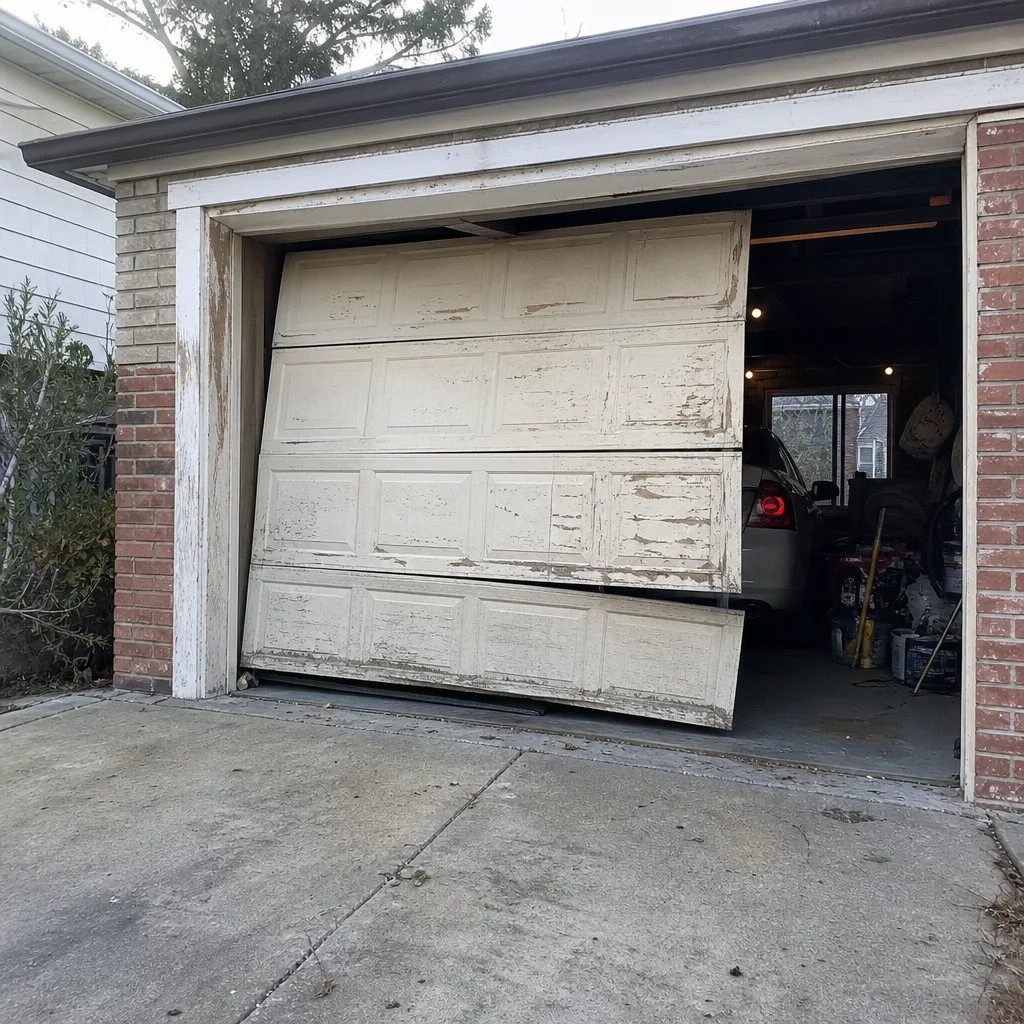 Before
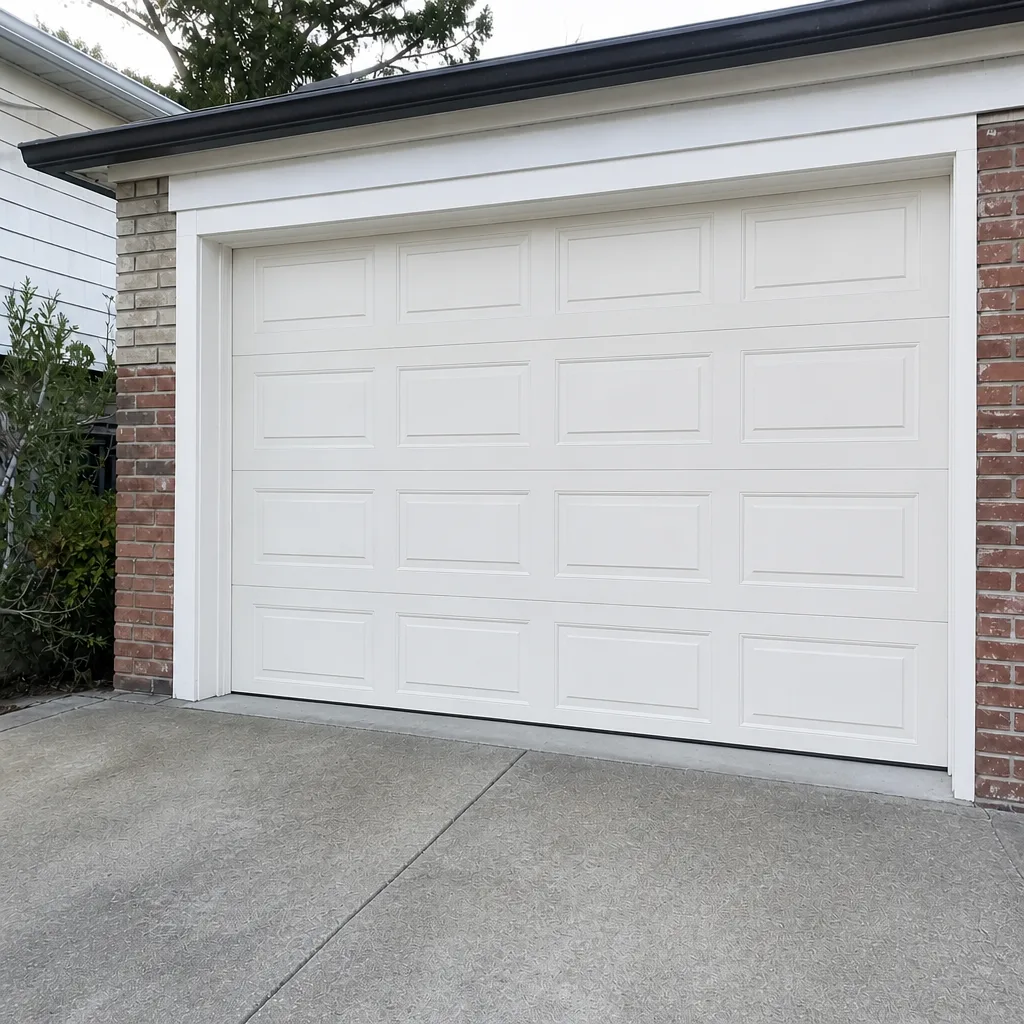 After
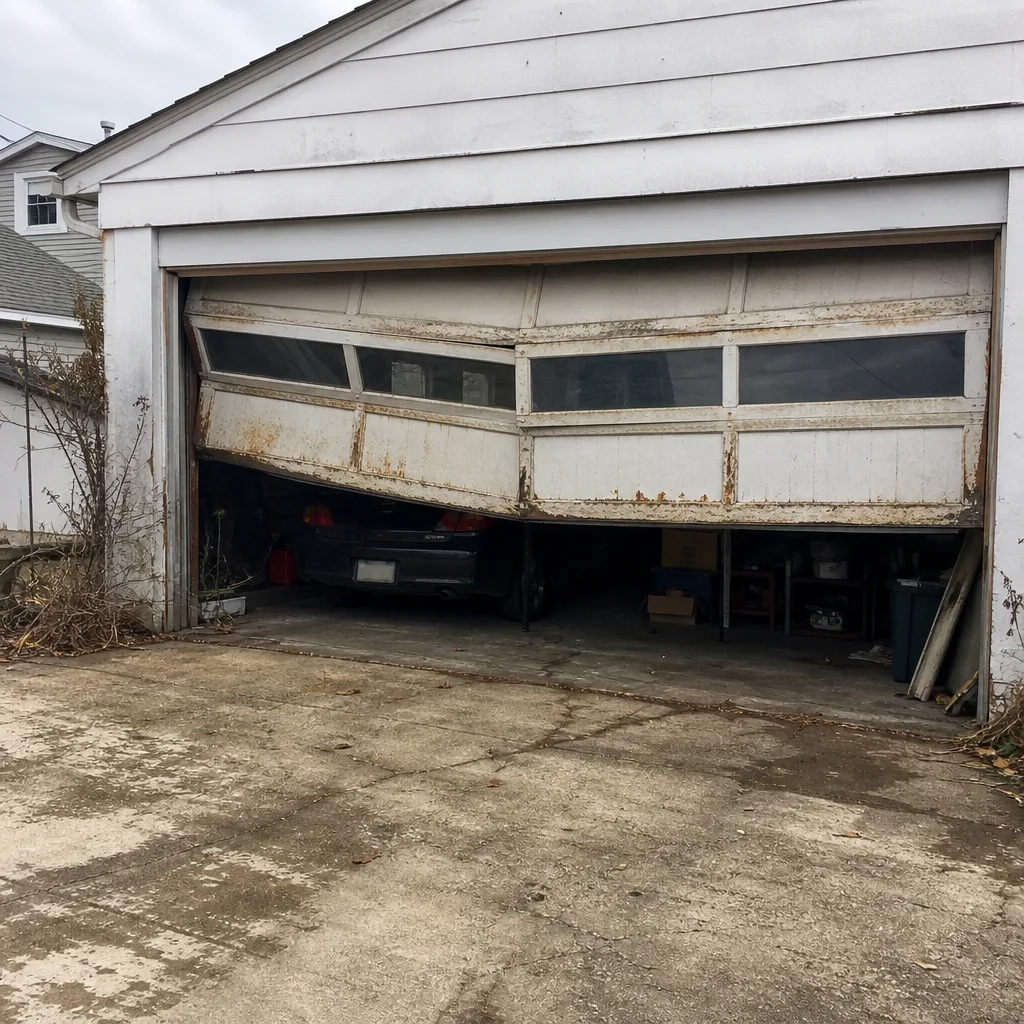 Before
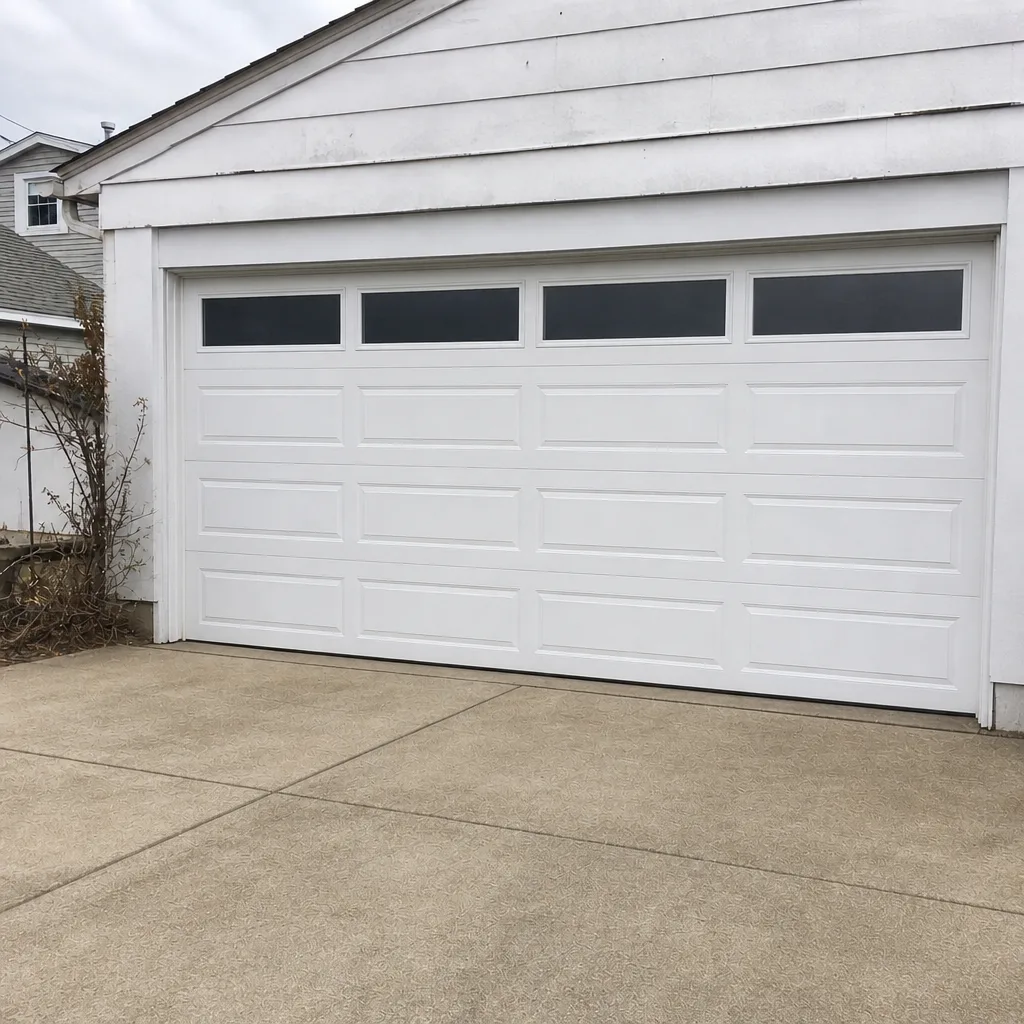 After
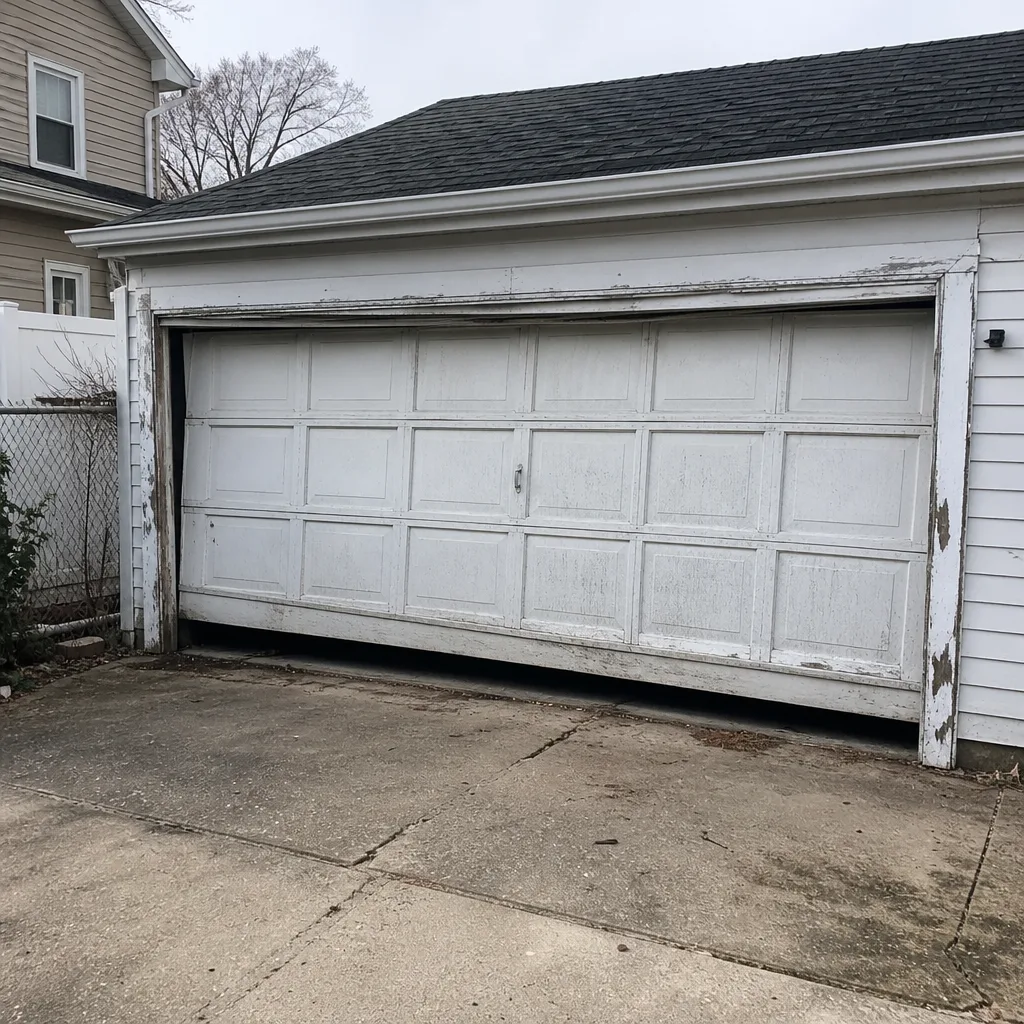 Before
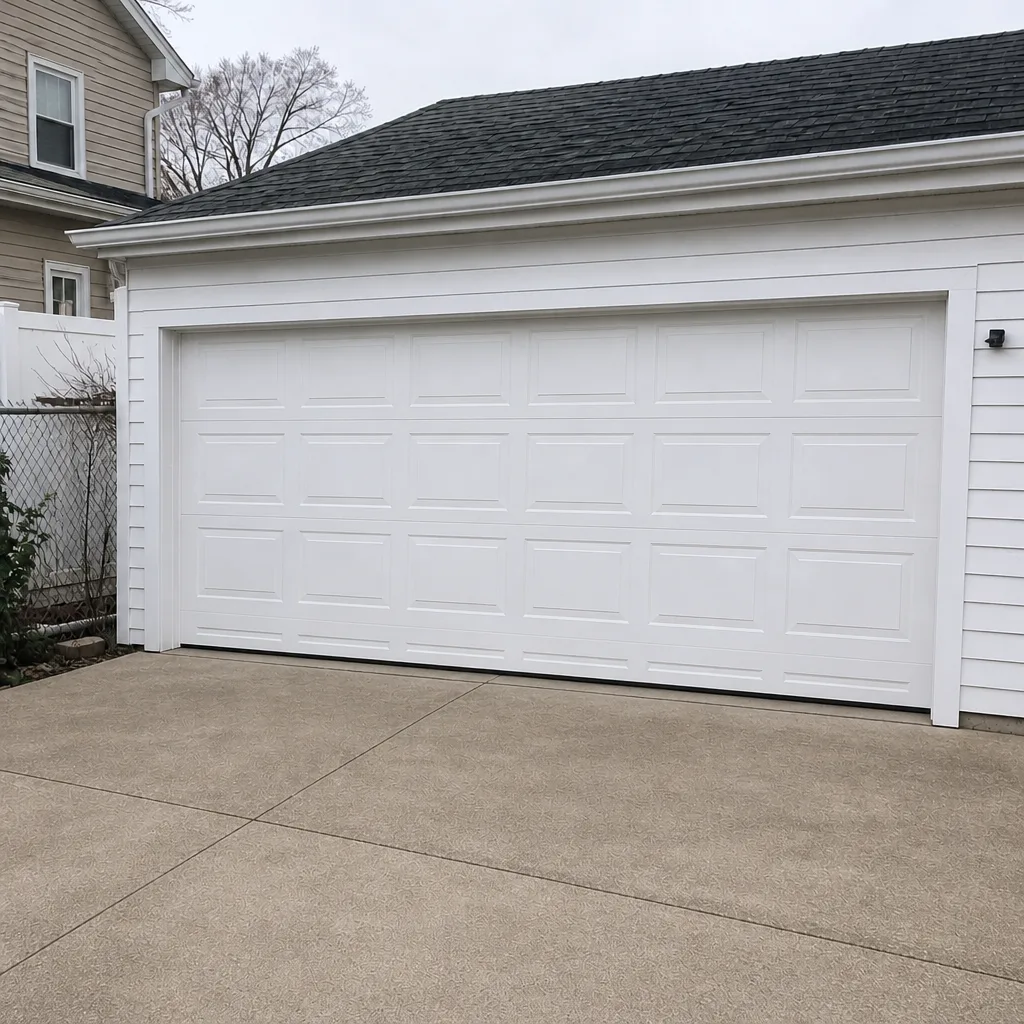 After