
Last updated November 21, 2026
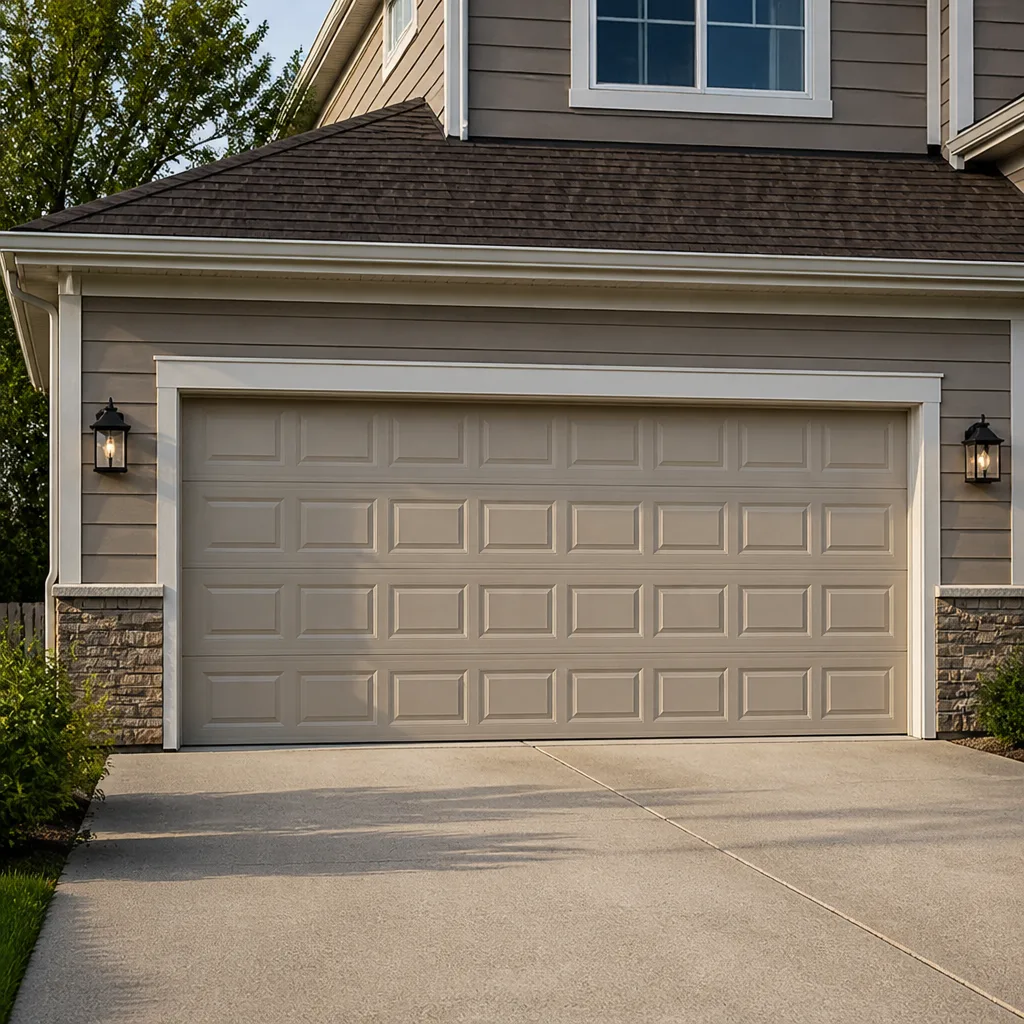 Raised-panel steel
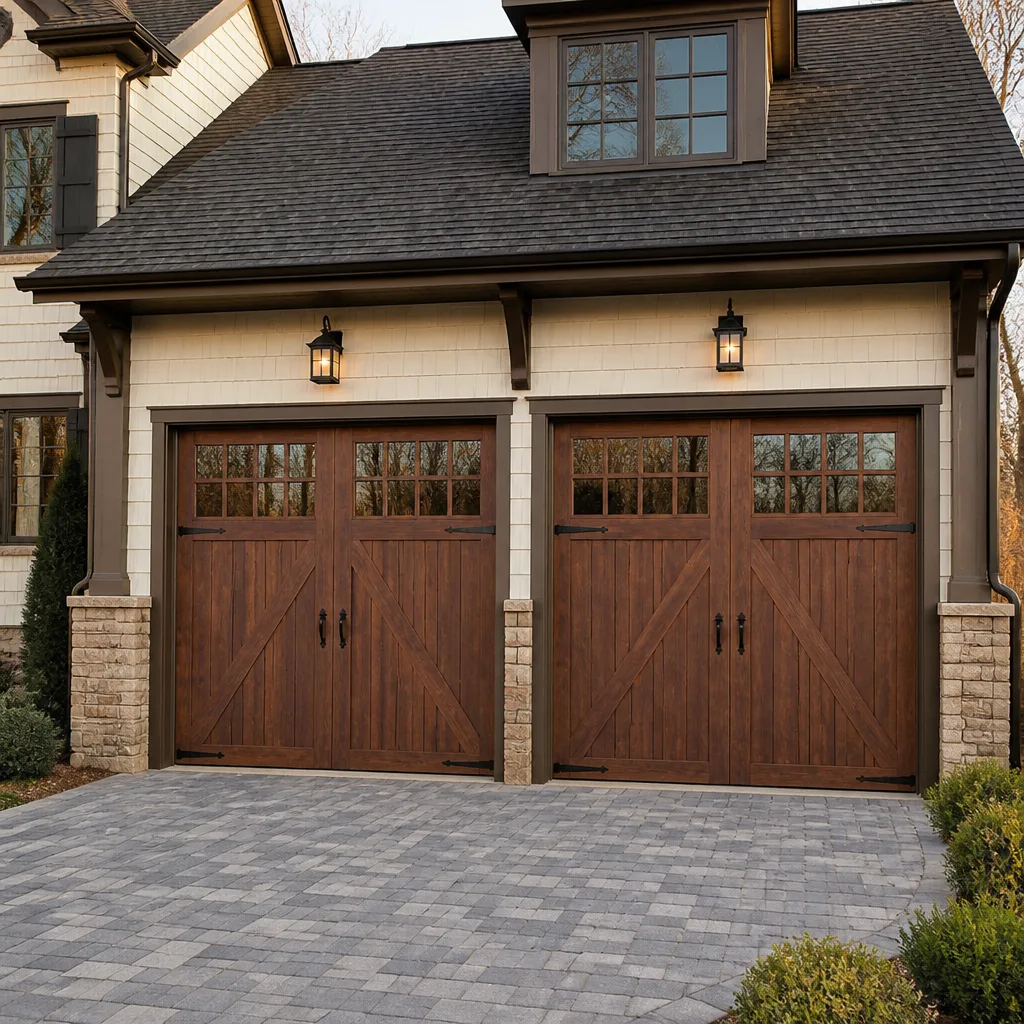 Carriage house
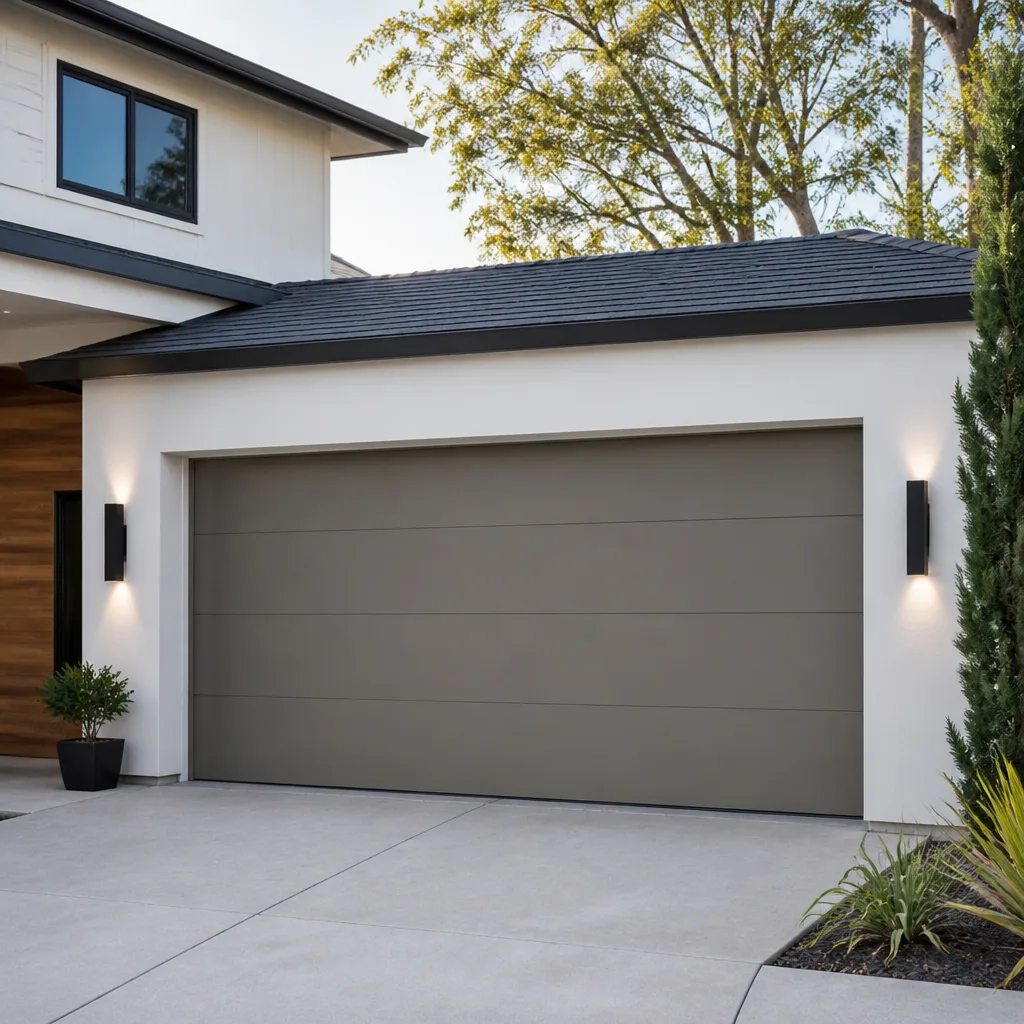 Modern flush
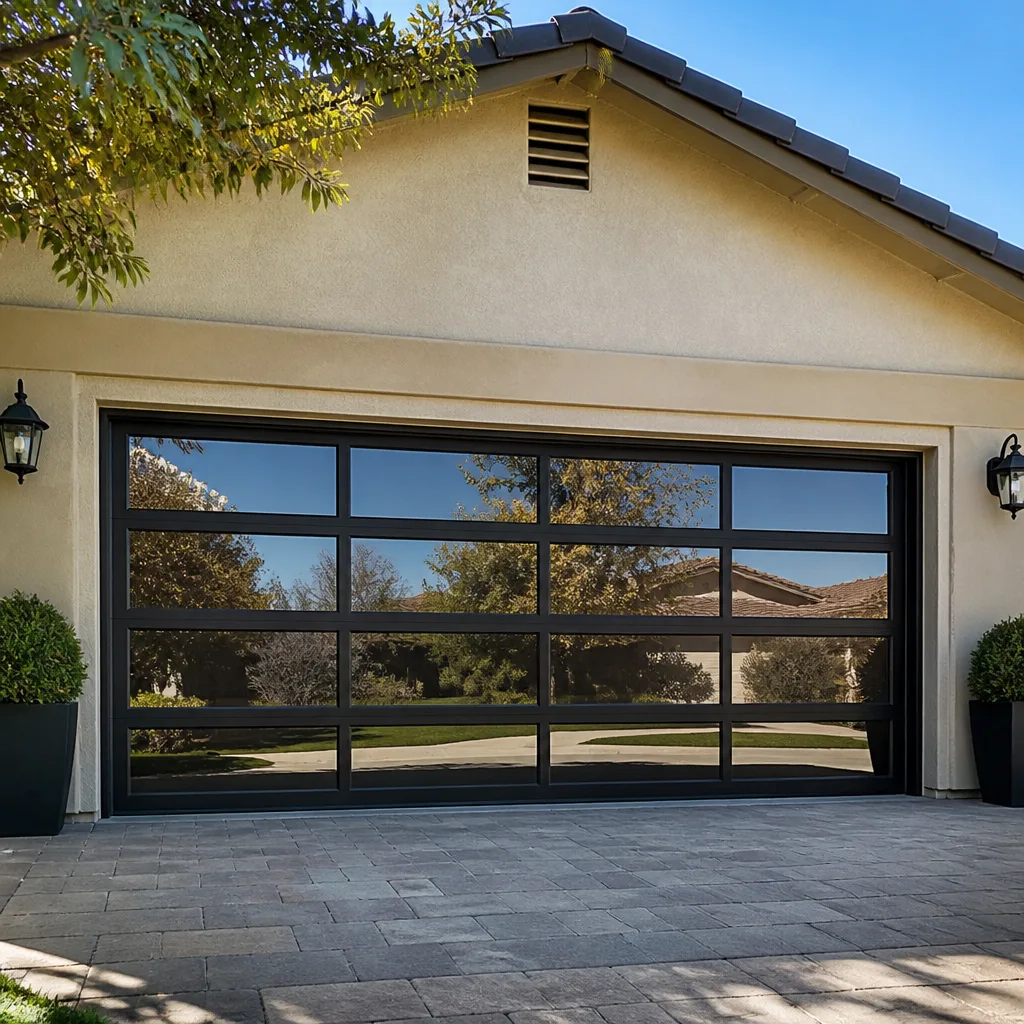 Full-view glass
 LiftMaster openers
 Chamberlain openers
Full 25-point door and opener safety check with every visit - springs, cables, rollers, tracks, and your LiftMaster or Chamberlain opener included
You get a price before we start. It does not change when the pro arrives.
Get your free estimateGarage Door Warning Signs: A Richmond Hill Homeowner’s Reference Guide
A garage door that hesitates for two seconds before it moves usually isn’t an opener problem. It’s a mechanical resistance problem the opener is straining against, and a new opener won’t fix it. That one misread explains a large share of the money wasted on these doors: people replace the motor when the actual drag is a tired spring, a dry roller, or a cable starting to fray. This guide maps the ten warning signs Richmond Hill homeowners notice most often to the component actually causing them, separates the signs that mean “watch this” from the ones that mean “stop operating the door,” and shows you how to describe what you’re seeing so a technician can diagnose it right the first time.
Quick Answer
The most common garage door warning signs are unusual noise, a door that moves slowly or unevenly, a door that won’t stay balanced halfway open, visible gaps at the bottom or sides, vibration or shaking, a remote that lags or responds only up close, a door that reverses before closing, and visible wear on springs or cables. The danger signs that mean stop using the door immediately are a snapped spring, a frayed or hanging cable, a door hanging off its track, and a door that slams shut or won’t reverse. In Richmond Hill, temperature swings through the year and damp air near the water and the marshland edge of town make some of these signs come and go, which is exactly why they get misdiagnosed.
Styles & brands we work with
- Raised-panel steel
- Carriage house
- Modern flush
- Full-view glass
- LiftMaster openers
- Chamberlain openers
Table of Contents
- Symptom-to-Root-Cause Map: The Ten Warning Signs
- The Manual Release Test: Separating Opener Failure From Spring and Cable Failure
- Stop Operating Now vs. Monitor for Now
- What Fraying, Rust, and Gap Formation Actually Look Like
- Why Warning Signs Come and Go, and How to Document Them
- Noise and Vibration: Is It the Door or the House?
- Remote Lag and Reversal: Opener, Safety Sensors, or Load
- Common Mistakes to Avoid
- When to Call a Professional
Symptom-to-Root-Cause Map: The Ten Warning Signs
Here’s the reference table we’d hand a Richmond Hill homeowner if we could. Each symptom is matched to the component most likely behind it, not the part it superficially looks like. Read down the middle column and notice how often the opener gets blamed for something upstream of it.
- Loud bang, then the door won’t lift: a torsion or extension spring has broken. Not the opener.
- Door hesitates or stalls in the first few inches: spring under tension or worn rollers adding load. Usually not the opener.
- Door rises slowly the whole way: weak or fatigued springs, or a binding track.
- Door won’t stay open halfway: failed balance, almost always spring-related.
- Visible gap at the bottom when closed: a bent bottom panel, a worn bottom seal, or the door stopping short because of resistance.
- Shaking or vibration: loose hardware, a bent track, or worn rollers.
- Remote works only when you’re close: opener receiver, battery, or interference. This one really is the opener.
- Door reverses before touching the floor: safety sensors, or a travel limit set wrong.
- Frayed or hanging cable: cable failure in progress. Stop using the door.
- Door off its track or hanging crooked: a cable or roller has failed. Stop using the door.
The pattern in Richmond Hill is that the top of that list gets the wrong diagnosis most often. A homeowner hears a small hesitation and books an opener replacement. Then the same door, with a fresh motor, still hesitates, now with a strained new opener added to the bill. When we run Garage Door Repair Richmond Hill, the first job is figuring out whether the door is fighting the opener or the opener is fighting the door.
One more thing worth knowing: these symptoms cluster. Springs at the end of their life add load, the extra load vibrates loose hardware, and the vibration shows up as a noise complaint. Treating the noise with a spray can leaves the spring untouched. Fix the balance and the noise tends to go quiet on its own.
The Manual Release Test: Separating Opener Failure From Spring and Cable Failure
You can tell a lot about your door’s health with the opener disconnected and both feet on the ground. The manual release test isolates the door from the motor, so whatever you feel is the door itself. It’s the single most useful piece of information you can bring to a technician, and it’s safe to do as long as you follow these steps exactly and stop if the door feels dangerously heavy or slams.
- Close the door fully and make sure nobody is under it.
- Pull the red release handle hanging from the opener trolley. You’ll hear a click. The door is now disconnected from the motor.
- Lift the door halfway by the handle using both hands. A healthy door is light in the first few inches and moves smoothly. If it’s heavy from the start, the springs are providing less lift than they should.
- Let go gently at the halfway point. A balanced door stays roughly where you left it. A door that crashes down has a spring or balance problem, and you should not continue using the opener until it’s checked.
- Reconnect before you try the opener again. Pull the trolley toward the door, then run the opener until it re-engages. Don’t force it.
If the door lifted easily by hand but the opener still struggled, the opener is the problem. If the door felt heavy or dropped when you let go, the springs are the problem, and no amount of opener work will change that. That distinction decides whether you need a technician for the springs or someone diagnosing the motor. In our experience, the manual release test catches the misdiagnosis before money changes hands, especially on older doors around Richmond Hill where the opener has been replaced once already and the springs never have.
Please don’t take the test further than this. Opening a spring assembly, winding a torsion spring, or trying to fix a cable is work for a trained technician with the right tools. Springs carry enough stored energy to cause serious injury, and a cable under tension can snap without warning.
Stop Operating Now vs. Monitor for Now
Not every warning sign is an emergency, but a few of them are, and treating those as watch-and-wait is where real damage and real injury happen. The rule of thumb: if the problem is about the balance of the door or a part under tension, stop. If it’s about noise, sealing, or the remote, you can usually keep using the door carefully while you get it looked at.
Stop using the door immediately if you see:
- A spring with a visible gap in it, or a torsion spring that has clearly separated.
- A frayed, kinked, or hanging cable, or a cable that’s come off its drum.
- A door that’s off its track, crooked, or hanging at an angle.
- A door that slams shut, won’t reverse, or reverses for no reason.
- A door that feels dangerously heavy when you lift it by hand.
You can usually keep using the door carefully while you schedule service if:
- The door is louder than it used to be but still runs evenly.
- The bottom seal has a small gap on one corner.
- The remote works only from close range, or one of two remotes has stopped.
- The light on the opener flickers, or the door beeps.
Treat the “monitor” list as a deadline, not a permanent state. A noisy door stays safe for a while, but the noise is telling you something is wearing, and worn parts on a garage door tend to fail suddenly rather than gradually. If you’re in one of the stop-now situations and can’t secure the door yourself, that’s exactly what emergency garage door service is for.
What Fraying, Rust, and Gap Formation Actually Look Like
Springs and cables are the parts most people never look at until something fails, and yet they’re the easiest to check visually once you know what to look for. You don’t need to touch anything. Look from the floor with a flashlight and stop at the point of identifying what you see. We’ve seen plenty of Richmond Hill doors where a two-minute visual check earlier would have caught a problem before it became an emergency.
On springs: You have either torsion springs (the horizontal coil above the door) or extension springs (running along the tracks at each side). On a torsion spring, look for a clean vertical gap in the coil about the width of your finger; that means it has broken. Look for heavy rust, flaking, or a coil that’s started to sag. On an extension spring, look for a stretched section, a spring that looks longer than its neighbor, or a safety cable that’s come loose.
On cables: The cable runs from the bottom corner of the door up to a drum above. Run your eyes along it from a distance. Healthy cable is taut and clean. A failing cable looks frayed, with little strands poking out, or it’s kinked, or it’s sagging slack because it’s come off the drum. Any of those means stop using the door.
On the rest of the door: Look for rollers that have worn flat instead of round, hinges with visible cracking, and a bottom seal that’s torn or flattened. A gap at the bottom in winter isn’t always the seal; sometimes the door is stopping short because of resistance, so look at the seal before you assume weather stripping.
Richmond Hill’s damp air does accelerate rust on untreated hardware, particularly within a few blocks of the water and marshland to the south. A light coat of lubricant on the springs and rollers helps, but if rust has reached pitting, lubricant won’t reverse it. If what you’ve found is a gap in a spring or a frayed cable, don’t operate the door while you wait: call and get it diagnosed.
Why Warning Signs Come and Go, and How to Document Them
A door that hesitates on cold mornings but runs fine by afternoon is still a failing door. Intermittent symptoms are the hardest to diagnose, because by the time a technician arrives the door may be behaving. Richmond Hill’s weather makes this worse: a cold snap stiffens the grease in the rollers and tightens the door frame, both of which increase load, and a spring that’s at the edge of its capacity will finally show it. Humidity does the same thing in a different way, swelling wood door sections and adding friction.
Before you call, spend a few days writing down four things. It takes seconds and it transforms a vague complaint into a diagnosis:
- The exact symptom. Not “it’s noisy” but “a rattle from the left side, about three seconds into opening.”
- When it happens. Cold mornings, wet days, or first thing in the morning after the door has sat all night.
- Whether the door itself feels different. Does the manual release test feel heavier on those days than others?
- Whether it’s getting worse. Roughly how often, and whether the symptom is louder, longer, or more frequent than last week.
Take a short video on your phone on the day it’s happening. A ten-second clip of the door in the act of hesitating is worth more than any description. When a technician can see and hear the actual failure, they can compare it against the behavior of the brands they know directly, whether your door is a Clopay panel, an Amarr sectional, or a Genie or Chamberlain opener driving it. We work on the brand already in your garage, and matching the symptom to that specific hardware is how we avoid the guesswork.
Noise and Vibration: Is It the Door or the House?
Garage doors make noise, and some of that noise is normal. What you’re listening for is a change. A door that’s been quiet for years and has started banging, rumbling, or squealing is telling you a part is wearing, and the type of noise points to which part.
- A grinding or scraping sound usually means a roller or the track itself. Rollers can wear flat and grind along the track, or a track can bend slightly and scrape.
- A squealing sound is almost always dry hinges, rollers, or a dry spring. Lubrication can quiet it, though it doesn’t fix the underlying wear that dried it out.
- A rattle or bang often means loose hinges, a loose opener rail, or a door panel with a cracked section. Loose hardware on a door that’s moving thousands of times a year will eventually fail.
- A rhythmic thumping could be a bent track or a worn roller hitting a joint in the track.
Here’s the part people miss: vibration doesn’t just wear the door, it transmits into the framing above. In Richmond Hill, that’s often the wood frame of a detached or semi-detached garage, and the noise you hear in the kitchen may be coming through the framing rather than the door itself. That’s why a noise complaint sometimes turns out to be a door that needs balancing, not a door that needs new panels. Fixing the balance takes the load off the hardware and the vibration drops.
Good habits help. Lubricating the springs, hinges, and rollers a couple of times a year quiets most door noise, and it slows wear. But if the noise is new and it’s accompanied by the door moving unevenly or feeling heavy by hand, lubrication is a bandage on a problem that needs diagnosis.
Remote Lag and Reversal: Opener, Safety Sensors, or Load
The remote and reversal complaints are where the opener genuinely is the suspect, which is why they’re often mistaken for proof the whole door needs a new motor. Here’s how to tell them apart.
Remote lag. If the remote only works from close range, or works intermittently, the first checks are simple. Replace the remote battery, make sure the safety sensors are aligned and their small lights stay solid, and try again. If two remotes fail at the same time, that’s the receiver in the opener, or interference from something nearby. If a single remote fails, it’s usually the remote. Older radio-frequency openers and newer app-connected ones fail in different ways, and the fix depends on which you have.
Reversal. If the door reverses before it touches the floor, the safety sensors are the usual cause: dirty lenses, a spiderweb, sunlight hitting one sensor, or a sensor knocked out of alignment. If both sensor lights are solid and the door still reverses, the travel limit or force setting on the opener is set wrong, or the door is binding somewhere it can’t see. A binding door can cause the opener to reverse on its own, because the motor thinks it’s hit something. That’s the load problem again, disguised as an opener fault.
If the opener itself is the confirmed issue, that’s a repair, not a replacement decision. We diagnose both connectivity-era and older mechanical openers, and our technicians have up to 12 years of experience across the brands most Richmond Hill homes have installed. The point of diagnosis is to decide whether repair or replacement is the smarter long-term move, and to tell you which, honestly.
Request garage door opener repair when the motor itself is the problem. But if the remote test and the manual release test point to load, ask for spring service instead, and save the opener for another day.
Common Mistakes to Avoid
- Replacing the opener to fix a hesitation. A door that stalls is usually fighting weak springs. A new opener on a failing spring just strains a new motor. Test the door by hand first.
- Treating a broken spring as a minor annoyance. A door with a snapped spring can drop fast. Springs are not a DIY fix, and operating the door on a failed spring risks more than the door.
- Ignoring a frayed cable because the door still opens. A frayed cable is a cable in the process of failing. The door working today says nothing about tomorrow.
- Assuming a gap at the bottom is only a seal problem. In a Richmond Hill winter, a gap is often the door stopping short because of drag on the track or rollers. Check whether the door reaches the floor fully before you replace the seal.
- Greasing a spring you’ve never inspected. Lubricating over a spring with a visible gap hides the evidence. Look for the gap before you touch the lubricant can.
- Waiting for an intermittent symptom to become permanent. A door that hesitates only on cold mornings is still a door with a problem. It might not hesitate on the afternoon the technician arrives, so document it and take a video.
- Letting a repair turn into a replacement without asking. Some doors genuinely need replacement, but a worn section, a failed spring, or a single bad opener doesn’t necessarily mean a new door. Ask whether the door’s structure is sound.
When to Call a Professional
Call us when you’ve found a gap in a spring, a frayed or hanging cable, a door that’s off its track, or a door that won’t reverse or feels heavy by hand. Those are stop-now situations. Call us too when a symptom has been vague for weeks and keeps getting worse; that’s exactly the kind of intermittent problem we’d rather catch while it’s still a repair. Our technicians have up to 12 years of experience, and we handle repair, opener service, springs, and garage door installation under one call. When the door won’t move, we do. Garage Door Repair Richmond Hill offers free estimates, and the price is quoted and agreed before any work starts so there are no surprises on the invoice. Call (833) 508-9368.
See the difference
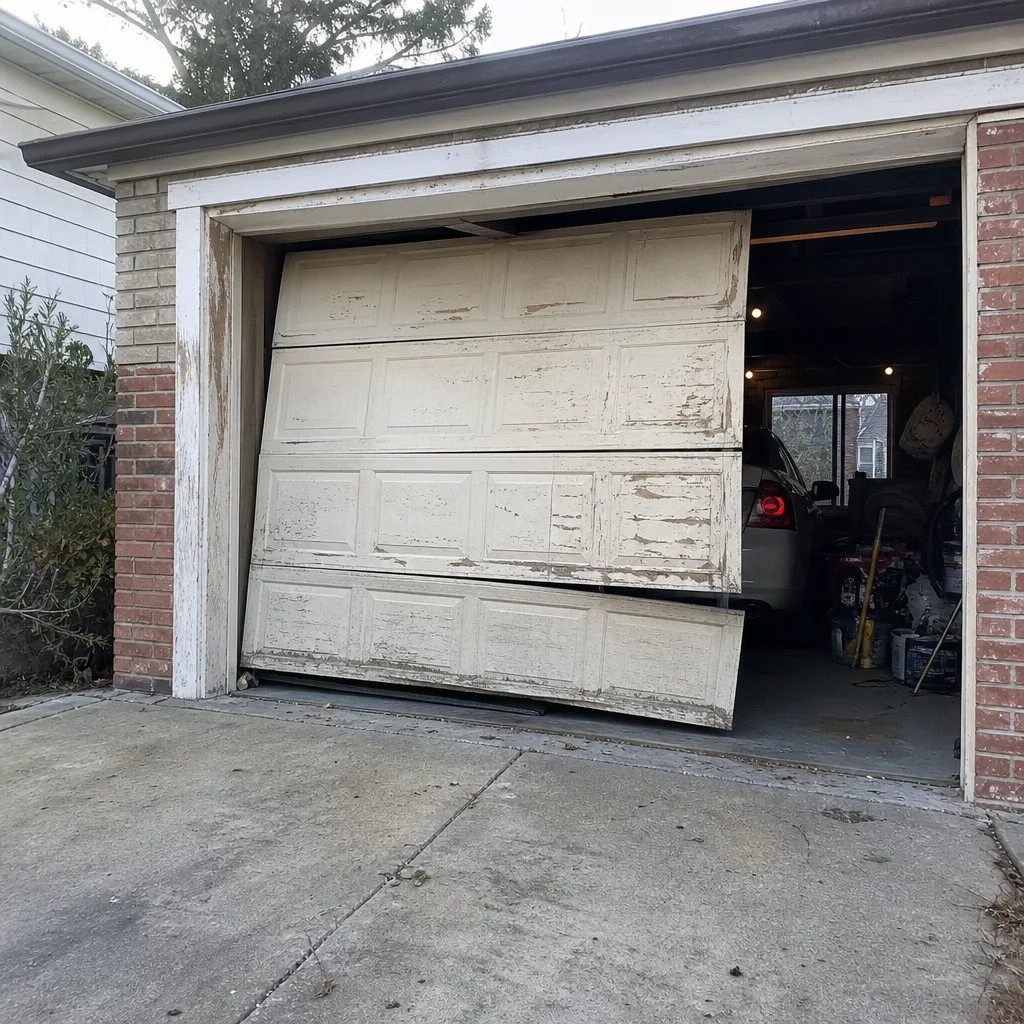 Before
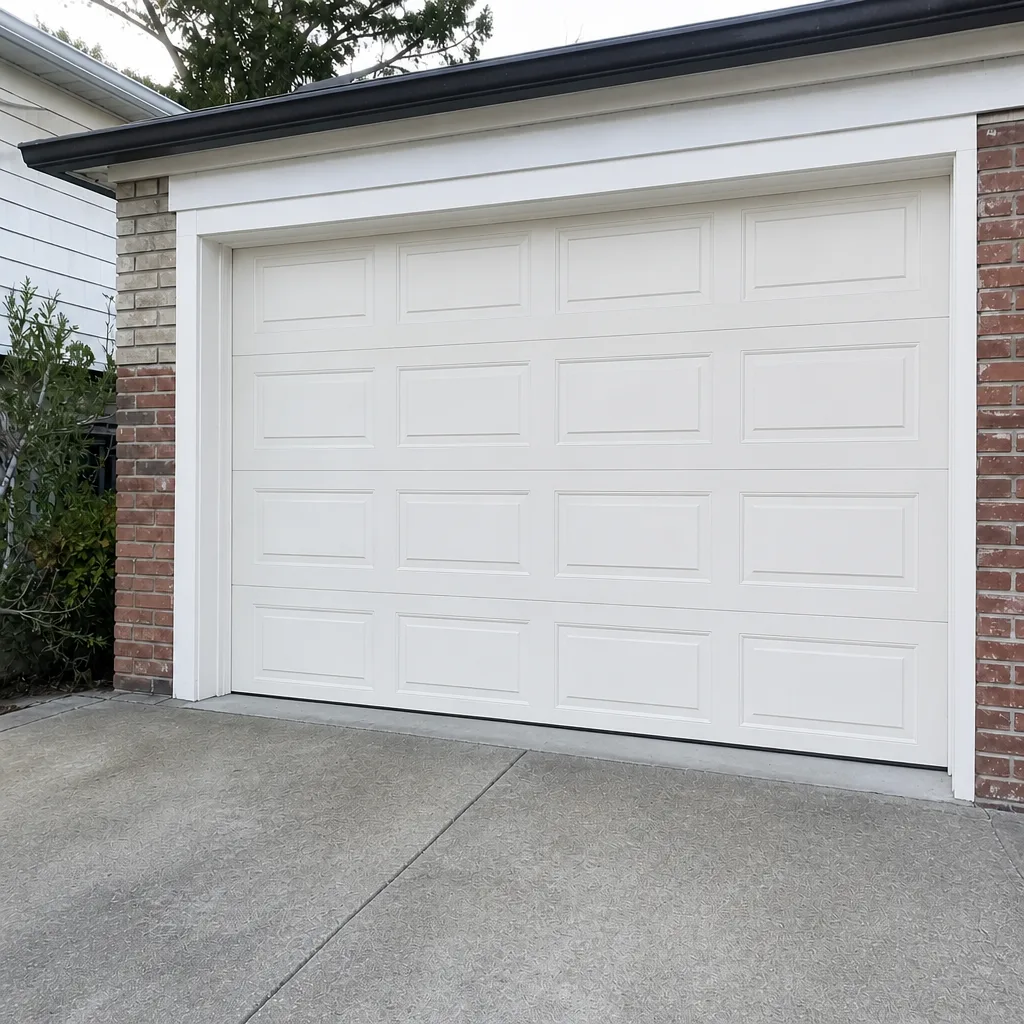 After
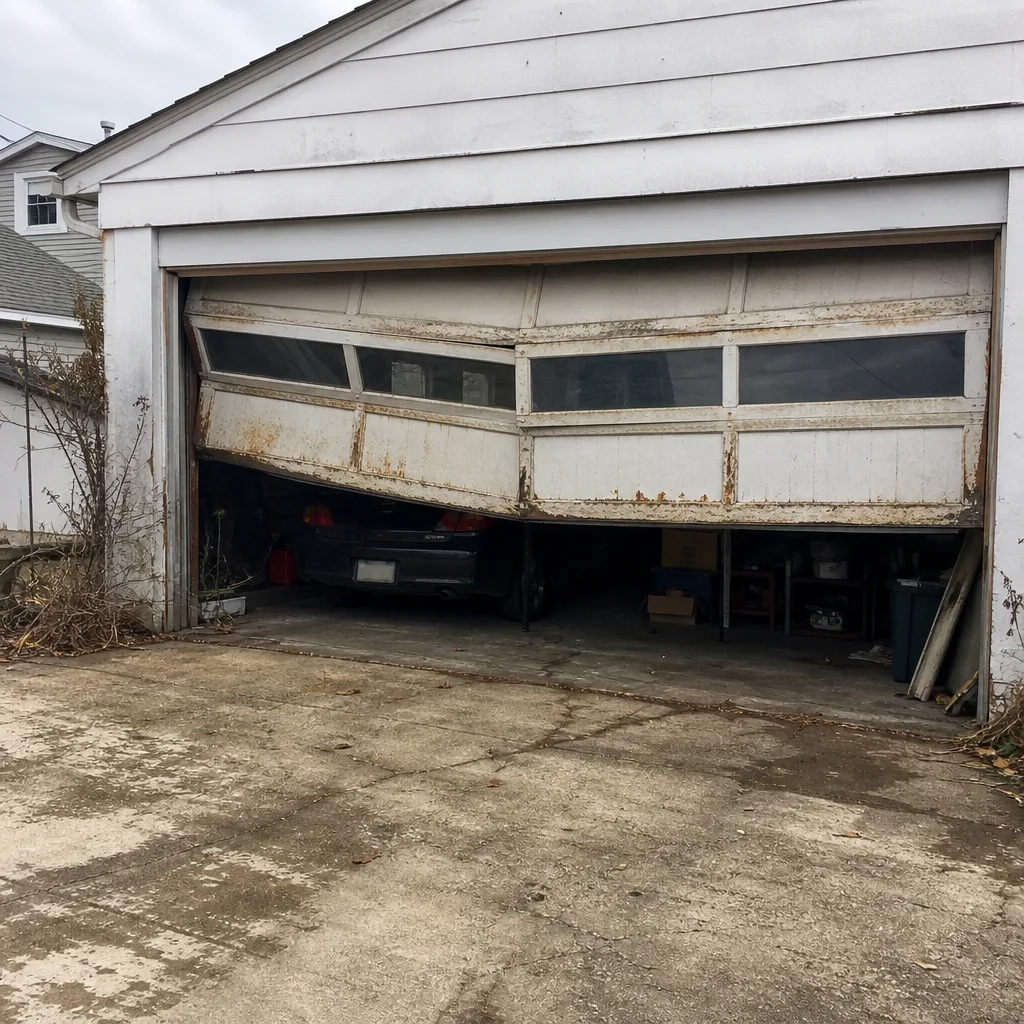 Before
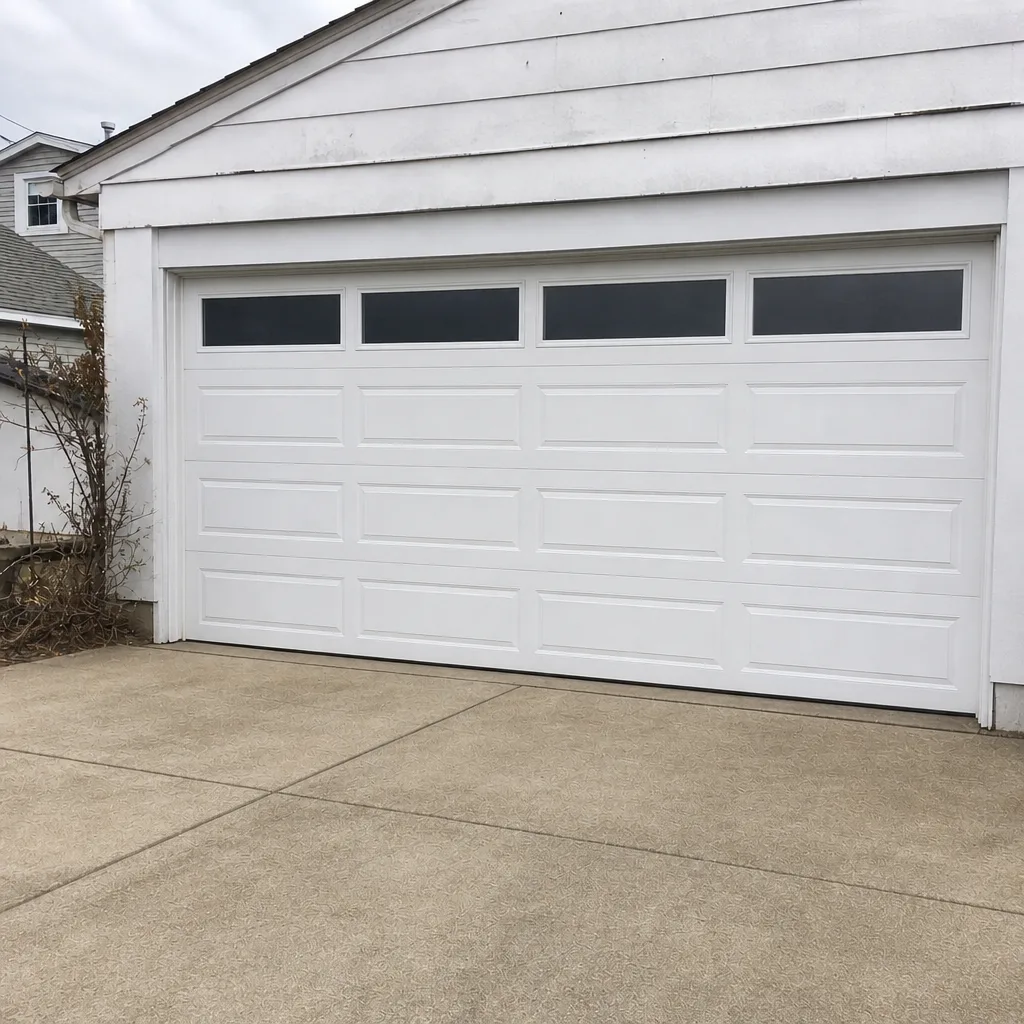 After
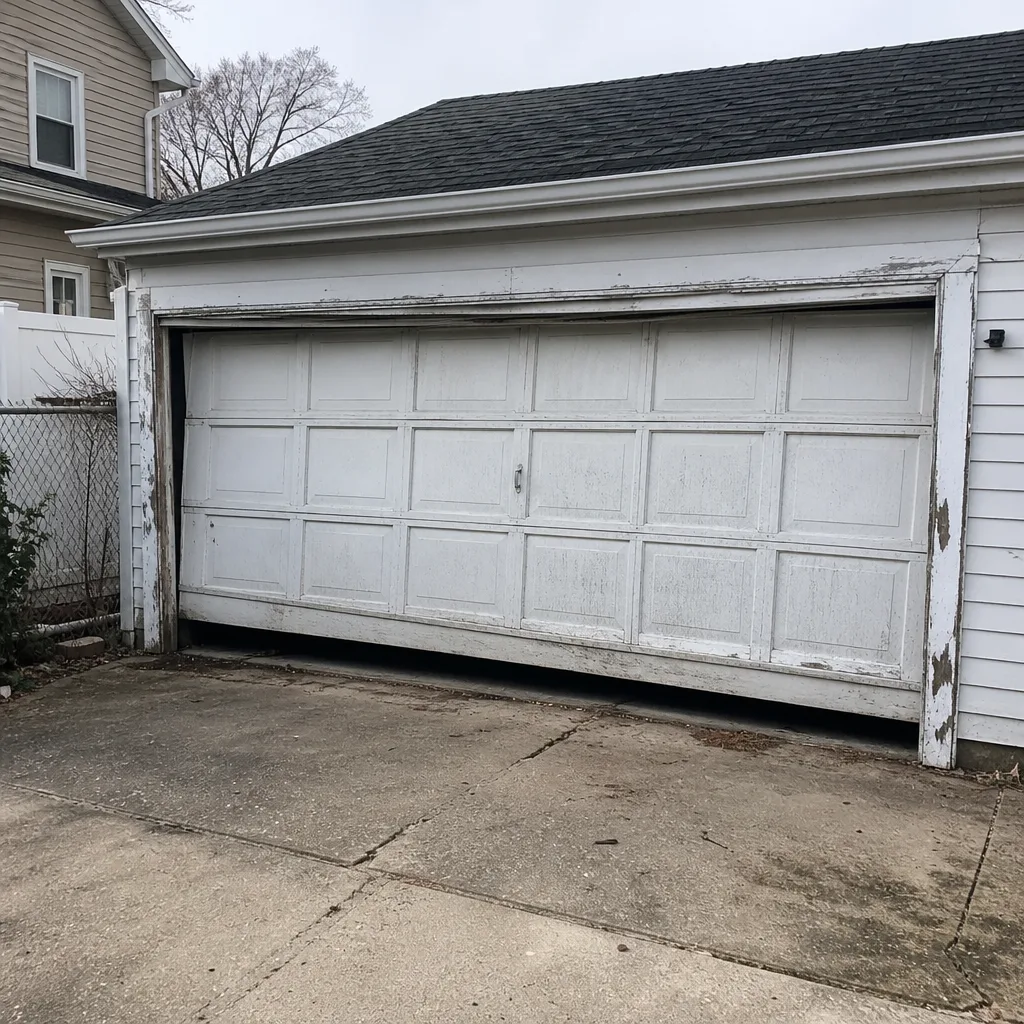 Before
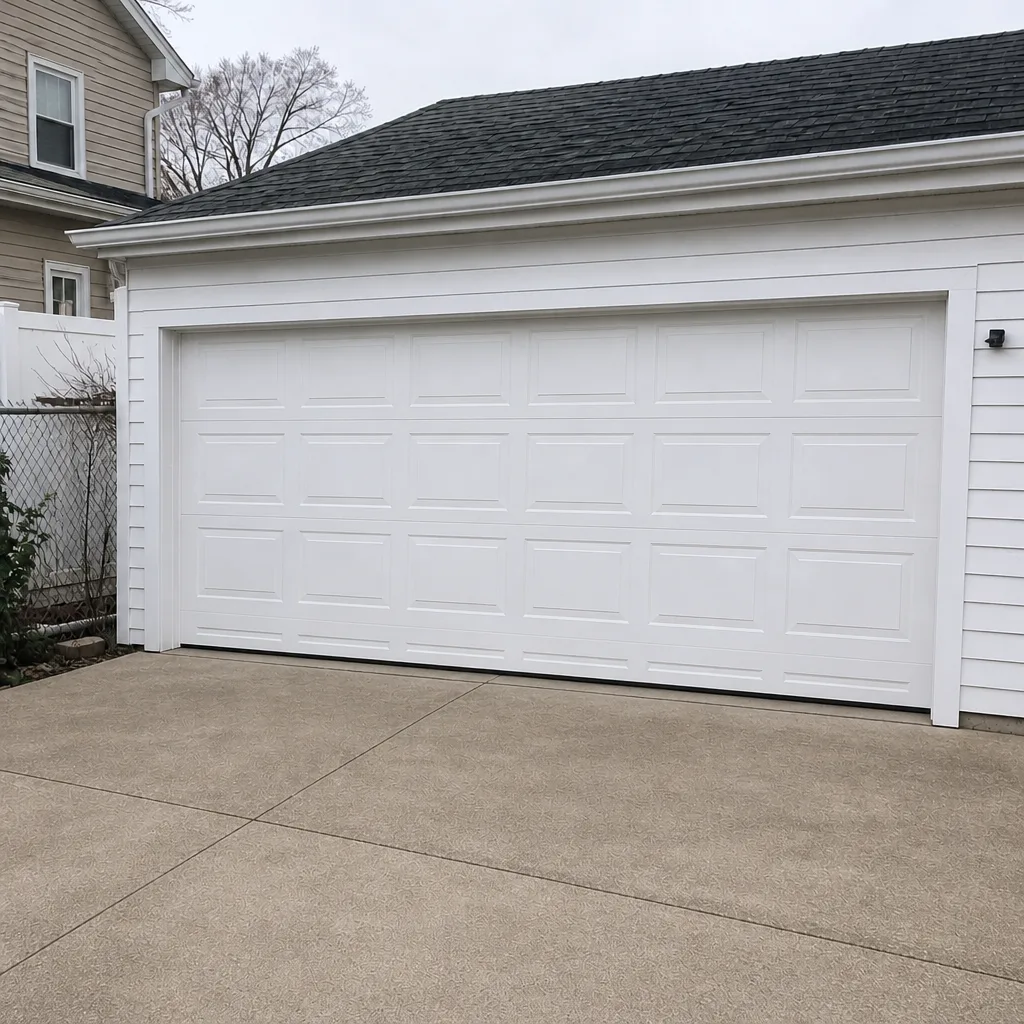 After
Frequently Asked Questions
Usually not. A hesitation in the first few inches of travel is far more often a mechanical resistance problem, such as weak springs or a binding track, that the opener is straining to overcome. Do the manual release test: if the door feels heavy or drops when you let go, it’s the springs or balance, not the opener. Call (833) 508-9368 for a diagnosis and a free estimate.
Stop immediately if you see a gap in a spring, a frayed or hanging cable, a door off its track or hanging crooked, or a door that slams or won’t reverse. These are safety-critical failures, and operating the door can cause injury or further damage. For the noise, seal, or remote signs, you can usually keep using the door carefully while you schedule a visit. Call (833) 508-9368 to get it looked at.
The price is set per job by a written estimate, so the exact figure depends on what’s found, but the estimate itself is free. Spring replacement, opener repair, and track and cable work are each priced separately, and we quote and agree the price before any work starts. Call (833) 508-9368 for an exact quote.
Yes, in most stuck-door cases. We answer 24/7, and fast dispatch runs from 7am to 7pm, Sunday through Friday. If you call outside dispatch hours, we book you into the next opening. Call (833) 508-9368.
Cold tightens the door frame and stiffens the lubricant in the rollers, adding resistance, and a spring at the end of its capacity will finally show it. The symptom being intermittent doesn’t make it harmless. Take a short video on the morning it happens and mention the pattern when you call. Call (833) 508-9368 for an estimate.
It depends on the door’s structure. A failed spring, a single worn section, or a bad opener is usually a repair, while rusted-through panels, repeated panel failures, or a door whose structure has been compromised point toward replacement. Our technicians have up to 12 years of experience and we handle both, so we can tell you which is the smarter long-term investment. For related work, see garage door repair. Call (833) 508-9368 for a free estimate.
The local professional who comes to your home is licensed and insured as the state requires. If you need to confirm documentation before work starts, ask when you book, and we’ll pass the request along. Call (833) 508-9368.
The Bottom Line
Most garage door warning signs get blamed on the wrong component, and the hesitation complaint is the classic case: the door is fighting a spring, not a failing opener. Use the manual release test to sort opener from spring and cable before you spend anything. Treat a gap in a spring, a frayed cable, a crooked door, or a door that won’t reverse as stop-now, and treat noise, seals, and remote lag as deadlines rather than background noise. Richmond Hill’s cold snaps and damp air make some warning signs intermittent, so document what you see, when you see it, and keep a video. Our technicians have up to 12 years of experience, and we handle everything from a stuck door today to a new door in spring. Call (833) 508-9368. We answer 24/7. Fast dispatch, 7am-7pm.
If you’d rather have the door looked at than talked through, reach out and we’ll book a free estimate. Call (833) 508-9368. We answer 24/7. Fast dispatch from 7am to 7pm, Sunday through Friday. One call covers repair, opener service, springs, and installation, so you don’t need to piece it together yourself.
Written by the team at Garage Door Repair Richmond Hill.