
Last updated November 21, 2026
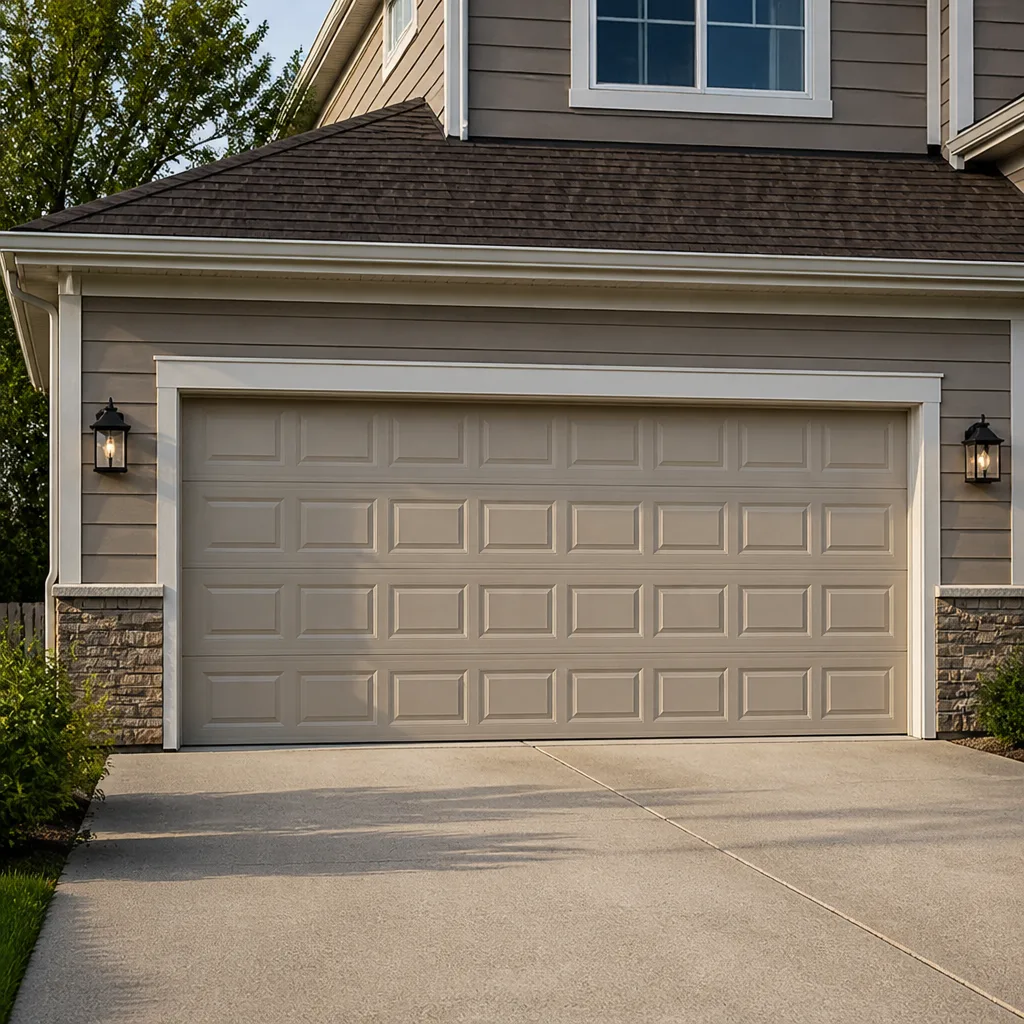 Raised-panel steel
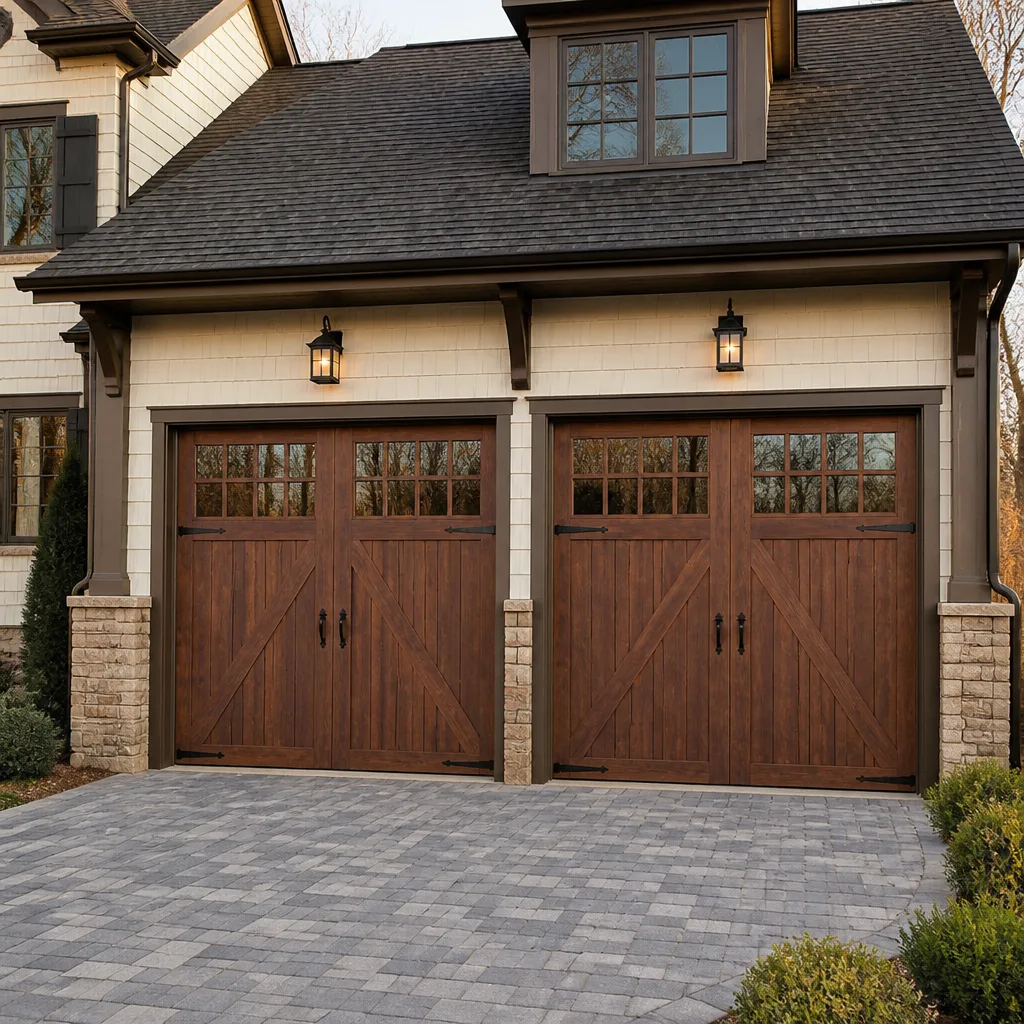 Carriage house
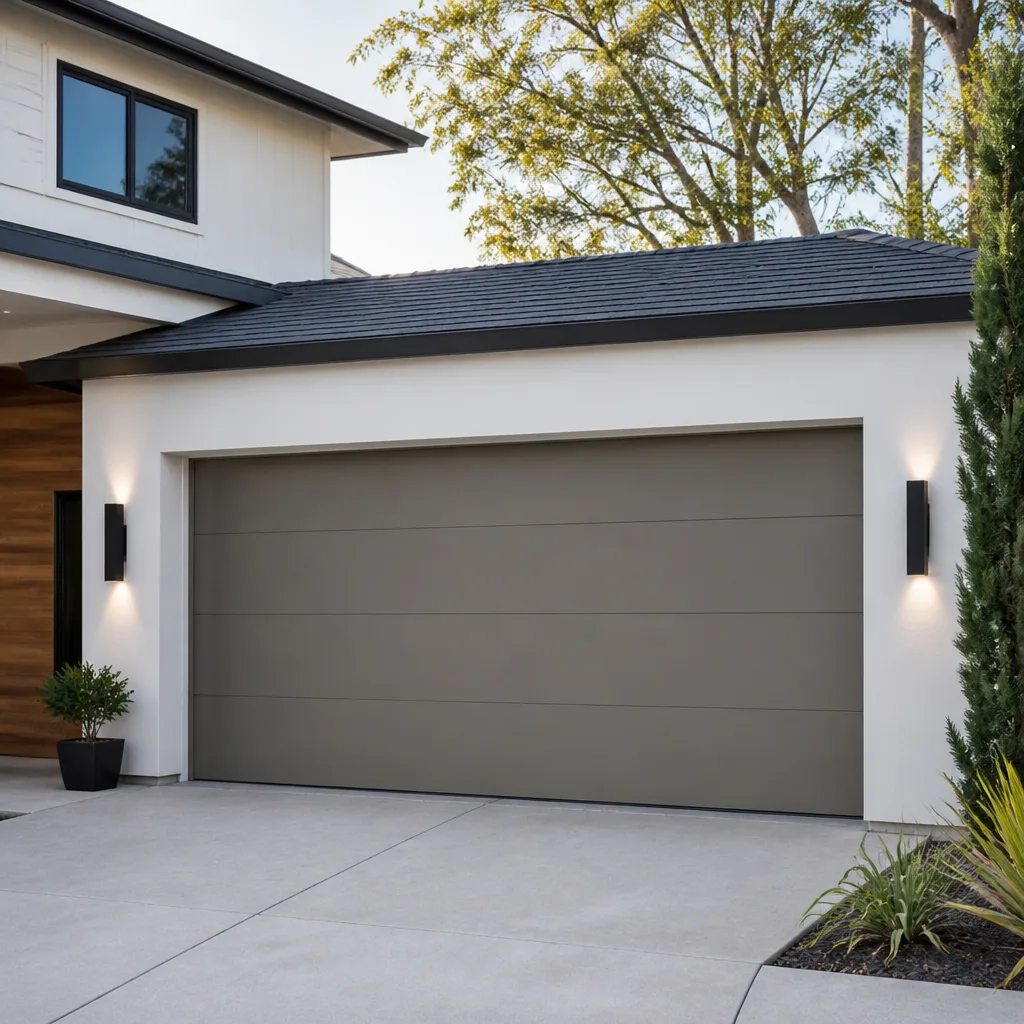 Modern flush
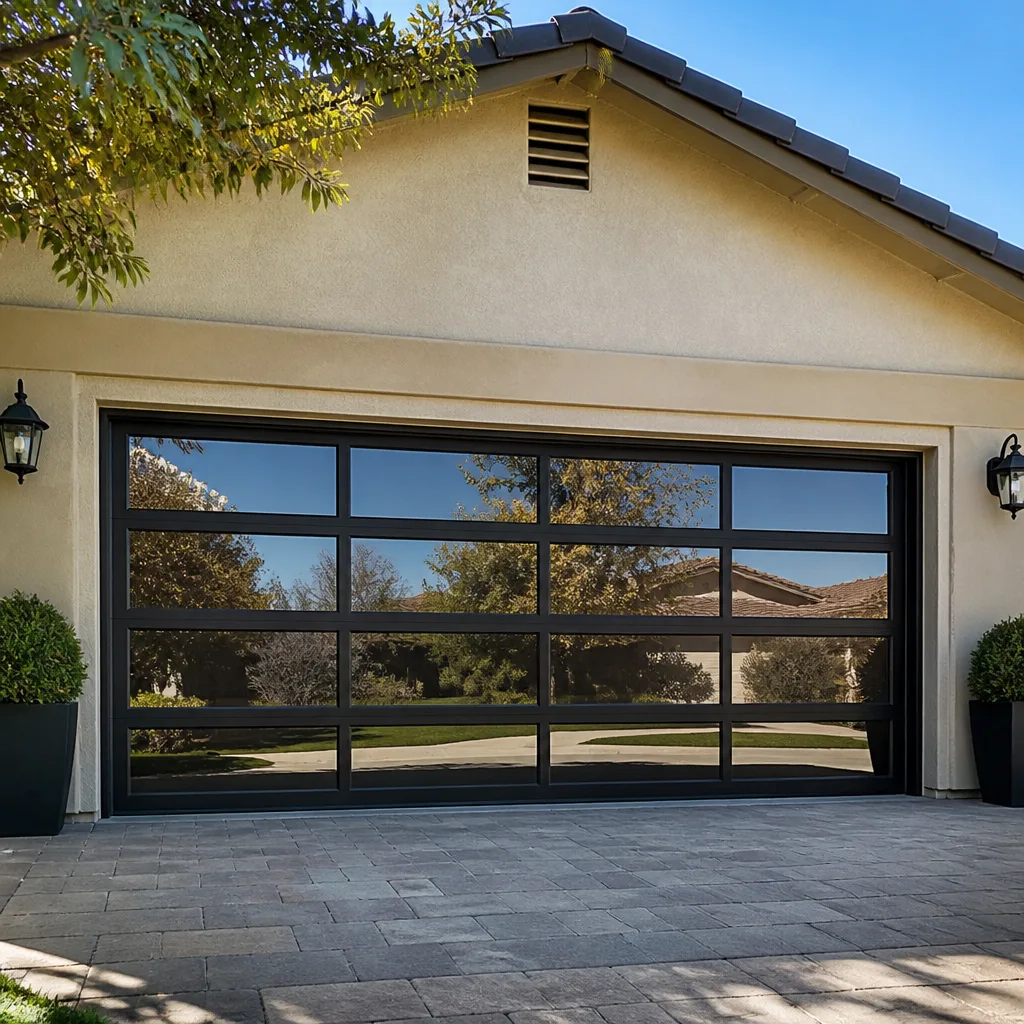 Full-view glass
 LiftMaster openers
 Chamberlain openers
Full 25-point door and opener safety check with every visit - springs, cables, rollers, tracks, and your LiftMaster or Chamberlain opener included
You get a price before we start. It does not change when the pro arrives.
Get your free estimateGarage Door Permits, Codes & Inspections in Richmond Hill, NY: What You Need to Know
In NYC, replacing a garage door with the same size door in the same opening often requires no permit at all – but widen the opening by two inches, change the fire rating of the assembly, or alter an egress path, and you’re in Department of Buildings territory. The line is thinner than most people realize. Every year we talk to Richmond Hill homeowners who assume a garage door swap is like changing a light fixture, and a smaller number who assume the opposite and brace for a filing they never needed. Both guesses cost time. This guide maps the exact NYC DOB triggers for garage door work – size changes, structural modifications, fire-rated assemblies – and explains what a Richmond Hill inspection actually covers, plus how to pass it on the first try.
Quick Answer
A like-for-like garage door replacement in Richmond Hill – same size, same opening, same fire rating – usually does not require a DOB permit. A permit is generally triggered when the work changes the size of the opening, modifies structural framing or the header, alters a fire-rated or fire-separation assembly, or affects an egress path from an attached dwelling. When a permit is required, the homeowner is the one who carries the risk if the filing is wrong or lapses. A licensed garage door professional can tell you which side of that line your job falls on before anyone orders a door.
Styles & brands we work with
- Raised-panel steel
- Carriage house
- Modern flush
- Full-view glass
- LiftMaster openers
- Chamberlain openers
Table of Contents
- What Actually Triggers a DOB Permit for Garage Door Work
- Fire Separation and Attached Garages in Queens Row Homes
- What “Like-for-Like” Really Means Legally
- Pulling the Permit Yourself vs. Letting a Contractor Do It
- What a Richmond Hill DOB Inspection Covers
- How to Pass a Garage Door Inspection on the First Visit
- Richmond Hill’s Housing Stock and Why It Matters
- What Code-Compliant Garage Door Work Typically Costs in Richmond Hill
What Actually Triggers a DOB Permit for Garage Door Work
The single biggest source of confusion in Richmond Hill is assuming that all garage door work is the same category of job. It isn’t. NYC treats a cosmetic swap and a structural change very differently, and the triggers below are where that split happens.
Work that generally does not require a DOB permit:
- Removing a door and installing another door of identical size in the same opening.
- Replacing springs, cables, rollers, hinges, or tracks without altering the opening’s dimensions.
- Replacing a garage door opener with another unit, or repairing one in place.
- Painting, sealing, or re-finishing an existing door.
- Replacing weatherstripping, bottom seals, or trim that doesn’t affect the structure.
Work that does typically require a permit and inspection:
- Enlarging or reducing the opening (even a few inches qualifies).
- Modifying the header or load-bearing framing around the opening.
- Replacing a rated fire-separation assembly with something else (or a door manufacturer change that voids the fire rating).
- Adding, moving, or removing a door that sits on a means-of-egress path.
- Turning a garage into a habitable room (which changes everything about the assembly, ventilation, and separation from the house).
If you’re unsure which bracket your job falls into, ask the DOB directly. A call to the department costs nothing. A stop-work order costs much more. We also get this question constantly during free estimates in Richmond Hill, and the answer depends almost entirely on what the door is set into – which brings us to fire separation.
Fire Separation and Attached Garages in Queens Row Homes
A large share of Richmond Hill’s housing stock is attached or semi-attached row homes where the garage is physically part of the dwelling. That layout exists for reasons that predate the modern resident – but under NYC Building Code, an attached garage has to be separated from the living space by a fire-rated assembly. The door between the garage and the house, and often the door that faces the outside of the garage, are part of that separation. So is any wall or ceiling assembly that separates the two.
For Richmond Hill, this matters in three practical ways:
- The house-to-garage door is usually a rated door, not a hollow interior door. Replacing it with a standard slab door is a code problem, not just a bad idea.
- An overhead garage door on a rated assembly has to maintain the rating, which can restrict the products you’re allowed to install. Not every Clopay, Amarr, or Wayne Dalton model in a catalog is compliant for a given install.
- The rating has to be labeled and documented for an inspector to see. A model number printed on the paperwork is often the evidence they want.
Because so much of Richmond Hill rides on attached row homes, this is the single biggest reason a door that would be permit-free in a detached suburban house lands in a formal filing here. If your home is one of the many where the garage wall shares a party line with a neighbor, treat the fire rating as a fixed constraint, not a nice-to-have.
We’ve seen installations get flagged not because the door was wrong but because the assembly’s fire rating couldn’t be proven. Nobody wants that call. If your install is heading toward a fire-rated opening, our team can walk you through what to specify – you can also review garage door installation for the process we use before anything is ordered.
What “Like-for-Like” Really Means Legally
The phrase “like-for-like replacement” gets used loosely in the trades. Legally, it means something specific: the new door matches the size, mounting, glazing arrangement, and – where relevant – the fire rating of the one being removed, and it does not alter the opening or any structural element. When all of that holds, the work typically doesn’t require a new permit.
Where like-for-like stops protecting you:
- Size creep. Going from an 8-foot opening to a 9-foot opening is a structural change. It isn’t like-for-like, and it triggers a filing.
- Materials changes. A steel door swapped for a wood door of the same size may still be fine in an unrated opening – but if the opening is rated, that material change can void the assembly.
- Opener and header changes. A new opener usually doesn’t need a permit. Cutting into the header to make a low-clearance opener fit does.
- Prior unpermitted work. If the previous owner widened the opening without a filing, your “like-for-like” replacement of that opening is now inheriting an existing violation. DOB doesn’t care who made the change.
Richmond Hill has a lot of prewar and postwar homes with garage openings that have gone through multiple generations of doors. We routinely recommend that homeowners check the certificate of occupancy before installing anything, because the filed drawings tell you what the opening is supposed to be – not what it currently is. When the two disagree, the filed drawing wins.
Pulling the Permit Yourself vs. Letting a Contractor Do It
Both routes are legal in NYC, but the risk profile is different. Understanding who carries what is where most homeowners get surprised.
Pulling the permit yourself is allowed under NYC rules for owner-occupied one- and two-family homes, and it saves the filing coordination. But you also take on the full responsibility for the filing being correct, the inspection request, the sign-off, and any correction notices that come back. If the paperwork doesn’t match the built work, that lands on you.
Letting a contractor pull the permit is more common for anything filed as construction work. The contractor handles the filing, inspection scheduling, and sign-off. Here’s the catch: if the contractor’s filing lapses, or the work deviates from what was filed, the violation still attaches to the property. The owner is the one who eventually sells the house with an open permit on the record.
What to insist on either way:
- Get the permit number in writing before work starts.
- Ask when the inspection is scheduled, and get it confirmed.
- Confirm the permit has been signed off before final payment.
- Keep the permit and sign-off in the home’s records – it matters at resale and refinance.
Richmond Hill homes turn over between generations and through refinance, and an open permit from a garage door project ten years back can hold up a closing. The cost of chasing a sign-off years later is far higher than the cost of confirming it while the wrapping paper is still on the floor. For any of this that involves replacing an opener or a linkage, garage door opener repair coverage is a useful reference on what proper documentation looks like.
What a Richmond Hill DOB Inspection Covers
A garage door inspection for a permitted install is narrower than homeowners expect and broader than some contractors treat it. What the inspector is there to verify, generally:
- The work matches the filed drawings – size, location, opening dimensions, and assembly type.
- Fire-rated hardware is actually rated – the door carries a label or documented model number matching the rated assembly.
- Structural elements are intact – header, framing, and any reinforcing specified on the drawings.
- Safety hardware is present and functioning – photo-eye sensors on the opener, and reverse-test compliance where applicable.
- Egress is not blocked where the door is part of an egress path.
What an inspector typically is not evaluating: cosmetic quality, whether the door matches your house visually, or how good the installation looks. That’s your job to check before final sign-off. Take photos of the assembly, the label on the door, and the opener install. If a question can be answered from photos during the visit, it’s been handled.
Where Richmond Hill inspections go sideways is usually one of two things: a rating label that can’t be located, or an opening dimension that doesn’t match the filed drawing. Both are caught before you place the inspection request when you have an installer who has done this before. If a door is off track or the assembly has been damaged, call us first – garage door repair can be scheduled to prep the assembly before an inspection walk-through.
How to Pass a Garage Door Inspection on the First Visit
First-visit passes come down to preparation, not luck. The list below is what we walk Richmond Hill homeowners through before any permitted install.
- Confirm the filed drawing matches the built work. Check opening width and height with a tape measure against the plans. A quarter-inch difference is usually fine; an inch is not.
- Have the rating label documented. If the assembly is fire-rated, photograph the label on the door and keep a copy of the submittal sheet.
- Test the safety reverse. Lay a 2×4 flat under the door and confirm it reverses on contact. Test the photo-eyes by blocking them and confirming the door will not close.
- Confirm the opener is labeled and wired per code. Any new opener should be mounted with its own protection, and the manual release should be functional.
- Clear the egress path. Nothing stored in front of a door that’s part of a means-of-egress path.
- Have the permit on-site. The inspector will ask for it. Keep a copy in the garage.
When we handle an install on any of the major brands we service – including Amarr, Wayne Dalton, and others – we walk these six points before the inspection is requested. If they’re all green, the visit is short. If any are open, we close them first. That’s the whole difference between a first pass and a correction notice.
Richmond Hill’s Housing Stock and Why It Matters
Two features of the Richmond Hill built environment make garage door code more consequential here than in a typical American suburb.
The first is attached construction. Much of the neighborhood’s row stock was built with the garage physically integrated into the house – sometimes under the second floor, sometimes sharing a party wall. Fire separation is not an option to skip when the door is part of the barrier between the car and the people sleeping above it. This is a structural line, not a design preference.
The second is driveways and openings sized to a different era. A Richmond Hill garage opening may be narrower than what a modern manufacturer’s standard catalog can fit without a custom door, and a residential driveway may not give a full-size delivery truck much room to maneuver. That affects installation day but it also affects the permit: a too-narrow opening can tempt a homeowner to widen it. Don’t. Widening is the exact change the DOB filing exists to catch.
What this means practically, block by block: the same physical door that lands in the “no permit required” bucket on a detached house with a wide driveway may land in “permit required” two streets over in Richmond Hill, simply because the opening is rated or the width isn’t standard. The only way to know is to look at the filed drawings and physically measure the opening. That’s the whole reason we don’t quote an install over the phone without seeing the opening first.
What Code-Compliant Garage Door Work Typically Costs in Richmond Hill
Garage door work in Richmond Hill splits into three cost categories under code, and the ranges below are typical estimates. The written estimate you receive after we measure the opening is the final price. That’s the only number that matters.
- Like-for-like door replacement (no permit): $1,100 to $2,800, depending on door material, size, and whether opener hardware is reused.
- Permitted install with an assembly change: $2,400 to $4,900, including filing coordination and inspection scheduling.
- Spring replacement: $180 to $340 per spring; a matched pair is usually replaced together, so a pair runs about twice that.
- Opener replacement or repair: $140 to $560, depending on the unit and whether wiring work is included.
- Fire-rated door upgrade on a rated opening: $1,600 to $3,600, depending on the required rating and door type.
Fees the DOB charges for the filing itself are separate from the installation and vary with the scope of work. Ask for the paperwork breakdown in writing so you can see what’s the work and what’s the filing. If a damage issue is what’s pushing you toward replacement, our Garage Door Repair Richmond Hill team can help you decide whether repair or replacement is the smarter call – and that includes the permit question.
One thing we insist on: the price is quoted and agreed before any work starts. There is no “we’ll see” tier of garage door work in Richmond Hill that ends well. The estimate is free, the range is honest, and the written estimate holds.
Common Mistakes to Avoid
- Assuming a replacement always needs a permit. Many like-for-like swaps don’t. Filing a permit you didn’t need wastes weeks and money – and it’s the more common error than skipping one.
- Assuming a replacement never needs a permit. The flip side. Any size change, structural alteration, or rated-assembly change is a filing.
- Widening an opening “just an inch.” An opening is structural. An inch may be enough to trigger a filing, and it definitely changes what doors fit.
- Replacing a rated garage-to-house door with a hollow slab. That’s a fire-separation violation, whether or not it’s caught on inspection.
- Letting a contractor pull the permit without confirming sign-off. The open permit attaches to the property, not to the contractor. At resale it’s the homeowner’s problem.
- Not keeping the permit paperwork. Richmond Hill deeds circulate slowly. Documentation that lives with the house saves the next owner – possibly you – a headache.
- Ordering a door before measuring the opening against the filed drawings. A right-size door in a wrong-size opening is an expensive return, and it’s usually avoidable in ten minutes.
See the difference
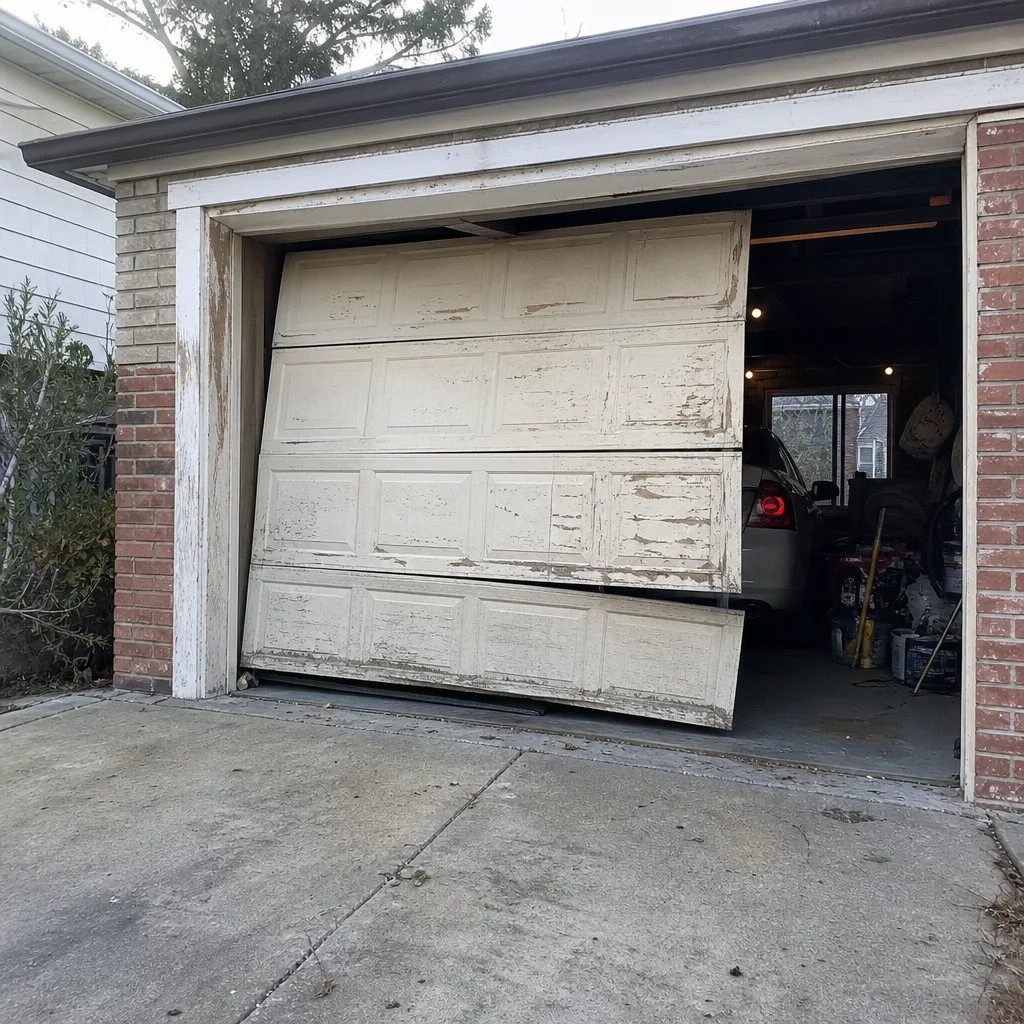 Before
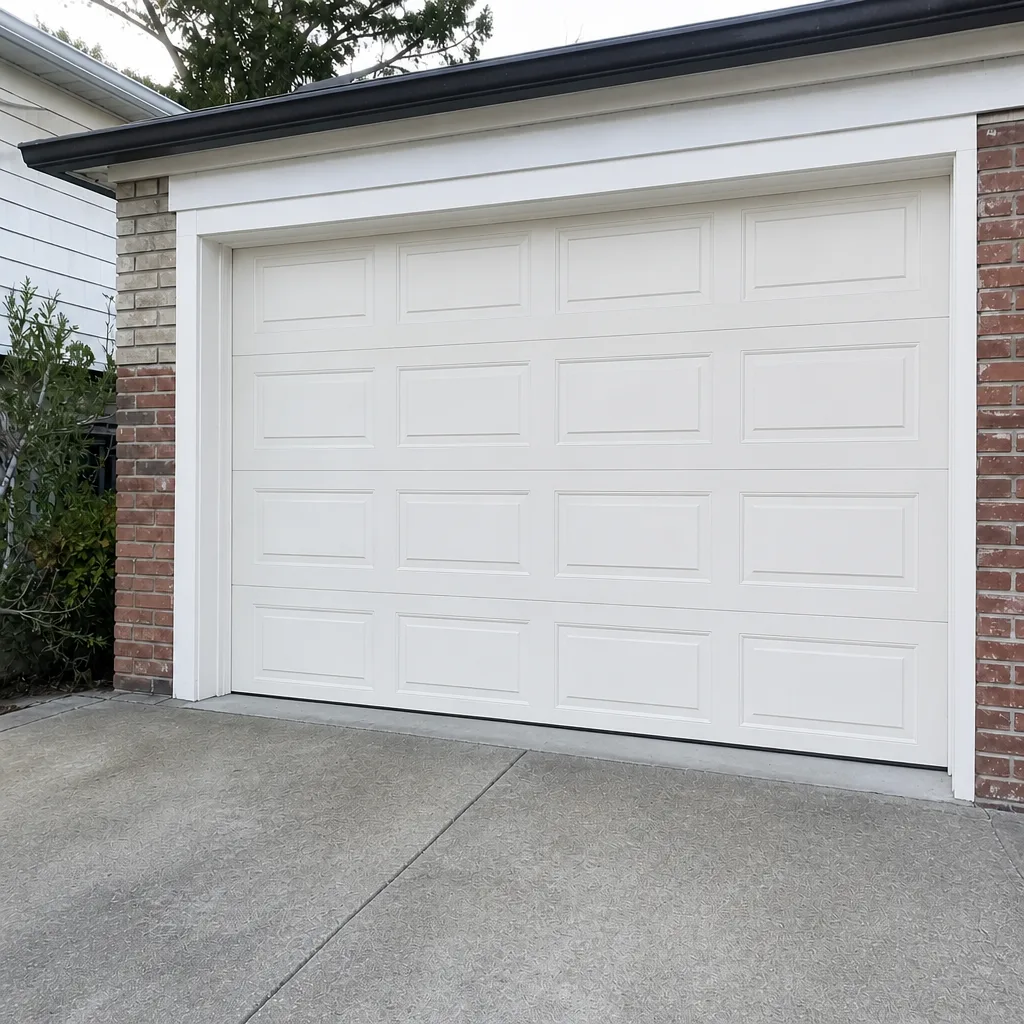 After
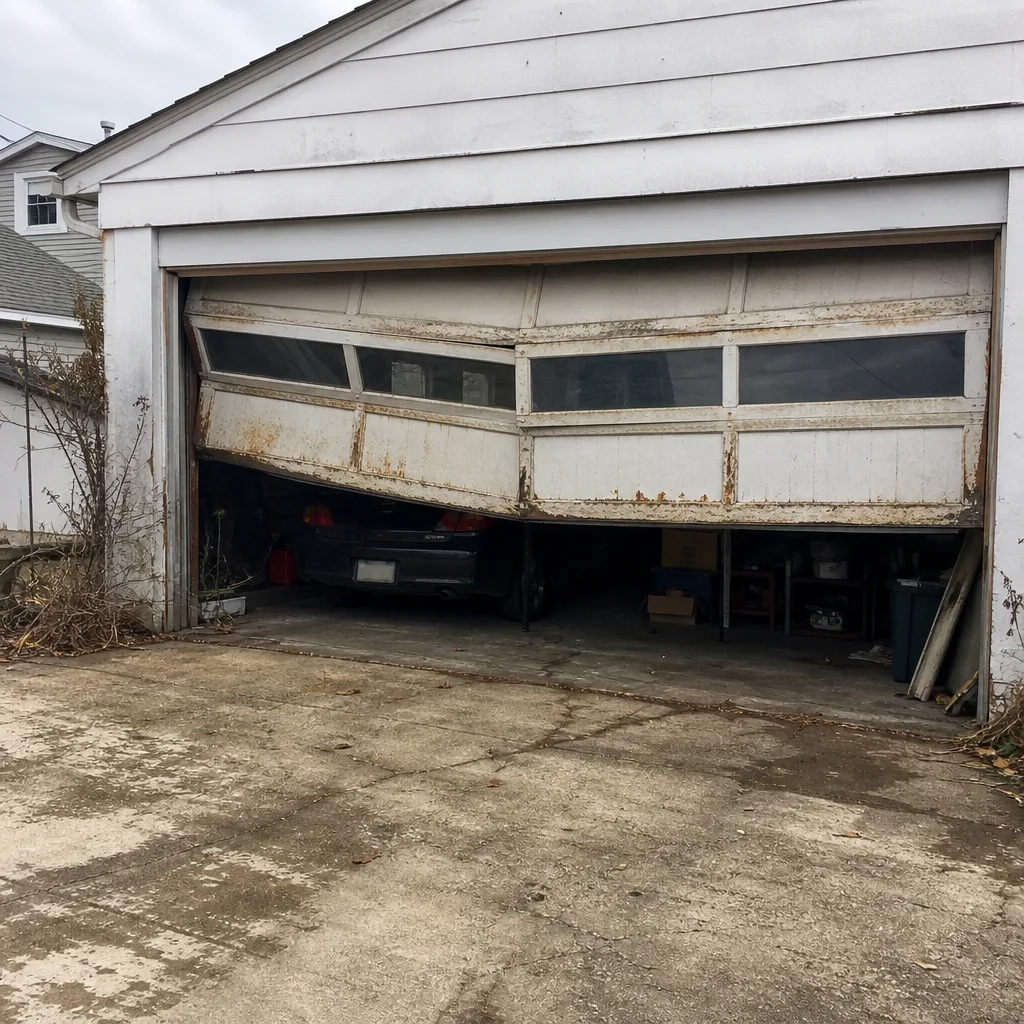 Before
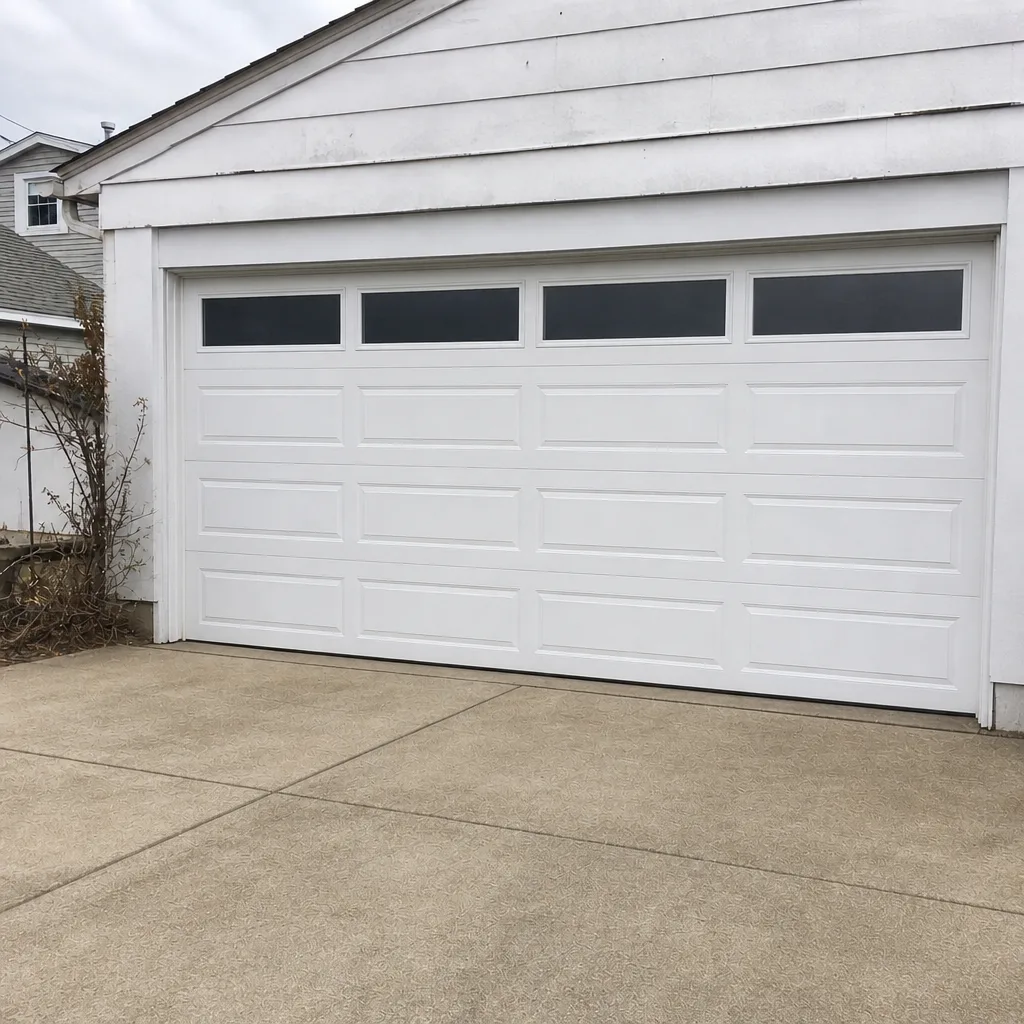 After
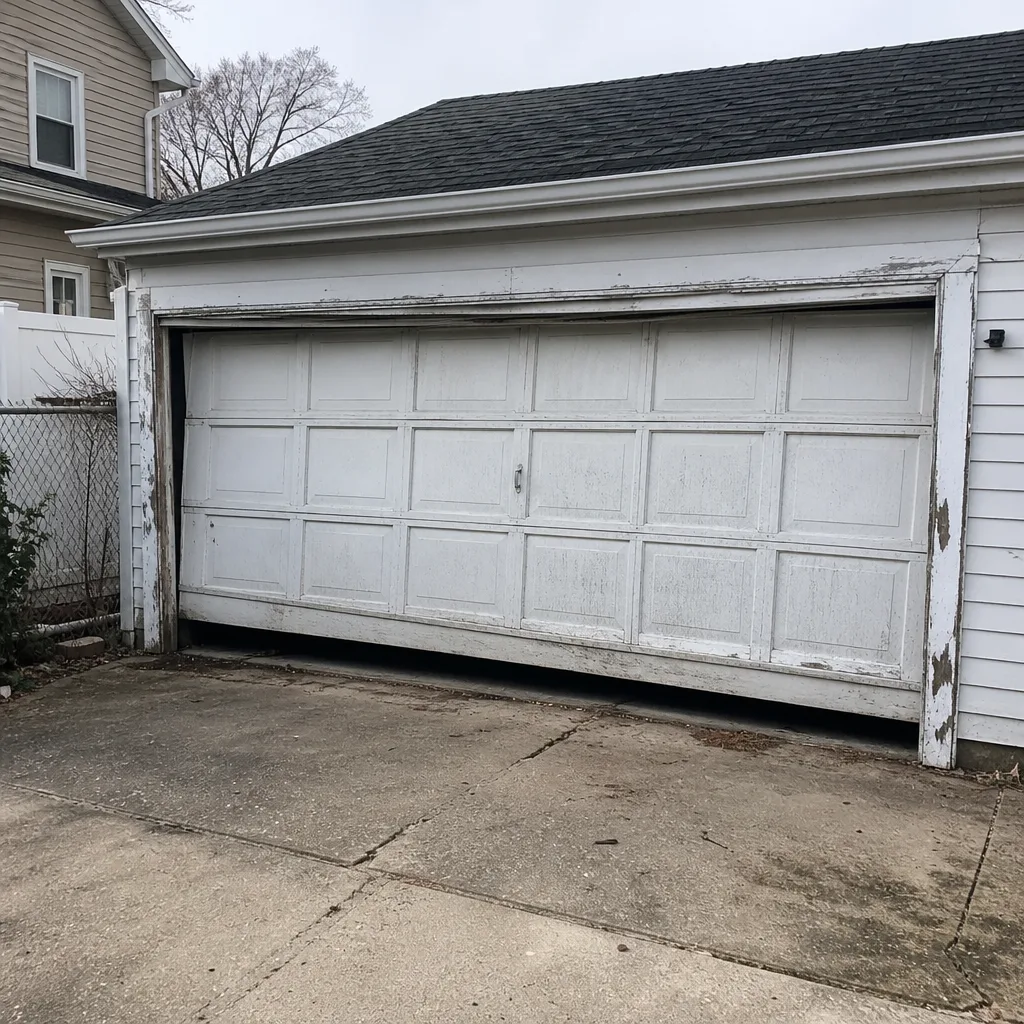 Before
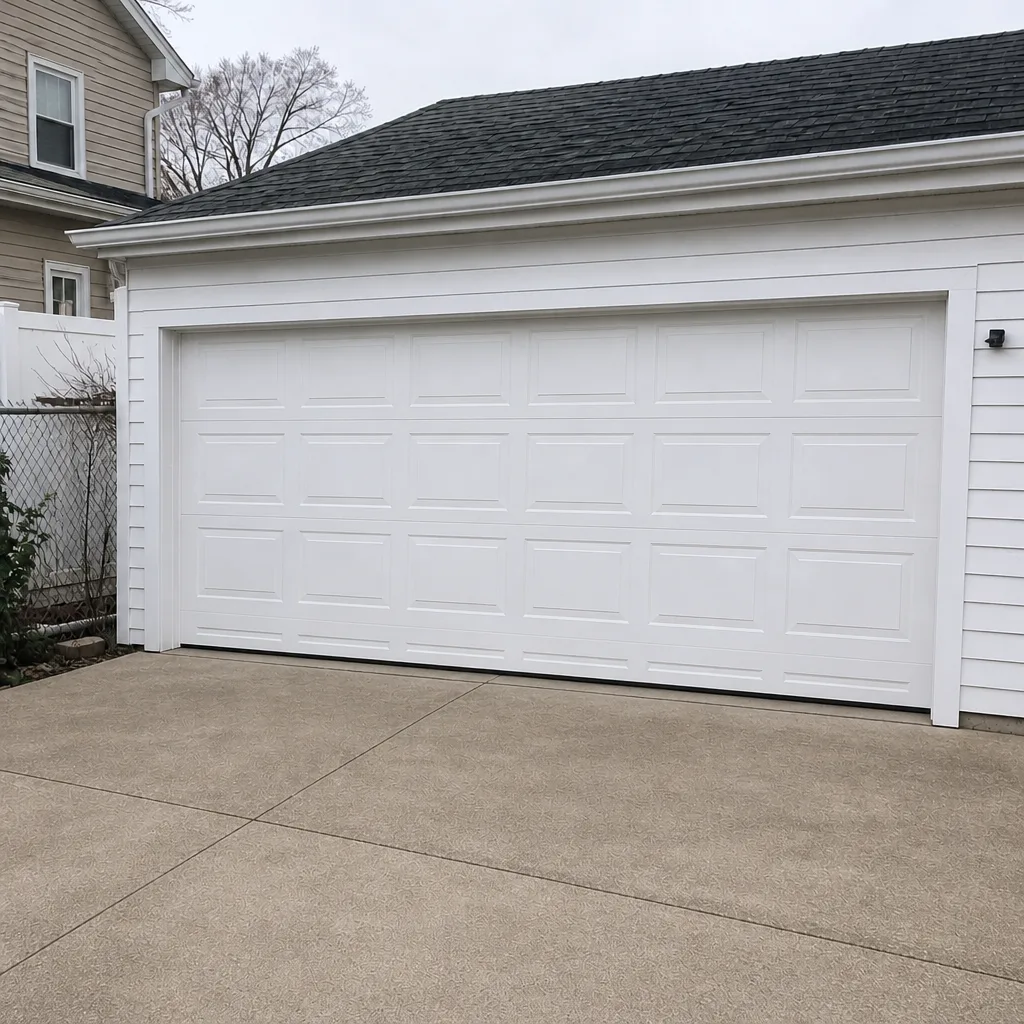 After
When to Call a Professional
Call a professional for anything that involves the opening itself, the spring or torsion assembly, or a fire-rated barrier. Springs are the highest-risk component on any garage door – a wound torsion spring stores enough force to cause serious injury, and we don’t recommend homeowners touch them. The same goes for cut-in structural work, header modifications, and installations on a rated assembly where a mistake voids the fire separation. That’s not a handyman-sized job. Our technicians have up to 12 years of experience and handle spring work, opener diagnostics, installs, and code-aware installs on Genie, LiftMaster, Chamberlain, Clopay, Amarr, Wayne Dalton, Craftsman, and Raynor systems. Garage Door Repair Richmond Hill offers free estimates in Richmond Hill – call (833) 508-9368. We answer 24/7. Fast dispatch from 7am to 7pm, Sunday through Friday.
Frequently Asked Questions
Usually no, if the new door matches the old one in size and the opening is otherwise unchanged. A permit is generally required when the opening size changes, structural framing is modified, a fire-rated assembly is altered, or an egress path is affected. Call (833) 508-9368 for a free estimate and we’ll tell you which side of the line your job is on.
Most garage door inspections take under an hour on-site when the paperwork and the built work match. The delay is rarely the visit itself; it’s the correction cycle when something doesn’t match the filed drawings. Have the permit on-site and the label documented to keep it short.
No. On a fire-rated assembly, the replacement door must maintain the rating of the assembly it’s part of. A same-size door without the required rating is a violation even if it looks identical. Check the label and the submittal sheet before you order. Call (833) 508-9368 – we can identify what your opening requires.
The homeowner, in the end. The permit attaches to the property, not to the contractor, and it will show up at refinance or resale. Confirm the sign-off in writing before final payment. If you’re in that situation now, call and we’ll walk through the path forward.
An opener swap in a residential garage usually doesn’t require a permit. Cutting into the header to fit a low-clearance opener, or rewiring a dedicated circuit, can change that. When in doubt, ask the DOB directly. For the opener work itself, call (833) 508-9368 – estimates are free.
The door and hardware can technically be installed by a homeowner, but the spring assembly is where we strongly advise against DIY – wound springs and cables under tension cause serious injuries, and a door on a rated opening is not something to sort out without code knowledge. For anything involving springs, torsion, or a rated assembly, bring in a trained professional. Call (833) 508-9368 to schedule.
The Bottom Line
The permit question in Richmond Hill comes down to three yes/no checks: does the opening change, does the structure change, does the fire separation change? If all three are “no,” you’re likely in like-for-like territory and no filing is needed. If any one is “yes,” plan for a permit, an inspection, and signed-off paperwork in the home’s records. Confirm who is pulling the permit and who is confirming the sign-off – those are the two places homeowners get stuck. And never touch a spring to save a service call. Call (833) 508-9368 for a free estimate. We answer 24/7. Fast dispatch from 7am to 7pm, Sunday through Friday.
Written by the team at Garage Door Repair Richmond Hill.