
Last updated November 21, 2026
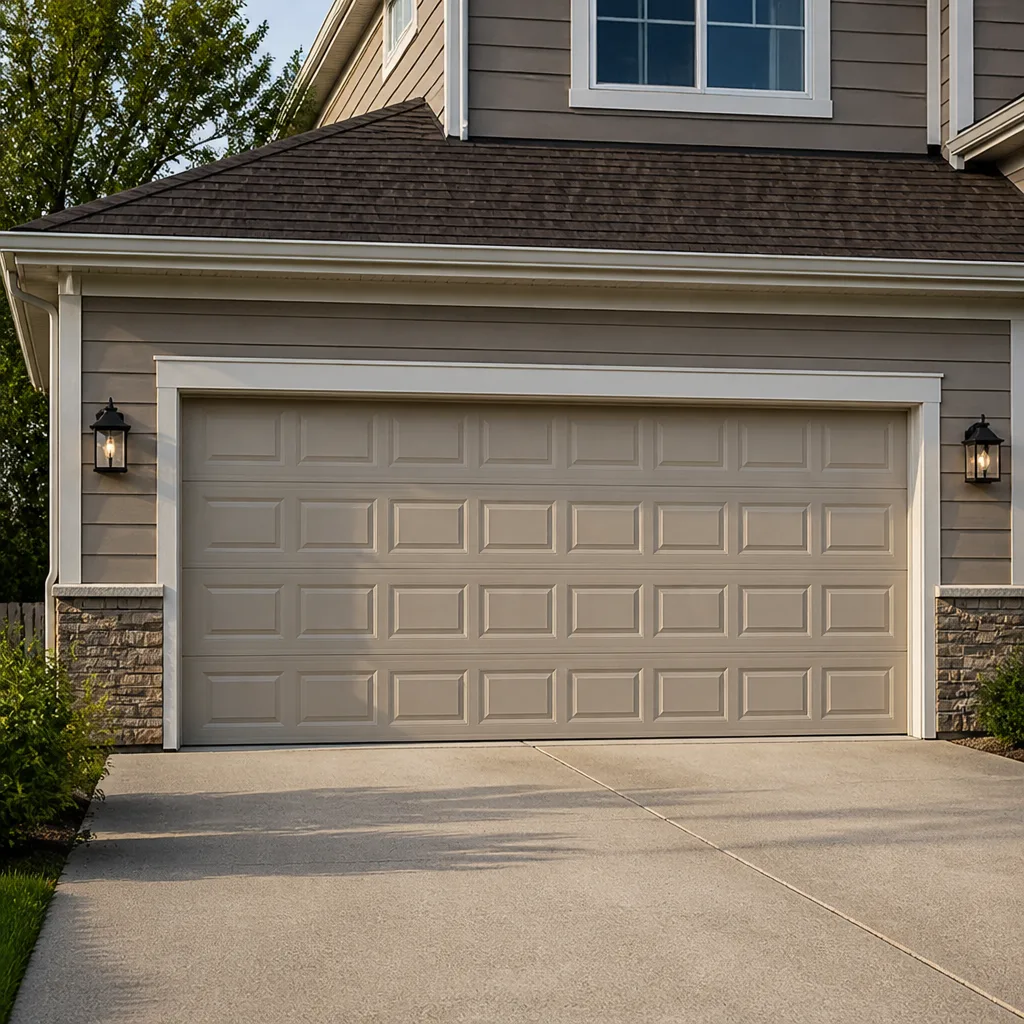 Raised-panel steel
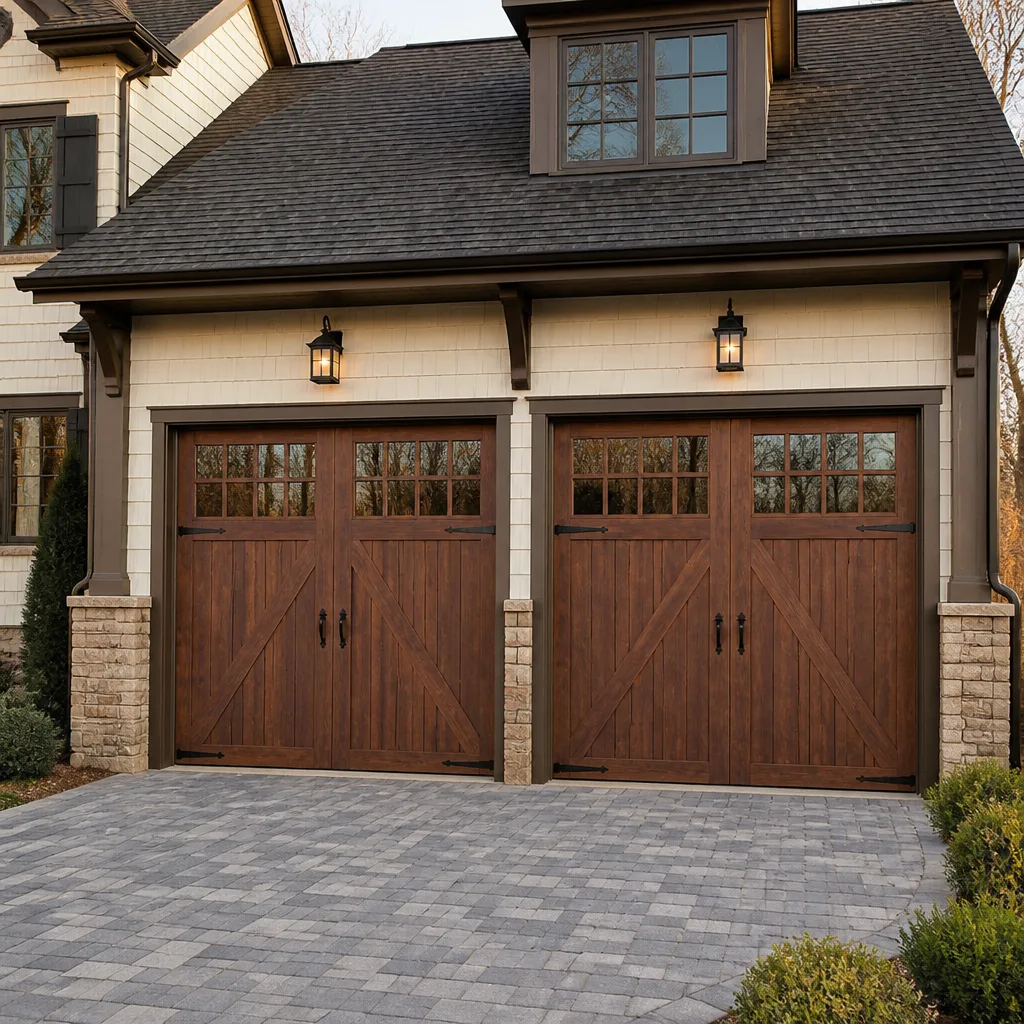 Carriage house
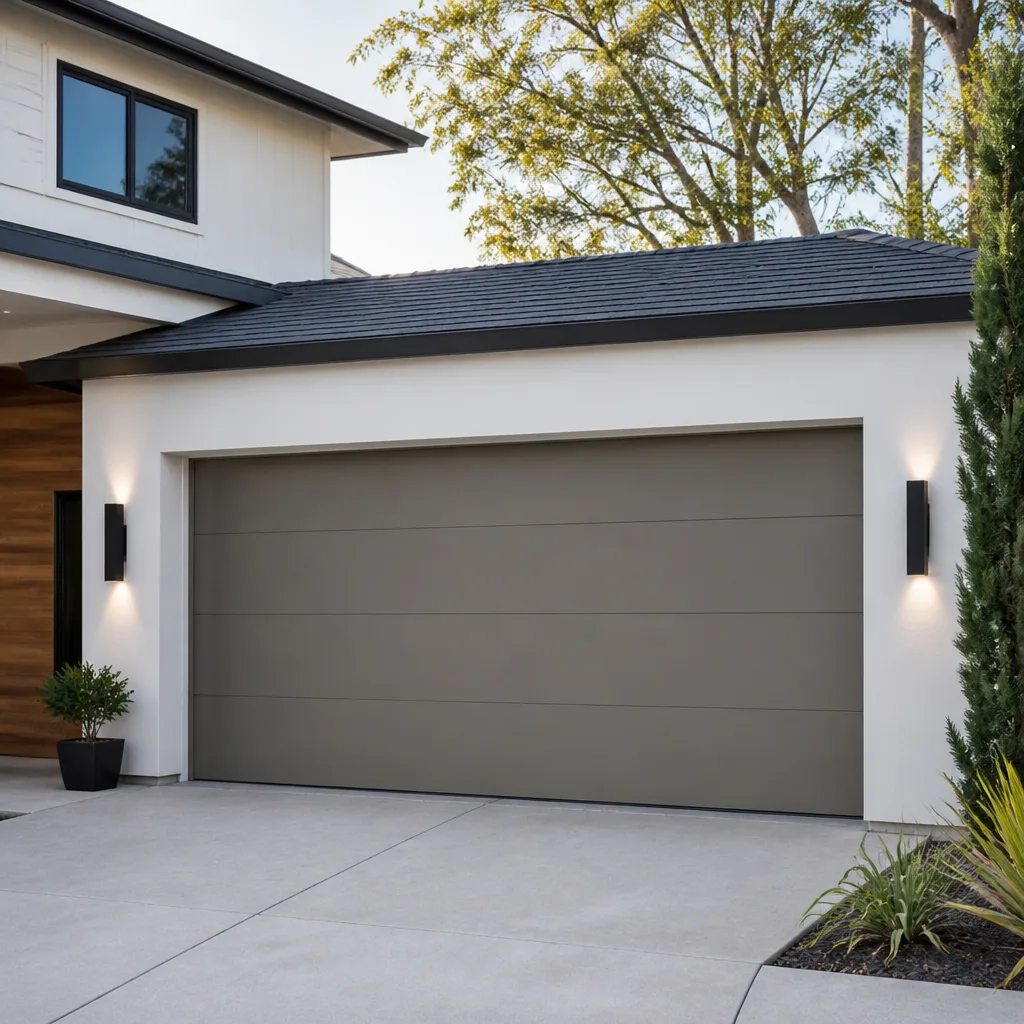 Modern flush
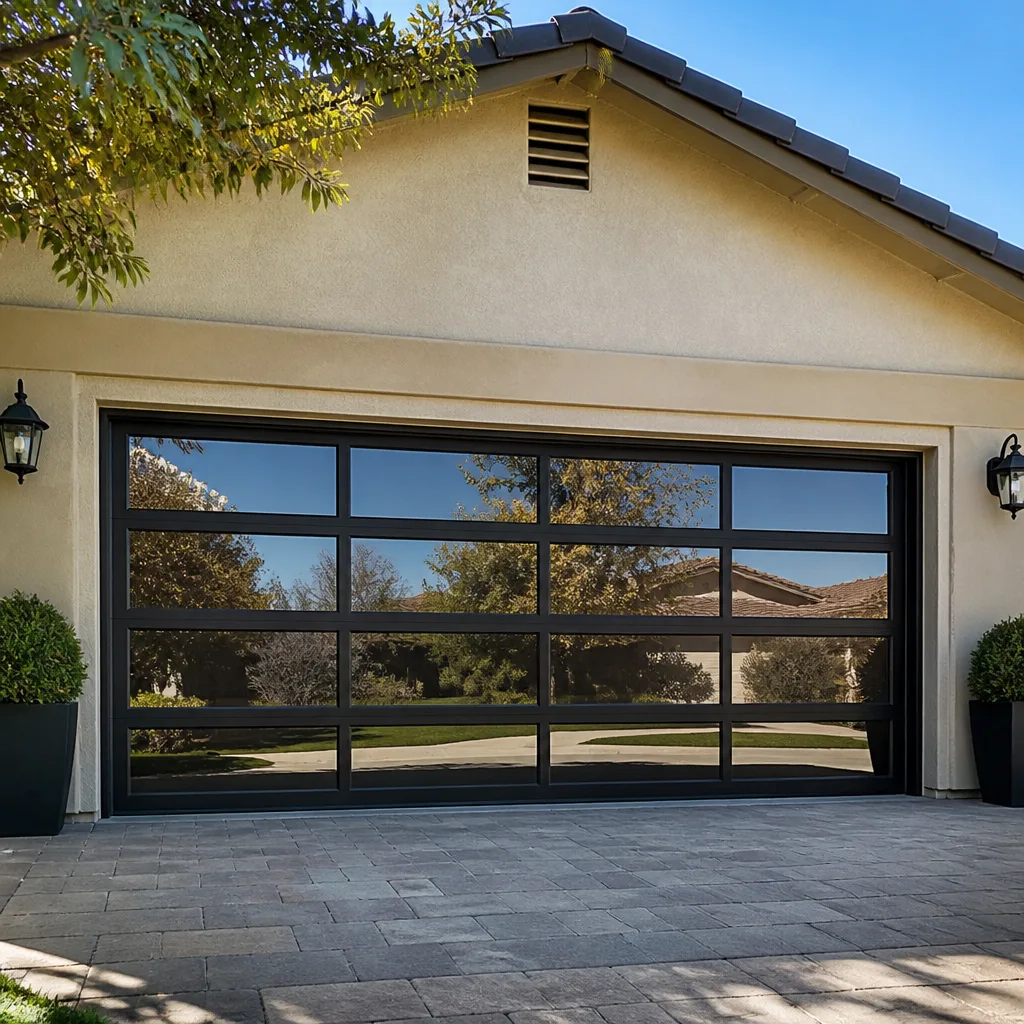 Full-view glass
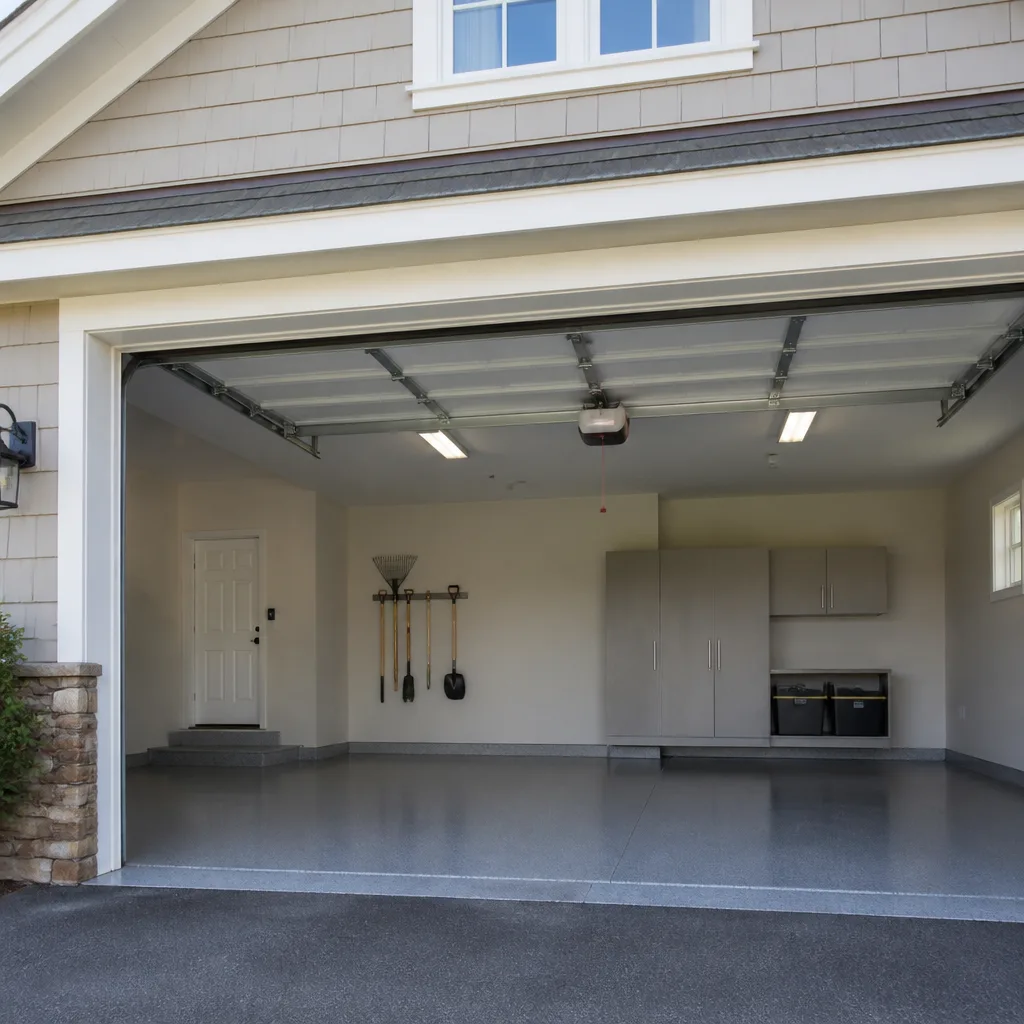 LiftMaster openers
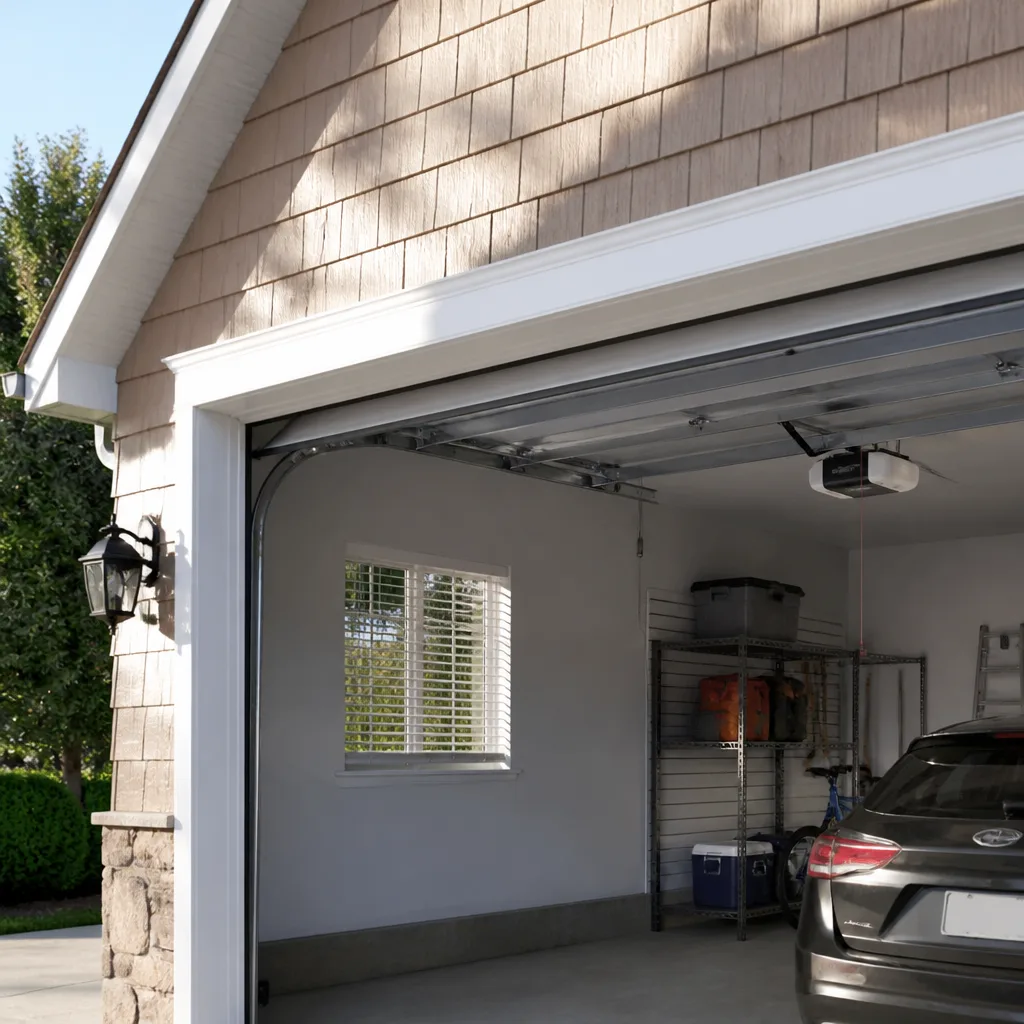 Chamberlain openers
Full 25-point door and opener safety check with every visit - springs, cables, rollers, tracks, and your LiftMaster or Chamberlain opener included
You get a price before we start. It does not change when the pro arrives.
Get your free estimateThe Complete Guide to Garage Doors in Richmond Hill
Most homeowners think of their garage door as one big moving object. It isn’t. It’s seven separate systems working in sequence, and nearly every “the door is broken” call we take comes down to one of those systems failing while the other six are still fine. The average door cycles about 1,500 times a year, more than your front door sees in a decade. Knowing which part does what, and how they lean on each other, is the difference between a small targeted repair and a bill for a whole new door. This guide walks through all seven components, the failure patterns we see across Richmond Hill’s row-home architecture, the brands actually installed in Queens, and the repair-or-replace decision that trips up most people.
Quick Answer
A garage door is a system of seven parts: torsion or extension springs, lift cables, tracks, rollers, the opener, the door panels, and the weatherseal at the bottom. Springs and openers cause the most failures, tracks and rollers the most noise, and weatherseals the most drafts. In Richmond Hill, attached-garage row homes add headroom and clearance limits that change which doors and openers fit, so diagnosis has to start with the building, not the brochure.
Styles & brands we work with
- Raised-panel steel
- Carriage house
- Modern flush
- Full-view glass
- LiftMaster openers
- Chamberlain openers
Table of Contents
- The Seven Systems Inside Your Garage Door
- Why Richmond Hill Row Homes Break Differently
- The Brands Actually in Queens Garages
- Which Parts Fail First, and How Often
- Repair or Replace: The Decision Tree
- NYC Permits: Replacement vs. Repair
- Seasonal Care Through a Richmond Hill Year
- Springs and Cables: What You Should Never Touch
The Seven Systems Inside Your Garage Door
Every sectional garage door, from a basic single-car panel in Richmond Hill to a wide double-car door, runs on the same seven-part architecture. Each part has one job, and each has a predictable failure mode. Understanding them separately is how you avoid paying to replace a whole door when only one component is worn out.
Here’s the map, top of the door to bottom:
- Springs. Either torsion (mounted on a shaft above the door) or extension (running along the sides). Springs do the lifting, storing energy so the opener doesn’t have to. They’re the highest-stress part and the most common failure point.
- Lift cables. Steel cables that connect the bottom of the door to the spring system. They carry the door’s weight and are under constant tension.
- Tracks. The vertical and horizontal rails the door rides on. Bent tracks force rollers out of alignment and jam the door.
- Rollers. The wheels that ride inside the tracks. They wear out, get noisy, and eventually seize.
- The opener. The motor and rail assembly that drives the door up and down. It’s the most electronically complex part and the one most tied to brand.
- The door panels. The visible surface, usually steel, aluminum, or wood-look composite. Dents, rot, and panel separation are common over time.
- The weatherseal. The rubber or vinyl strip along the bottom, plus side and top seals. It’s the cheapest part and the one most ignored.
When something breaks, we always start by asking which of the seven failed, because the answer changes the entire repair. A seized roller is a quick fix. A snapped spring with a bent track behind it is a bigger job. If you’re already sure something’s wrong and want it looked at, our Garage Door Repair Richmond Hill page covers how to book a diagnostic visit.
Why Richmond Hill Row Homes Break Differently
Richmond Hill is dominated by attached and semi-attached row homes, many built in the mid-20th century, and that building style shapes garage door problems in ways a suburban guide will never mention. The garage shares walls, ceiling space, and often a driveway approach with the neighbor. That creates three practical constraints.
Headroom. Torsion springs need vertical clearance above the door for the shaft and drums. In older Richmond Hill row homes, the garage ceiling is often low and shared with the floor framing above. If clearance is tight, the door may have been fitted with extension springs instead, or a low-headroom torsion setup. When you replace the door or opener, that ceiling height decides what actually fits. A salesperson who ignores it will sell you a door that doesn’t open.
Depth. The horizontal tracks need to run back into the garage a set distance, usually door height plus a margin. In a shallow Richmond Hill garage, a standard-track opener won’t clear the back wall. That’s when a wall-mount or jackshaft opener makes more sense than a ceiling-hung unit.
Shared structure. Because the garage wall is often a party wall, vibration from a worn, noisy door travels into the house. A door that rumbles through the upstairs bedroom is usually telling you the rollers or tracks need attention, not that the whole door is done.
These are the reasons we assess the building before recommending hardware. The right answer in a wide suburban garage is often the wrong answer in a Richmond Hill row home.
The Brands Actually in Queens Garages
Walk through any Richmond Hill block and you’ll see the same handful of names on the hardware. Three dominate. LiftMaster openers are by far the most common on driveways here, with Chamberlain right behind (they share engineering under the same parent, though the models differ). Clopay door sections are everywhere on the steel-panel doors that line Queens streets. Wayne Dalton shows up regularly too, especially on slightly newer installs and where a homeowner wanted a wood-look finish without the upkeep of real wood. Craftsman openers turn up on plenty of older units, and Raynor and Amarr are both present, Amarr more on the newer insulated doors.
What this means for you is simple: parts availability is not a problem if your door is one of the common brands, but the right diagnosis depends on knowing that specific hardware. A LiftMaster opener with a frayed belt behaves differently from a Craftsman chain-drive unit with a stripped gear. We work on the brand already in your garage, which means technicians arrive familiar with the exact opener, spring type, and panel design that’s already on the house instead of guessing from the outside.
If you’re chasing an opener problem, our garage door opener repair page is the fastest route. If you’re pricing a new door, garage door installation covers what the process involves and what to expect before ordering.
Which Parts Fail First, and How Often
Not all seven systems wear at the same pace. Ranked by how frequently we see them fail in Richmond Hill homes, from most to least common:
- Springs. The most frequent failure, and the one that most often triggers an emergency call. A torsion spring is typically good for a set number of cycles rather than years, and heavy use shortens that window. When one spring of a matched pair goes, the other usually isn’t far behind.
- Openers. The second most common. Logic boards, gears, belts, and safety sensors all fail, and older radio-frequency units get harder to pair with modern remotes.
- Rollers. Cheap to replace, easy to ignore. When they wear out they get loud, and a seized roller can bend a track.
- Tracks. Usually damaged rather than worn, often by a car bumper or a door that jumped track after a spring failure.
- Cables. Fail less often than springs but fail suddenly, and a snapped cable usually accompanies a spring failure.
- Panels. Dent from impacts, rot on wood-look composites, or separate at the hinges on older doors.
- Weatherseal. The slowest failure and the quietest. A worn bottom seal lets in drafts, water, and pests, and it’s the cheapest part on the door.
If your door is making noise or moving unevenly, the odds are you’re looking at one of the top three. Our garage door repair team can tell you which part is at fault before anything is replaced.
Repair or Replace: The Decision Tree
This is the decision that separates a sensible homeowner from one who pays twice. Repair is the right call when the door’s structure is sound and one or two systems are worn. Replacement makes sense when the door has crossed its economic threshold and repairs start stacking up. Here’s how we walk through it:
- Is the door structurally sound? If the panels are solid, the track isn’t bent beyond straightening, and the frame isn’t rotted, repair is almost always the better value.
- How many systems need work? One or two failing parts is a repair. If four or five are failing at once, the cumulative cost approaches replacement.
- Is the opener near the end of its life? An older unit that’s been repaired twice is often better replaced than repaired again, especially when a modern opener, including a LiftMaster or Chamberlain, adds safety features the old one lacks.
- Does the repair extend meaningful life? A new spring on a structurally sound door buys you years of service. A new spring on a door with warped panels and a bent frame is money poured into a door that’s already past its threshold.
- Is now the moment to change the look? If you’re planning to sell or update the exterior anyway, replacement makes financial sense in a way repair alone doesn’t.
We don’t push replacement when a repair does the job, and we don’t repair a door that’s on its last legs just to bill you twice. If you’re unsure which side of the line you’re on, ask us for an honest read. Estimates are free.
NYC Permits: Replacement vs. Repair
Here’s a distinction most garage door guides skip entirely: in Queens, replacement and repair are treated differently when it comes to permits and code. A straightforward repair, replacing a spring, a roller, a cable, or an opener, is generally maintenance and doesn’t trigger a permit. A full door replacement is construction work, and NYC Department of Buildings requirements can apply depending on the scope and the structure around the opening. That’s a meaningful gap, and homeowners get caught by it because the two look similar from the outside.
The practical rule is to ask. Before committing to a replacement in Richmond Hill, call your local building department and confirm whether your specific job needs a permit, what the inspection process looks like, and whether the door’s design, safety features, and dimensions affect the answer. We don’t guess at code requirements, and neither should anyone who’s about to take your money.
A good installer will tell you up front which category your job falls into. If a quote for a replacement doesn’t mention permits at all, that’s a question worth asking before you sign anything.
Seasonal Care Through a Richmond Hill Year
Richmond Hill’s weather swings between humid summers and freezing winters, and each season stresses a different part of the door. A little attention through the year keeps small problems from becoming spring failures in January.
Spring and fall. The best times to look at the door from the ground. Check the bottom seal for cracks, test the safety reverse feature, and listen for new grinding at the rollers. These are the mild months with the most room for routine work.
Summer. Heat and humidity make steel expand and can warp wood-look panels. Gaps that open up are usually cosmetic but worth noting.
Winter. Cold contracts metal and stiffens lubricant, which is why the loudest door complaints come in the deep cold. If the door sounds worse in winter, the rollers and hinges need lubrication, not a new door.
A yearly visual check on all seven systems takes a few minutes and heads off most surprise failures. What it doesn’t fix is the spring system; that part stays off-limits to homeowners, and the next section explains why.
Springs and Cables: What You Should Never Touch
Springs and cables are the parts we won’t let a homeowner touch under any circumstances. Not because we want the job, but because they’re genuinely dangerous. A torsion spring under load holds enough stored energy to seriously injure someone, and a door with a snapped spring can drop without any warning. Every year, home improvement attempts involving springs end badly.
If a spring has broken, the safest thing you can do is keep the door closed and call a trained professional. Do not attempt to wind or unwind a spring, do not cut a cable to relieve tension, and do not run the opener while a spring is broken; the opener will strain against the full weight of the door and often fails too. Our garage door repair team handles springs with proper winding tools and a controlled setup, which is what the job requires.
The same principle applies to the electrical side of an opener. If you suspect a wiring or power issue, leave it to a trained technician. A small repair is never worth a serious injury.
Common Mistakes to Avoid
- Replacing the door when the spring is the problem. A door that won’t lift often looks like a door that’s died, but nine times out of ten the spring is the culprit. Diagnose the springs before you consider replacing anything.
- Ignoring a broken spring because “the opener still works.” Running the opener against the dead weight of a door with a broken spring overloads the motor and turns a spring job into a spring plus opener job.
- Ordering a door before checking headroom. In a low-ceiling Richmond Hill row home, the door you want may not physically fit the track setup. Measure before you order.
- Assuming a new door needs no permit here. In Queens, replacement work is treated differently from repair work. Ask your local building department before you commit.
- Trying to fix a spring yourself. Springs and cables are the one part of the door that should always be handled by a trained professional with proper tools. This isn’t a warning we put on the page for show.
- Choosing a brand by name alone. A well-installed door in a modest brand beats a poorly fitted door in a premium one. The installer’s assessment of your garage matters more than the logo on the box.
- Waiting until winter to fix a noisy door. Noise is cheap to fix in the fall and expensive when the cold turns it into a track problem.
See the difference
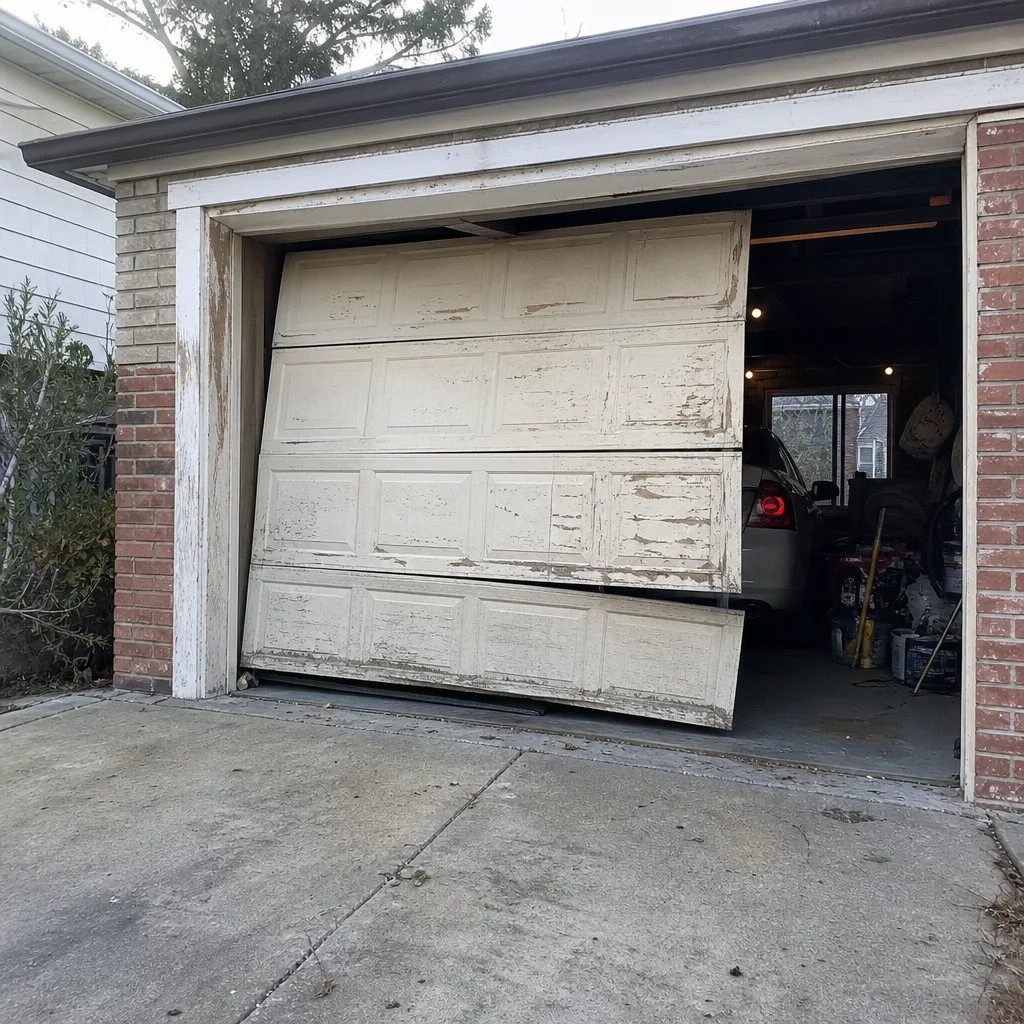 Before
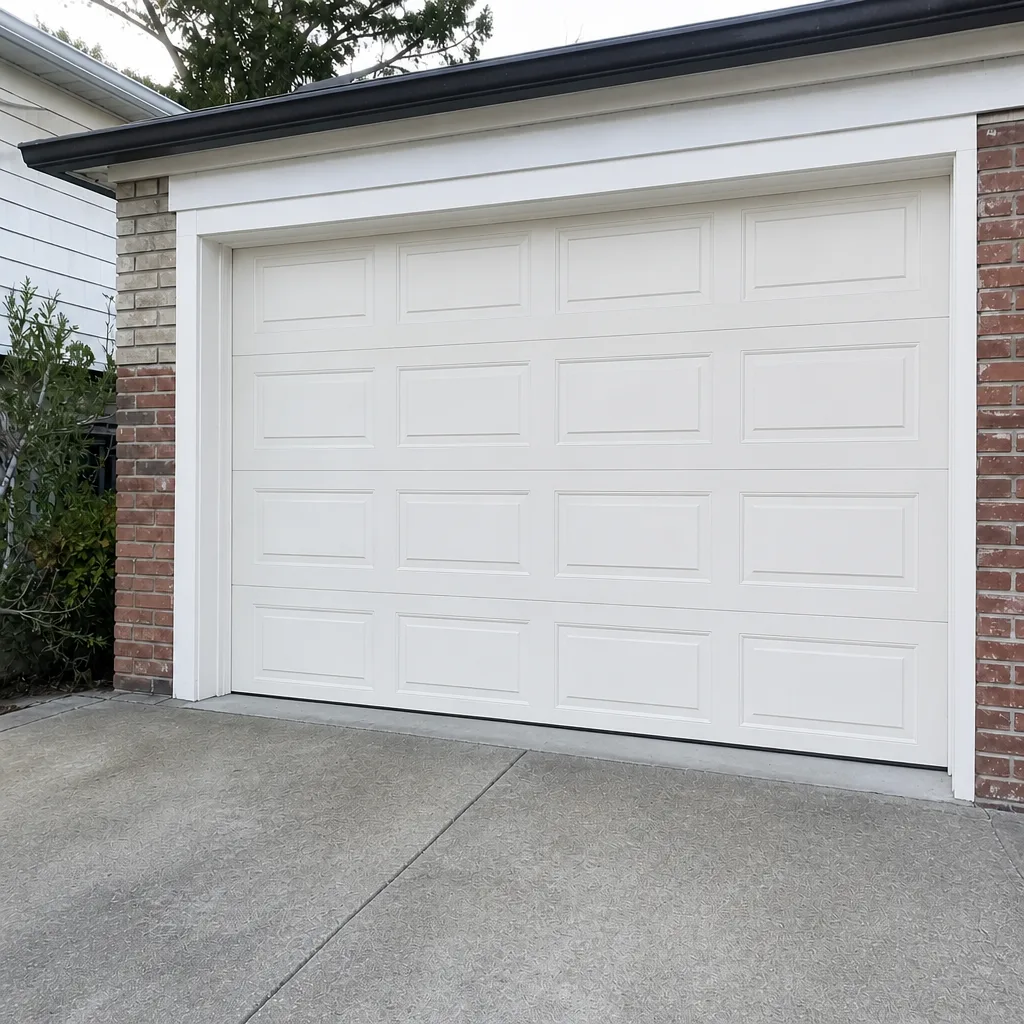 After
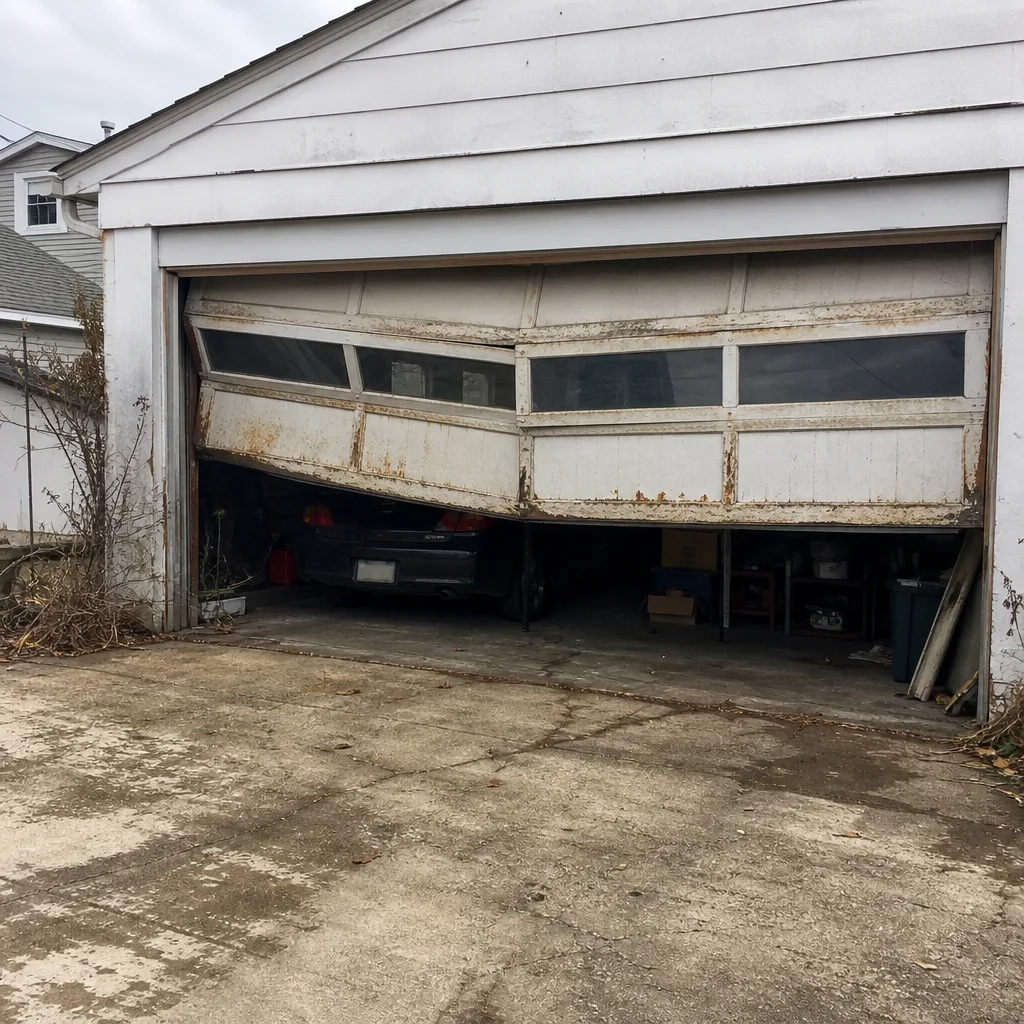 Before
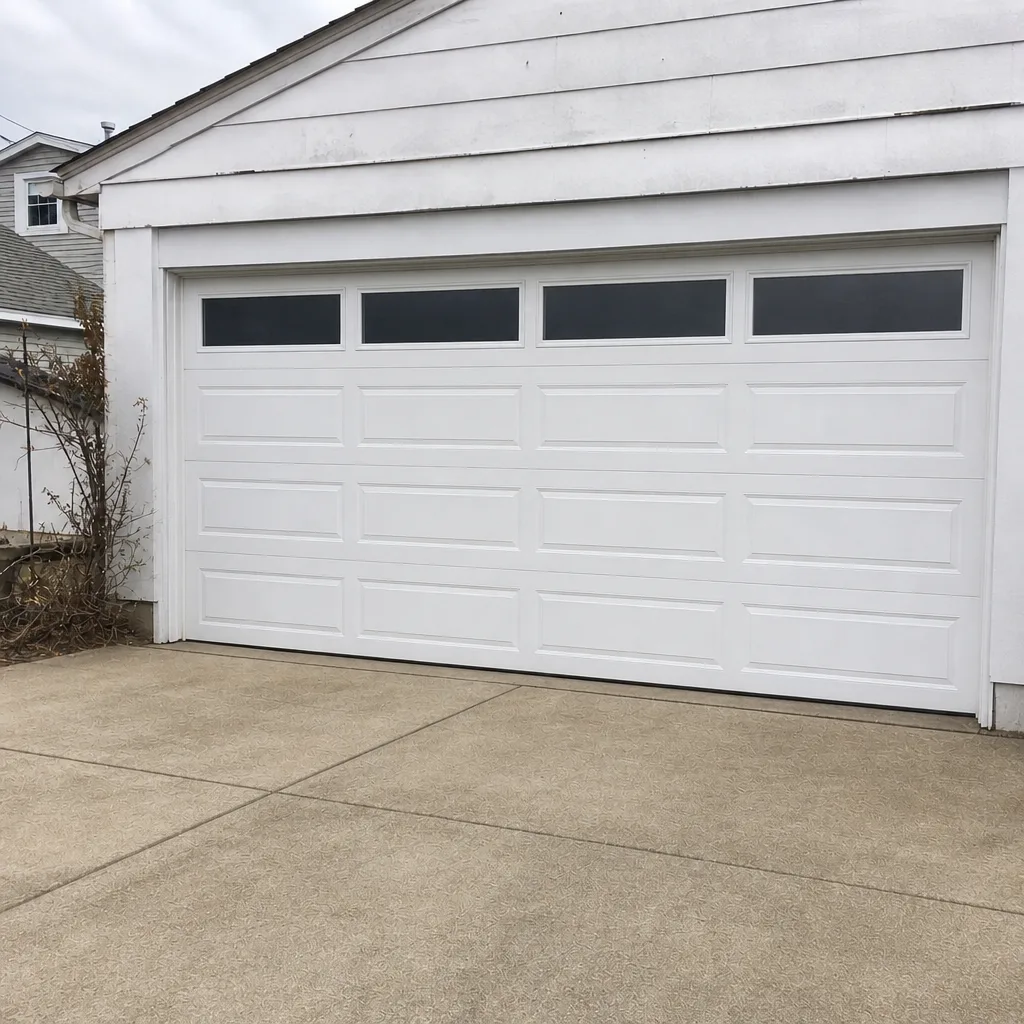 After
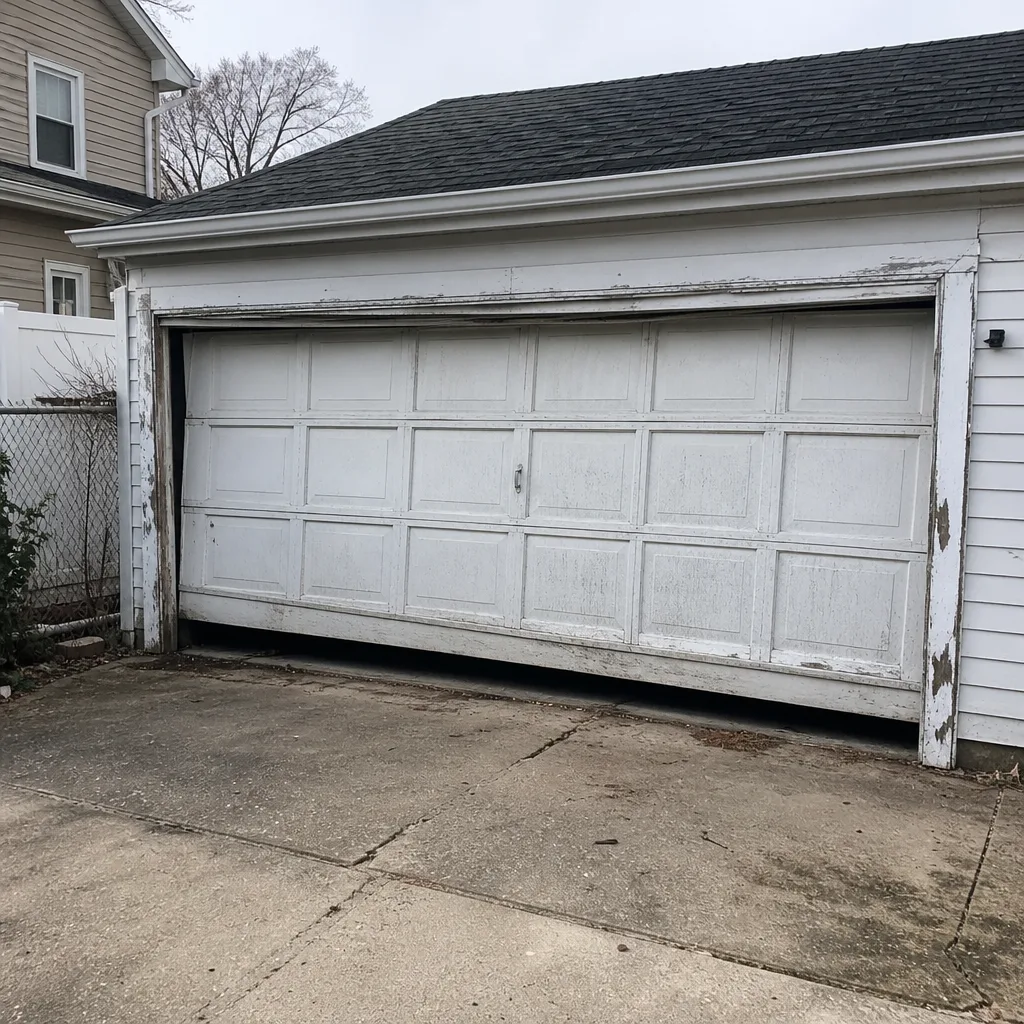 Before
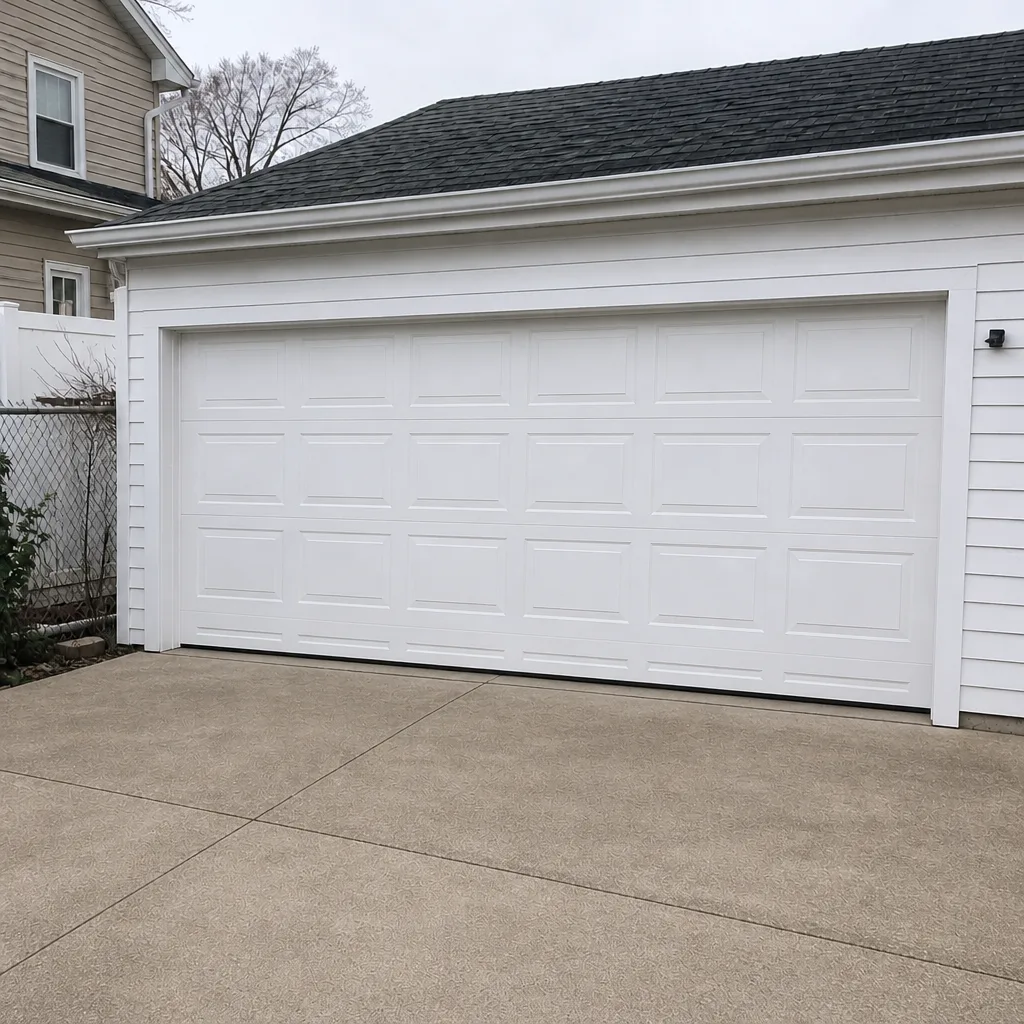 After
When to Call a Professional
Call a professional when the problem is outside the safe zone. That means a broken or stretched spring, a snapped cable, a door that’s off track, an opener that runs but won’t move the door or moves it erratically, or a door that drops or reverses unexpectedly. Call us before you run the opener again, because a strained motor adds cost to a job that’s already underway. We also get called when homeowners want a proper diagnosis instead of a guess, and when a door is old enough that repair versus replacement needs an honest read. Richmond Hill estimates are free. Call (833) 508-9368, we answer 24/7, and fast dispatch runs from 7am to 7pm, Sunday through Friday.
Frequently Asked Questions
Spring repair pricing depends on the spring type and door size, and it’s quoted per spring with a written estimate before any work starts. If both springs in a matched pair have seen equal wear, we’ll typically recommend replacing them together rather than one at a time. Call (833) 508-9368 for an exact quote, estimates are free.
Yes, in most cases. Fast dispatch runs from 7am to 7pm, Sunday through Friday, so an urgent call placed during those hours can usually be handled the same day. We answer 24/7, and a call outside dispatch hours is booked into the next opening. Call (833) 508-9368 and describe what the door is doing.
No. The written estimate is the price. If the technician finds an additional part that needs replacing, they’ll discuss it with you and get your approval before doing it. There are no surprise add-ons after the work begins. Call (833) 508-9368 for a free estimate.
The local professionals we connect you with are licensed and insured as their state requires. They’re trained to handle springs, cables, tracks, and openers with the proper tools, and they work on the brands already in your garage. Call (833) 508-9368 to book a visit.
We service LiftMaster, Chamberlain, Genie, Clopay, Amarr, Wayne Dalton, Craftsman, and Raynor, which covers most of the hardware installed in Richmond Hill row homes. Because we’re brand-familiar, diagnosis is more accurate and parts are easier to source. Call (833) 508-9368 to confirm your specific model.
Replacement is generally treated as construction work and may require a permit, whereas repairs like springs, rollers, or an opener usually don’t. The specific answer depends on your job, so call your local building department and confirm before you order a new door. For any repair, call (833) 508-9368 for a free estimate.
The Bottom Line
Your garage door is seven systems, not one product, and the failure of any single system looks bigger than it is. Springs fail most often and need a professional every time. Richmond Hill’s row-home architecture decides what door and opener will actually fit before anything else. The brands already in the neighborhood are well within reach for parts, and knowing the door decides repair or replace. Permits, not parts, are the trap most guides ignore. Start with a diagnosis, keep the springs off your own to-do list, and get a written estimate before work begins. If you want the diagnosis first, we’re here.
Ready for an honest look at your door? Call (833) 508-9368 for a free estimate. We answer 24/7. Fast dispatch from 7am to 7pm, Sunday through Friday. One call covers opener, panels, springs, and installation.
Written by the team at Garage Door Repair Richmond Hill.